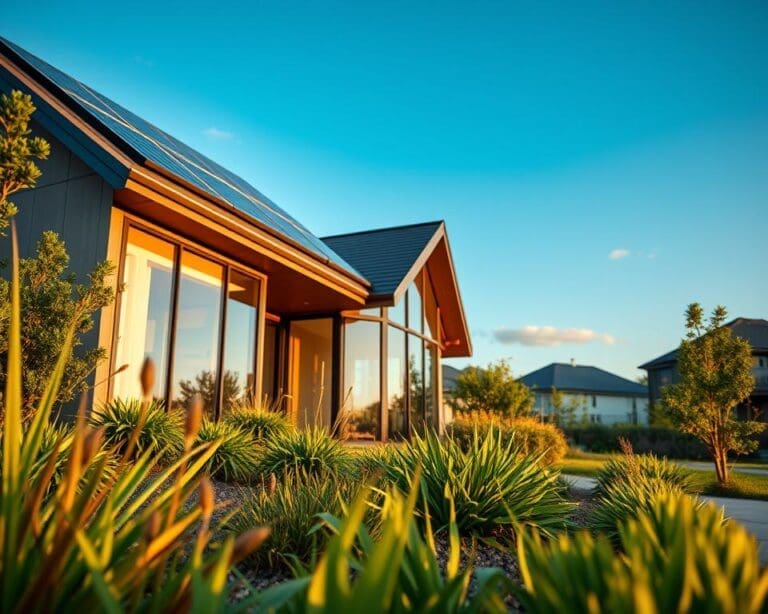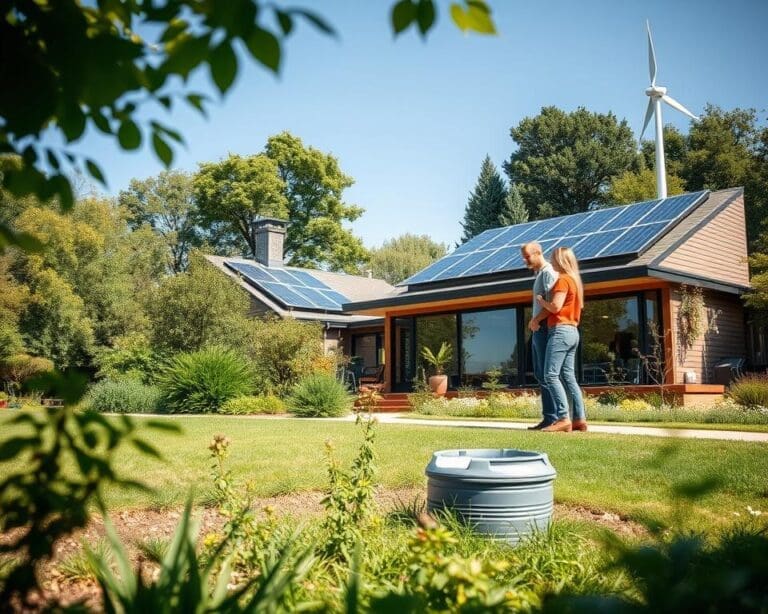
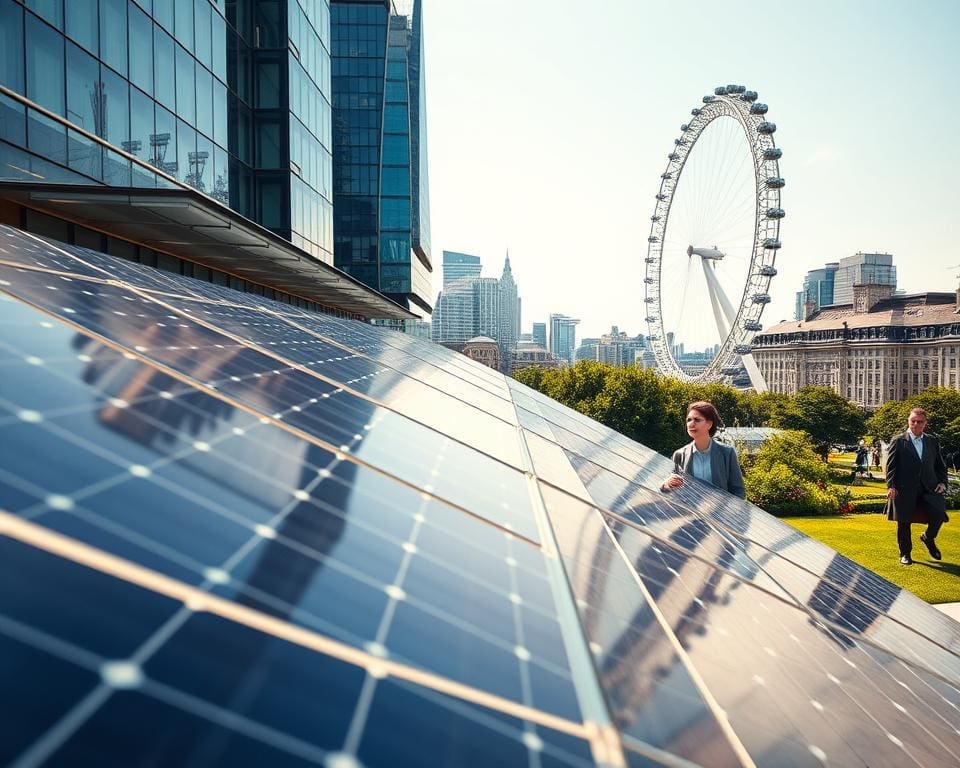
Householders and businesses across the capital are rethinking how they power homes and offices. Rising energy bills and more efficient technology mean solar panels in London UK now offer real savings alongside cleaner electricity.
The UK has seen a steady rise in rooftop photovoltaic capacity as module prices fall and panel performance improves. For London properties, rooftop arrays add distributed generation that helps local grid resilience and reduces dependence on fossil-fuel electricity.
Financially, residential solar panel systems can offset a large share of daytime consumption. Lower bills, the prospect of export payments under schemes such as the Smart Export Guarantee, and shorter payback periods turn solar into a practical long-term investment.
Beyond money, solar power systems for homes and businesses cut carbon emissions and support London’s climate goals. Installing panels is a tangible way to contribute to cleaner air and a more sustainable city.
Local specialists such as solarpanelslondonltd.co.uk understand London’s varied housing stock, planning constraints and conservation areas. Their tailored surveys and installation services make the transition to renewable energy solutions UK straightforward and dependable.
Choosing solar is an active step towards energy independence, lower bills and a greener future for Londoners. It is an attainable, positive move for both homeowners and companies looking to invest responsibly today.
Financial benefits of installing solar panels in London UK
Installing a domestic array in London can change household finances. Typical 3–4 kWp systems cover a large share of daytime demand, cutting the need to buy grid electricity. Households that use power while at home, such as those working remotely, see the biggest immediate reductions from residential solar panel systems.
Energy-efficient habits boost savings. Simple measures like LED lighting, improved loft insulation and efficient appliances increase the portion of home use served by solar, lifting the value of a solar panel installation for homes. Battery storage can shift midday generation to evening hours, shortening payback times.
Reduction in household energy bills with residential solar panel systems
Solar arrays reduce the amount of electricity bought from suppliers. A well-sited system in London can deliver clear monthly savings, depending on roof orientation and shading. Self-consumption rates matter. The higher the share of generation used on-site, the quicker bills fall.
Return on investment and payback periods for UK homes
Payback typically falls within a 6–12 year range for many UK installations under recent price trends. Warranties on panels often run to 25 years and inverters to around 10–12 years, so systems can produce decades of low-cost electricity after payback. Rising grid prices and higher self-consumption shorten the return window.
Available grants, incentives and the Smart Export Guarantee impact
Homeowners receive additional value through the Smart Export Guarantee when they export surplus generation. SEG payments are modest but give an extra revenue stream for exported electricity. Local council schemes, VAT reductions on qualifying energy-saving materials and low-interest finance can further improve project economics.
Check current offers from local programmes and energy suppliers. Accredited installers will advise on eligibility and any borough-specific incentives; this makes budgeting for solar installation London simpler and more accurate.
Comparing costs: solar panel installation for homes versus long-term savings
Upfront costs cover panels, inverter, mounting, labour and any scaffolding or planning fees. The cost of installing solar panels UK varies by property and system size. Over a 25-year horizon, avoided electricity purchases, potential SEG income and higher property appeal often outweigh initial outlay.
- Obtain several quotes to compare prices and guarantees.
- Verify installer accreditation such as MCS for quality assurance.
- Run simple payback and lifetime saving calculations before committing.
Environmental impact and sustainability of renewable energy solutions UK
Switching to renewable energy solutions UK shifts power generation away from fossil fuels. Solar power systems for businesses and homes produce electricity with no on-site greenhouse gas emissions. Each kilowatt hour from rooftop arrays displaces grid-supplied electricity and delivers measurable CO2 savings.
Businesses that install commercial solar energy solutions cut Scope 2 emissions tied to purchased electricity. That helps meet corporate net-zero pledges and shows customers a tangible commitment to sustainability. Large employers in London can use smart controls and storage to flatten demand peaks.
Uptake across the city supports London’s clean air and climate goals. Widespread deployment of solar panels London UK reduces reliance on fossil-fuel generation and eases local pollution. Coupled with heat pumps and electric vehicles, solar contributes to cleaner streets and healthier communities.
Distributed generation improves local resilience. When neighbourhoods host solar arrays, transmission constraints ease and emergency response to supply disruptions strengthens. Municipal planners view energy efficient solar solutions as a practical step toward a secure, low-carbon grid.
Modern photovoltaic panels have long operational lives, commonly 25–30 years, with performance guarantees that protect output. End-of-life recycling is growing in the UK and EU. Certified recyclers recover aluminium, glass and semiconductor materials, lowering the overall environmental footprint.
Choosing high-quality equipment and reputable installers reduces premature replacements. Responsible manufacturers and suppliers provide guidance on take-back schemes and WEEE compliance. That makes solar power systems for businesses and households a more sustainable choice over the full lifecycle.
Practical considerations for solar installation London
Deciding on a solar installation London project needs careful thought. Start with a clear survey of the property so you know what is possible and what will deliver the best return.
Assessing roof suitability, orientation and shading in London properties
Roof material, pitch and structural condition shape any plan for panels. South-facing roofs give the highest annual yield, yet east and west arrays still perform well for many homes.
Urban shading from neighbouring buildings, trees or chimneys will reduce output. Professional site surveys use tools such as drone imaging and shading analysis to produce reliable estimates for energy yield.
Properties in conservation areas or listed buildings often need specific consent. Local specialists understand these rules and can propose alternatives like ground-mounted arrays or low-profile panels.
Choosing the right system size: residential and commercial solar energy solutions
System sizing balances available roof area, budget and future electricity needs. Typical domestic systems range from about 1.5 kWp to 6 kWp, while commercial setups can be much larger.
Businesses should commission an energy audit to match output to demand and peak loads. That step improves self-use and shortens payback times.
Think ahead to EV chargers or heat pumps when planning capacity. Allowing margin for future growth avoids costly upgrades later.
Installation timelines, permits and working with local solar services on solarpanelslondonltd.co.uk
Expect an initial enquiry and survey within days to two weeks. Design, permissions and installation follow, with typical domestic installs completed in one to three days.
Most domestic jobs do not require planning permission unless restrictions apply. Building control notification and electrical compliance checks remain essential.
Working with a London-based installer such as solarpanelslondonltd.co.uk speeds navigation of local authority procedures and practical needs like access and scaffolding.
Energy storage options and optimising self-consumption
Battery storage, most commonly lithium-ion, stores surplus daytime generation for evening use. That increases self-reliance and lowers grid imports.
Compare round-trip efficiency, usable capacity and warranty details when selecting a battery. Integration with smart inverters and energy management systems boosts performance.
Other ways to increase value include time-of-use tariffs, smart controls, EV vehicle-to-home capabilities and load-shifting devices. These strategies help with optimising self-consumption and maximise both savings and carbon benefits.
Maintenance, reliability and choosing a trusted provider
Solar PV systems are largely low-maintenance, yet periodic checks keep performance high. Annual visual inspections, inverter performance monitoring and cleaning where soot or bird droppings build up are simple steps that prevent energy loss. In London’s urban environment, routine solar panel maintenance and repair ensures panels keep producing and helps spot roof-fastening or ventilation issues early.
Inverters are the commonest point of failure, so select high-quality brands with robust support and warranty terms. Remote monitoring platforms catch faults fast and show energy yield trends, improving the reliability of solar panels. For larger projects, commercial solar energy solutions benefit from service-level agreements that guarantee response times and minimise downtime.
Choose a trusted solar provider by checking Microgeneration Certification Scheme (MCS) credentials, manufacturer-approved installer status and memberships such as the Renewable Energy Consumer Code. Ask for itemised quotes that name panel make and model, inverter type, mounting system, and clear solar panel warranties. Local companies and solar services on solarpanelslondonltd.co.uk can offer quicker on-site support and better knowledge of London planning nuances.
Aftercare matters: look for installers who supply commissioning documents, handover packs and prompt repair teams. Confirm warranty transferability for resale and keep documentation safe. Well-maintained systems with transparent warranties and reliable aftercare deliver long-term value and sustained carbon reductions for homes and businesses alike.