
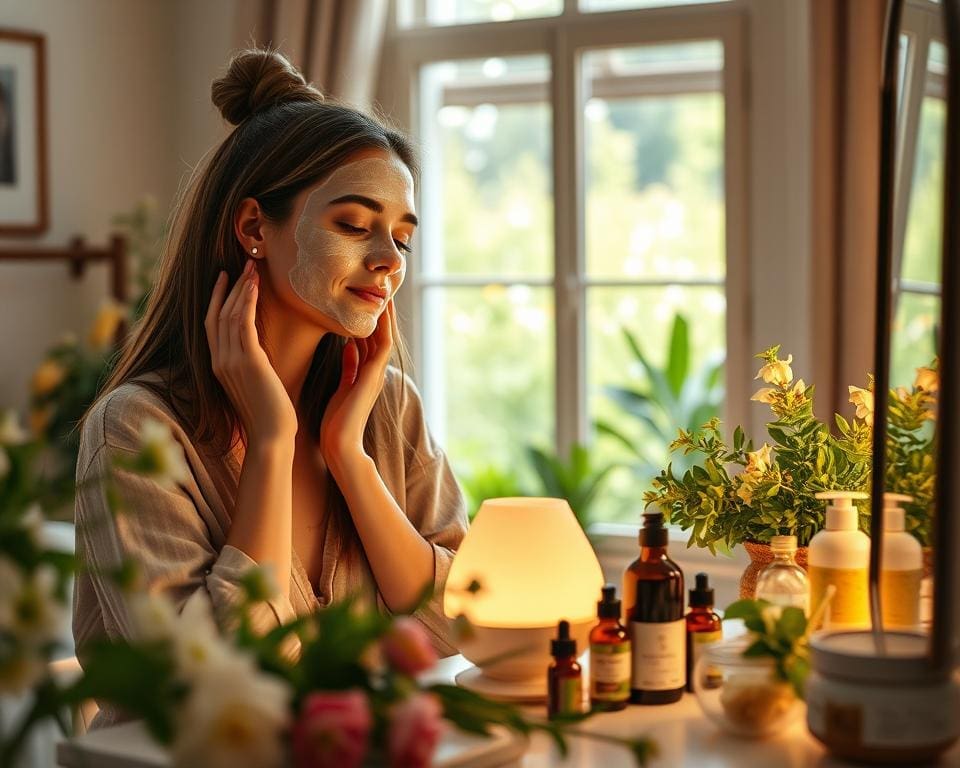
Natural beauty routines gaining popularity reflect a shift towards plant-based, minimally processed skincare that uses fewer synthetic chemicals and simpler step counts. Market research from Mintel and Kantar shows steady year-on-year growth in clean formulations and sustainably packaged products, which helps explain the rise of natural skincare on British high streets and online.
The clean beauty movement also ties to health. Guidance from the British Association of Dermatologists and comments from skin experts have led many people to try gentler choices for sensitive skin. That medical reassurance strengthens interest in natural beauty trends UK and highlights practical natural beauty routines benefits.
Environmental concerns are a strong driver too. Reports by WWF and UK recycling bodies link consumer choices to broader eco-conscious lifestyles, pushing shoppers towards brands that promise ethical sourcing and lower waste. Familiar names such as Neal’s Yard Remedies and Lush, alongside mainstream stockists like Boots and Waitrose, have normalised these options and fuel the rise of natural skincare nationwide.
This article will explore the cultural, health and practical reasons behind that rise, how transparency and ethics shape consumer choices, and how brands are responding. For a quick overview of current routines and expert tips, see this practical guide on routine trends at recommended skincare routines.
Why are natural beauty routines gaining popularity?
People are shifting how they think about skin care. Skincare is no longer separate from daily health. Many now treat products as part of a wider focus on nutrition, sleep and mental rest. This change reflects growing consumer values natural beauty and a desire for gentle, nourishing options that support long-term skin function.
Shifting consumer values towards health and wellbeing
Wellness culture has reshaped buying habits. Shoppers read labels, favour non-toxic blends and seek brands that promise calm, balanced results. Brands such as Pai Skincare and REN Clean Skincare have foregrounded clinical testing and sensitivity-friendly formulas to meet this need for wellbeing and skincare.
People want clarity on what they apply. Demand for full ingredient lists and ethical sourcing rises as buyers link topical care with overall health. This trend drives product pages to be more transparent and educational.
Environmental concerns and sustainable living
Environmental anxiety is a major motivator. Waste, plastic and biodiversity loss prompt shoppers to pick refill schemes, recyclable materials and biodegradable formulations. The Body Shop’s community trade and refill moves show how legacy brands respond to greener expectations.
In the UK, attention to policy and NGO reports pushes companies to disclose supply chains and sourcing practices. This climate of scrutiny boosts interest in sustainable skincare UK and brands that can prove responsible stewardship.
Influence of social media and community trends
Social platforms accelerate change. Viral routines, ingredient explainers and honest reviews make natural choices feel both attainable and aspirational. Micro-influencers on TikTok and creators on Instagram demystify routines and showcase real results.
Online forums and groups strengthen trust. Forums such as specialist Reddit threads and parent communities recommend products and share results, building a natural beauty community that supports newcomers and rewards transparent brands.
Health benefits and ingredient transparency attracting users
The shift to cleaner beauty is rooted in clear gains for skin and health. People notice plant-based skincare benefits such as gentler hydration and natural antioxidant protection. Brands that explain why an oil or extract is included build trust through ingredient transparency.
Understanding common natural ingredients and their benefits
Many botanical actives have clinical support for specific uses. Chamomile and calendula show anti-inflammatory effects that calm redness. Rosehip oil supplies vitamin A and essential fatty acids that help skin renewal. Green tea and aloe vera bring antioxidant and soothing properties that suit reactive skin.
Brands like Pai Skincare and Trilogy make their formulations and studies easy to find, so consumers can weigh claims against evidence. Readers who want a practical guide can follow shopping lists and product notes found at sustainable beauty product round-ups.
Reduced risk of irritation and long-term health concerns
Simpler, plant-forward routines often lead to reduced irritation skincare outcomes for those with sensitive complexions. Clinical dermatology links fewer synthetic fragrances and harsh surfactants with lower rates of contact dermatitis in prone individuals.
Consumers should know natural does not guarantee zero risk. Essential oils and some botanicals can sensitize skin. Patch testing and dermatology advice remain important when reactions persist or when treating chronic conditions.
Public concern about endocrine-disrupting chemicals and long-term exposure to certain synthetics has pushed demand for products free from parabens, phthalates and selected sulfates.
Demand for full ingredient lists and ethical sourcing
Shoppers expect full INCI lists and origin details. Certifications such as COSMOS and the Soil Association Organic provide reassurance about formulation and traceability. Brands that publish sourcing stories and fair trade data answer calls for ingredient transparency.
Ethical sourcing beauty matters to many buyers. Neal’s Yard Remedies, The Body Shop and Lush provide examples of supply-chain narratives and community trade programmes that influence purchase decisions.
- Practical tip: Look for clear labels, third-party certifications and published provenance to judge claims.
- Science note: Efficacy depends on concentration and formulation, so evidence-backed products tend to perform better.
Practical simplicity and affordability driving routine adoption
Minimalist approaches make natural beauty easier to start and stick with. People in the UK are drawn to routines that save time and reduce waste. A pared-back set of essentials can keep skin healthy and lower the chance of irritation.
Minimal routines and multi-function items
Multi-purpose beauty products cut steps without losing results. Facial oils such as rosehip or jojoba can cleanse, hydrate and soothe in one go. Balms that remove makeup and act as night moisturisers add value and simplicity.
Estheticians often advise a minimal line-up to protect the skin microbiome and maintain barrier function. Tinted mineral sunscreens with skincare benefits give protection and glow while reducing product stacking.
DIY skincare culture and accessibility
Simple DIY mixes help people experiment with affordable natural beauty at home. Ingredients like honey, oats and yoghurt are common, low-cost and familiar to many households. Community workshops, local apothecaries and online tutorials build confidence for safe DIY practice.
Authoritative bodies such as the NHS and dermatologist guidance warn against using potent actives without care. Safe storage, hygiene and measured formulations matter to avoid contamination when making at home.
Cost considerations and long-term value
Long-term value skincare often outweighs an initial premium. Concentrated formulas need less product per use, refill schemes cut packaging costs and refillable lines reduce waste over time. Budget ranges from Boots and Sainsbury’s give accessible entry points.
Focus on core items — cleanser, moisturiser, sunscreen — and invest in quality actives for better return on investment. Choosing the right core pieces helps shoppers balance upfront spend with lasting benefits, making affordable natural beauty practical for many.
For routine inspiration and small daily rituals that support wellbeing, see this guide on self-care routines from Supervivo: self-care rituals and routines.
Market shifts and how brands are responding in the UK
The UK beauty market natural segment is expanding as shoppers ask for more than scent and texture. Mintel and Kantar data show growth in natural-labelled categories and rising shelf space in high-street stores. Consumers now expect social responsibility, circular packaging and clear ingredient claims, so retailers adjust ranges and point-of-sale messaging to meet that demand.
Major names such as The Body Shop and Neal’s Yard Remedies keep leading with ethical sourcing and community programmes, while Boots and Superdrug increase their clean beauty market UK offerings. These mainstream retailers work with brands to introduce refill stations and sustainable packing, reflecting a clear retail response natural skincare trend across the country.
Luxury and indie labels including REN, Pai and Dr. Barbara Sturm combine natural positioning with clinical evidence to win sceptical shoppers who want both purity and performance. Certification from bodies like the Soil Association and COSMOS is more common, helping products stand out and giving shoppers traceable assurance in the sustainable beauty UK movement.
Looking ahead, expect further convergence of transparency, sustainability and efficacy. Hybrid formulations that blend naturally derived actives with validated technologies will rise, and more retailers will adopt circular-economy practices. This evolution shows how brands responding natural beauty are reshaping the clean beauty market UK and the retail response natural skincare landscape for the long term.