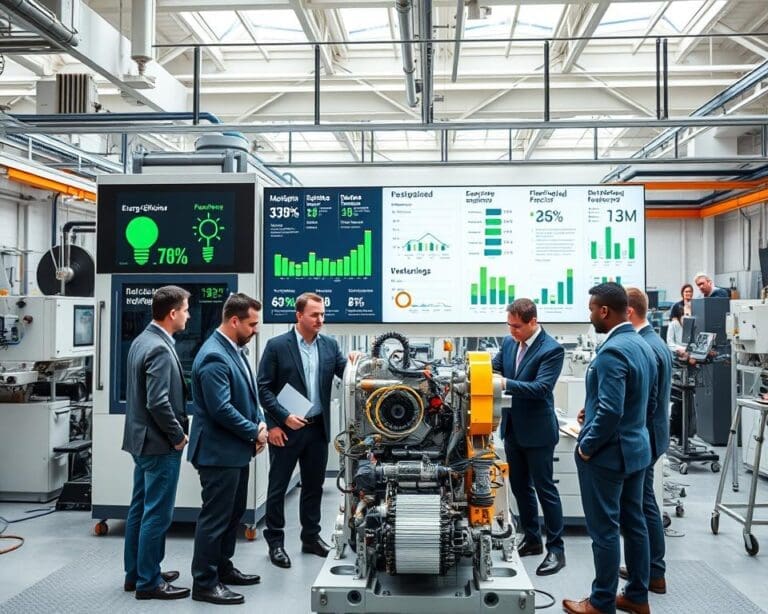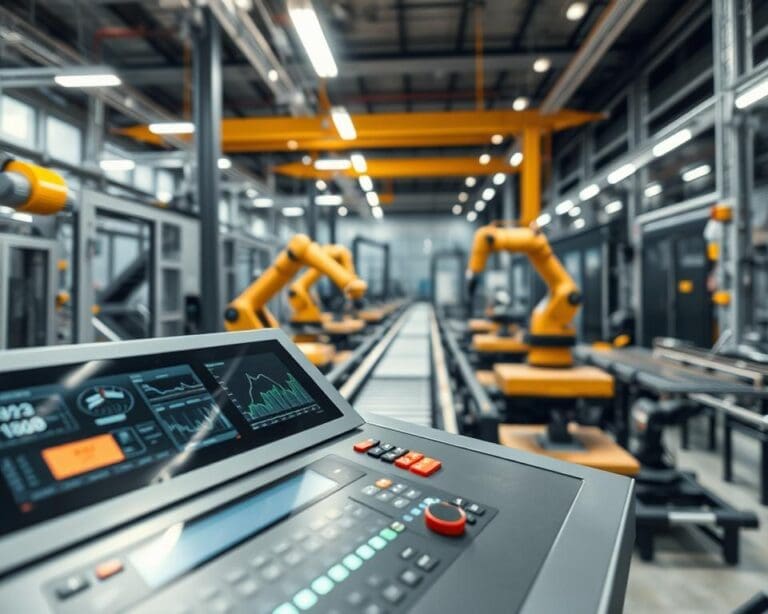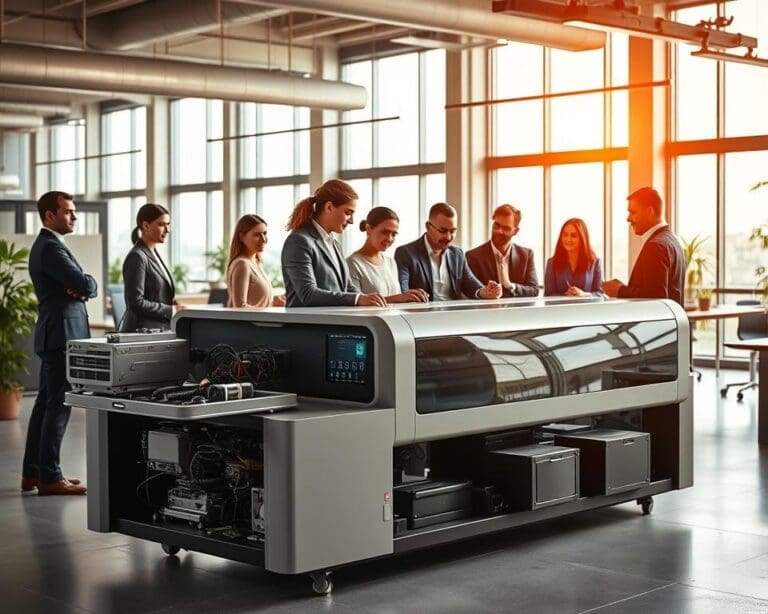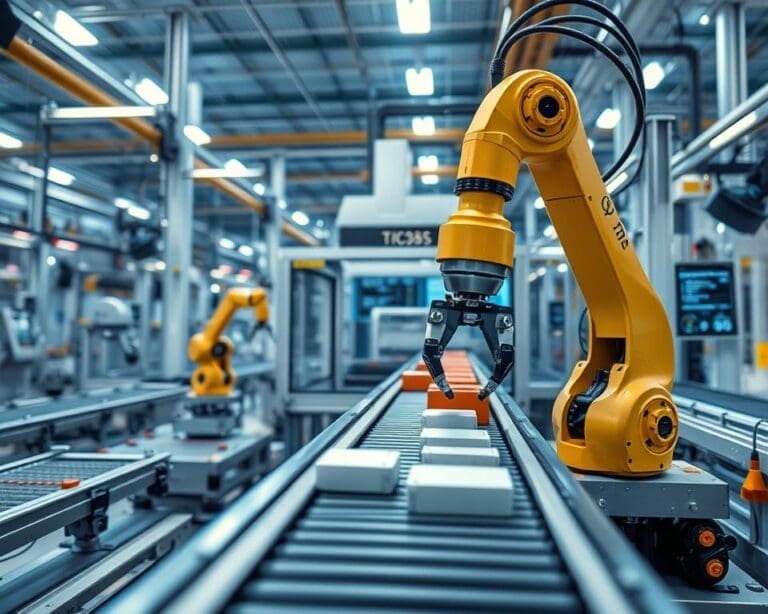
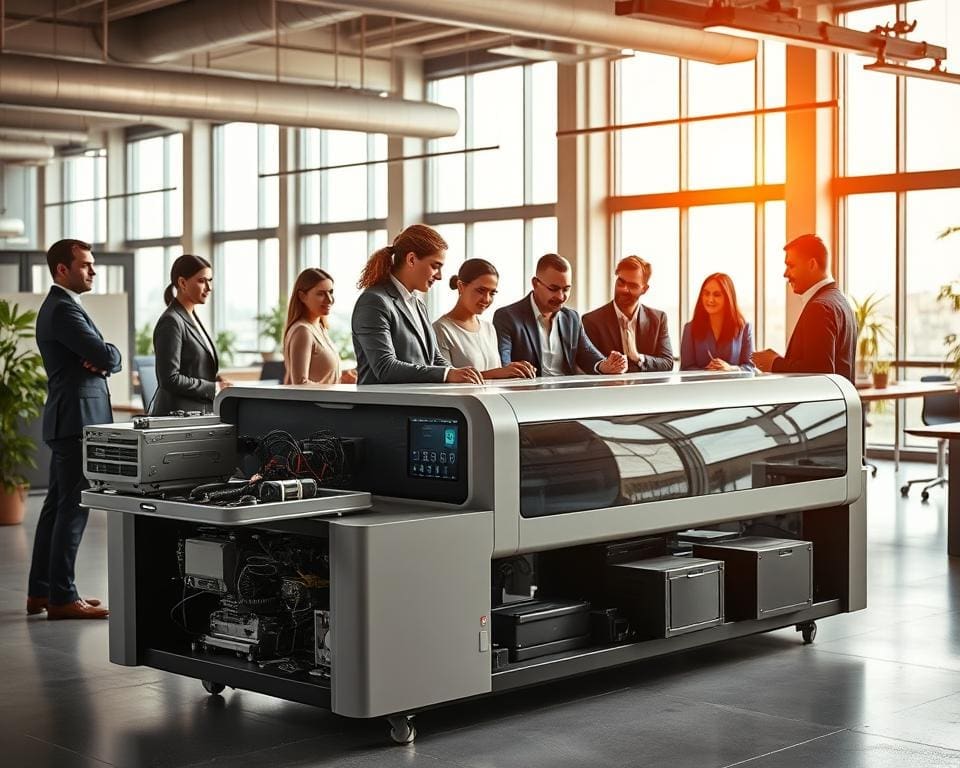
Modular machines are systems built from discrete, interchangeable units that can be combined, reconfigured or upgraded without replacing the entire machine. Unlike monolithic designs, these plug-and-play modules handle tasks such as feeding, processing, inspection, packaging and conveying. This modular approach underpins modular production systems and explains much of the current modular machines popularity.
Industry reports from Make UK and the Institution of Mechanical Engineers describe modular machinery benefits as a structural shift. Firms in the UK can adopt asset-light strategies that cut lead times and enable smaller batch production. Case studies from Bosch Rexroth, Festo and Rockwell Automation show how modular conveyor units and standardised robot cells can be reconfigured in days rather than months.
Consultancies such as McKinsey and Deloitte link modular equipment adoption to real business pressures: demand volatility, product customisation and labour constraints. For UK manufacturers, modular manufacturing UK offers faster time-to-market, protected capital investment and greater resilience in supply chains. The result is a practical path to agility, sustainability and competitive advantage.
Why are modular machines becoming more popular?
Manufacturers in the UK are choosing modular approaches for clear practical reasons. These systems let teams adapt production quickly, lower costs and scale without heavy disruption. The following points show how design and deployment shifts are reshaping factory floors and product strategies.
Flexibility in design and deployment
Modular design allows engineers to assemble bespoke lines from standard modules. This cuts bespoke engineering time and simplifies integration across control platforms such as Siemens and Schneider Electric.
On the factory floor, rapid reconfiguration supports pop-up production sites and seasonal peaks. Teams can move cells into lean, cellular layouts to rebalance capacity with minimal disruption and faster changeovers.
Cost savings and better capital utilisation
Companies can buy core modules first and expand later, which reduces upfront spend. Financial analyses often show lower total cost of ownership when upgrades are incremental rather than replacing whole systems.
Shorter installation times, lower custom engineering bills and reduced downtime during changeovers improve capital utilisation modular equipment. Vendors such as ABB and KUKA publish case studies that back shorter payback periods for modular robotic cells.
Scalability for growing operations
Scalable modular systems let firms add capacity stepwise. Manufacturers scale horizontally with parallel modules or vertically by adding capabilities without major one-off investments.
Pharmaceutical and electronics lines provide examples where cleanroom-friendly modules enable phased growth while keeping regulatory compliance in place.
Faster innovation cycles and customisation
Modular platforms speed up iteration because teams can test new modules in isolation before full-line rollout. This reduces development cycles and supports A/B testing of process changes.
Modular customisation means inspection, labelling or variant-handling modules can be swapped to produce multiple SKUs on the same base line. The approach suits UK markets that demand quick product refreshes and varied consumer options.
Operational and technical advantages driving adoption
Modular approaches are shifting how factories work. Small, focused gains add up to big improvements in uptime, integration and automation. These changes help teams move faster while keeping quality high.
Improved maintenance and reduced downtime
Modular design makes fault isolation straightforward. When a module fails it can be swapped without halting the whole line, cutting mean-time-to-repair and boosting overall equipment effectiveness.
Manufacturers such as Heidenhain and Beckhoff supply hot-swap options and spare-module strategies that support scheduled work and rapid repairs. Predictive sensors at module level further limit unexpected stoppages.
Real-world reports show measurable savings in maintenance labour and less production lost to stoppages, reinforcing the case for maintenance modular machines and reduced downtime modular equipment.
Standardisation and interoperability
Standardised modules reduce custom engineering during installation. Common mechanical mounts, power connectors and protocols like industrial Ethernet and OPC UA let parts from different suppliers fit together.
Industry consortia push shared data models that ease integration and cut vendor lock-in. Plants gain flexibility in sourcing and lower long-term integration cost thanks to interoperability modular systems.
Enhanced automation and Industry 4.0 readiness
Each module can carry sensors, controllers and networked telemetry, making digitalisation more direct. That modular telemetry feeds MES and IIoT platforms for real-time monitoring and analytics.
Vendors such as Rockwell Automation and Siemens provide ecosystems designed for modular deployment, smoothing integration with cloud analytics and control systems. The result is faster commissioning of autonomous cells and simpler robot integration under Industry 4.0 modular automation.
Traceability and closed-loop control improve quality and compliance, while modular layouts enable staged upgrades without wholesale rebuilds. These technical advantages speed adoption among UK manufacturers seeking modern, resilient lines.
Market trends, sustainability and business drivers in the UK
The UK modular machinery market is growing as food and beverage, pharmaceuticals, automotive suppliers and electronics firms seek greater flexibility and resilience. Post-Brexit trade changes and COVID-19 supply shocks pushed manufacturers to favour modular solutions that can be retrofitted into ageing plants. Reports from Make UK and ONS show demand rising for local system integrators and specialist SMEs that provide tailored, regional systems rather than full-site rebuilds.
Sustainable modular manufacturing is increasingly seen as a practical route to meet net-zero targets and corporate ESG goals. Upgrading or replacing modules rather than entire machines cuts material waste and embodied carbon, supporting circular economy modular equipment strategies. Suppliers such as Johnson Controls and Danfoss highlight energy-efficient modules and modular HVAC or motor systems that reduce operating emissions and lower lifetime costs.
Business drivers modular adoption UK also reflect policy and finance signals. Government incentives manufacturing, including Innovate UK funding, regional growth funds and tax allowances, improve the investment case for smaller firms. Simplified operation and standardised modules help address skilled-labour shortages by easing training and maintenance, so teams can be more productive and adaptable.
Adopting modular approaches delivers competitive advantage through faster new-product introductions, closer-to-market production and stronger supply-chain resilience. Evidence from sector reports, supplier case studies and government publications converges on one point: modular equipment offers UK businesses an adaptable, lower-risk route to modernisation and long-term competitiveness.