
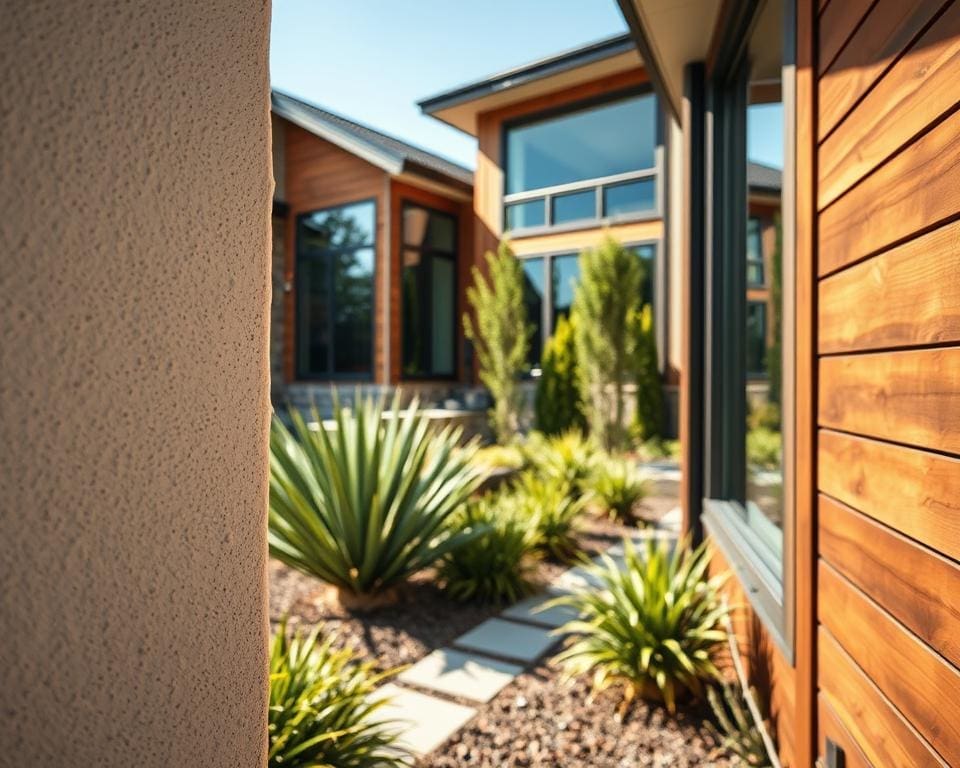
Durable exterior finishes are the protective layers applied to a home’s outside that resist moisture, UV, frost, abrasion and biological growth such as mould and algae. They include weatherproof home finishes, long-lasting cladding and specialist coatings designed to keep water out, limit thermal bridging and preserve structural fabric over many years.
In the United Kingdom, changing weather accelerates wear. Frequent rain, strong winds, coastal salt spray and freeze–thaw cycles all stress façades, while seasonal UV exposure fades and weakens surface films. Building science and standards such as BS EN guidance and NHBC practice make clear that the right finish reduces moisture ingress and supports thermal performance when used with appropriate insulation or render.
For homeowners, the practical benefits are simple: fewer repairs, longer intervals between repainting or replacement, and improved comfort through better thermal stability. An exterior finish investment can also reduce life‑cycle costs when compared with short‑term repairs, especially where products from recognised manufacturers like AkzoNobel, Dulux and Sto are specified and installed to their recommendations.
Beyond protection, this is an opportunity to improve kerb appeal UK and express pride in ownership. The right choice creates a lasting, attractive façade that safeguards family comfort and adds market value. The article will next examine protective benefits, cost implications and return on investment, review finish types, help you choose for UK conditions, and cover installation, maintenance and warranty considerations.
Why are durable exterior finishes worth investing in?
Choosing robust exterior finishes pays off in comfort, resilience and long-term savings. A well-specified finish acts as a protective skin for your home. It guards timber, brick and blockwork from water ingress, freeze–thaw damage and the slow decay that follows persistent damp.
Protecting your home from the UK climate
Durable finishes create a sacrificial or protective layer that stops water penetration and reduces the risk of damp and rot. That layer limits freeze–thaw damage to substrates such as brick, blockwork or timber cladding. Using marine-grade coatings and stainless-steel fixings helps at the coast where salt-induced corrosion is a real threat.
Urban locations benefit from soot- and grime-resistant coatings that cut cleaning frequency. Following British Standards and guidance like BS EN 998, BS 8417 and NHBC advice ensures materials perform as expected. Keeping moisture out improves indoor air quality and reduces mould-related allergic reactions for householders.
Long-term cost savings and return on investment
Premium coatings, engineered masonry or composite cladding cost more up front. Over a lifecycle they often prove cheaper than repeated patches and repairs. High-performance systems can extend major maintenance intervals from 5–10 years to 15–30+ years, lowering the lifecycle cost finishes demand over time.
Insulated render systems and ventilated rainscreens can cut heating bills by improving thermal performance. Insurers and buyers favour well-maintained exteriors, which can reduce weather-related claims and boost buyer confidence. Documented upgrades deliver measurable ROI exterior upgrades when you come to sell.
Enhancing kerb appeal and property value
First impressions shape market interest. Contemporary materials such as composite cladding, high-quality render or natural stone provide a clear kerb appeal increase. Rendered façades with crisp lines, fibre-cement panels for modern revamps and engineered stone for traditional homes are all popular choices across the UK.
For listed buildings and conservation areas, specialists often choose lime renders or sympathetic masonry repairs to balance authenticity with longevity. Thoughtful, durable finishes support property value improvement by making a home easier to insure, sell and enjoy for years to come.
Types of durable exterior finishes and their benefits
Choosing the right exterior finish shapes how a building resists weather, looks and performs over decades. This section outlines the main options architects and homeowners favour in the UK, with practical benefits and technical notes to guide specification and maintenance.
Weather-resistant paints and coatings
High-performance masonry paints such as silicone, microporous silicate and elastomeric coatings repel driving rain while allowing vapour to escape. These finishes reduce the risk of trapped moisture and salt migration. Products like Dulux Weathershield and Johnstone’s XT offer long-lasting colour retention and mildew-resistant formulations that help facades stay cleaner for longer.
A flexible coating system will bridge hairline cracks and reduce the need for frequent touch-ups. Manufacturer performance data and warranties clarify expected service life and set realistic maintenance intervals for homeowners and contractors.
Render and acrylic systems for longevity
Renders range from cementitious and lime to modern acrylic systems. Lime render suits historic buildings because it is breathable and tolerant of movement. Acrylic render systems provide stain resistance, flexibility and a wide choice of textures and colours for contemporary schemes.
External wall insulation with an insulated render finish creates a seamless protective layer that improves thermal performance and impact resistance. Specify BS EN 998-1 for cementitious products, use correct substrate preparation, and appoint accredited installers registered with TrustMark or FENSA to secure long-term performance.
Composite cladding and fibre-cement boards
Composite options include high-pressure laminates (HPL) and aluminium composite panels. Fibre-cement boards from brands such as Equitone and Cedral provide rot-proof, low-maintenance façades with excellent dimensional stability. These materials suit ventilated rainscreen systems that shed water and allow drainage behind the outer skin.
Key advantages include lightweight installation and suitability for a cavity that improves ventilation and insulation. Fire classification should be checked against BS 476 and EN 13501, especially for multi-storey or high-occupancy buildings, to ensure safe, compliant systems.
Stone, brick and engineered masonry options
Natural stone cladding, reconstituted stone and brick slips give a timeless, low-maintenance finish. Engineered stone façades and brick slips deliver consistent appearance with reduced quarrying impact. These materials offer exceptional longevity and resist weathering when detailed correctly.
Good installation practice includes correctly detailed cavities, stainless steel fixings and breathable mortar to ensure compatibility with the substrate. Structural loading and building control requirements must be satisfied to protect the façade and the building’s fabric over its life.
How to choose the right durable finish for your property
Choosing the right finish starts with simple observation and a clear plan. Think about your street, the direction your house faces and nearby features that affect wear. That practical view guides which options will last and look right.
Assessing local climate and exposure
Note prevailing winds, rainfall and whether your home is near the coast. Houses by the sea need marine-grade or corrosion-resistant systems. South-facing elevations benefit from UV-stable pigments to avoid fading. Trees and heavy shading raise the risk of sap stains and damp; choose anti-fungal coatings where moisture lingers.
Maintenance requirements and lifecycle expectations
Different materials ask for different care. Composite panels need periodic washing. High-performance paints usually require a repaint or recoat every 10–20 years. Stone and brick demand re-pointing or sealing at intervals measured in decades.
Inspect access for maintenance early. Clean gutters, check scour marks and plan safe ways to reach high areas. Gentle pressure washing, soft brushes and manufacturer-approved cleaners keep surfaces sound. Small repairs now stop bigger problems later.
Follow manufacturer maintenance guides and consider accredited service programmes to keep warranties valid and extend the maintenance lifecycle finishes offer.
Matching style and architectural character
Match new materials to your building’s era. Lime-based renders, reclaimed brick slips or natural stone suit period homes and conservation areas. Contemporary houses work well with sleek composite panels or simple monochrome renders.
Check planning consent rules and conservation area requirements before choosing cladding. A pre-application meeting with the local planning authority or a chat with the conservation officer reduces delays and helps ensure your architectural match cladding is accepted.
Budgeting and calculating lifetime costs
Compare options using a straightforward formula: up-front cost + scheduled maintenance costs + expected replacement or major upgrade cost, all divided by the expected lifespan. This lifetime cost calculation transforms raw quotes into annualised figures for fair comparison.
Get multiple quotes, verify installer credentials and compare warranties. Factor in energy savings and potential uplift to property value when estimating the cost of durable finishes. Allow a contingency budget for unexpected repairs. Spending on quality materials and accredited installation often reduces long-term expense and protects your investment.
Installation, maintenance and warranty considerations
Correct exterior finish installation UK begins with accredited installers TrustMark or manufacturer-approved contractors. Choose teams experienced with BBA-certified systems and familiar with building regulations compliance. Proper substrate preparation, damp-proof courses, ventilation cavities and stainless steel fixings for heavy cladding are non-negotiable. Insulated systems need correct layering and sealed flashings around openings to avoid moisture entrapment and to keep the fire strategy intact.
Building control involvement is essential for rainscreen systems, added cladding or any work that affects structure or fire performance. Request written confirmation of warranties cladding systems and evidence of installer qualifications before work starts. Keep manufacturer datasheets and installer contact details safe; these simplify future servicing and any warranty claims.
Follow straightforward maintenance schedules finishes: inspect twice yearly after autumn and spring, clear gutters and drainage, check seals and mortar joints, and treat algae or mould with approved products. Address hairline cracks promptly. Log each inspection and repair to build a clear maintenance history that supports insurance-backed guarantees and workmanship warranties.
Call a specialist when you spot persistent damp, cracking beyond hairline, disbonding panels or signs of structural movement. Typical warranty structures include material guarantees of 10–30 years and separate workmanship cover; note common exclusions such as poor maintenance, unauthorised alterations or extreme events. With skilled installation, proactive care and clear warranties cladding systems in place, an exterior finish becomes a long-term asset that protects the home and enhances value across the UK market.