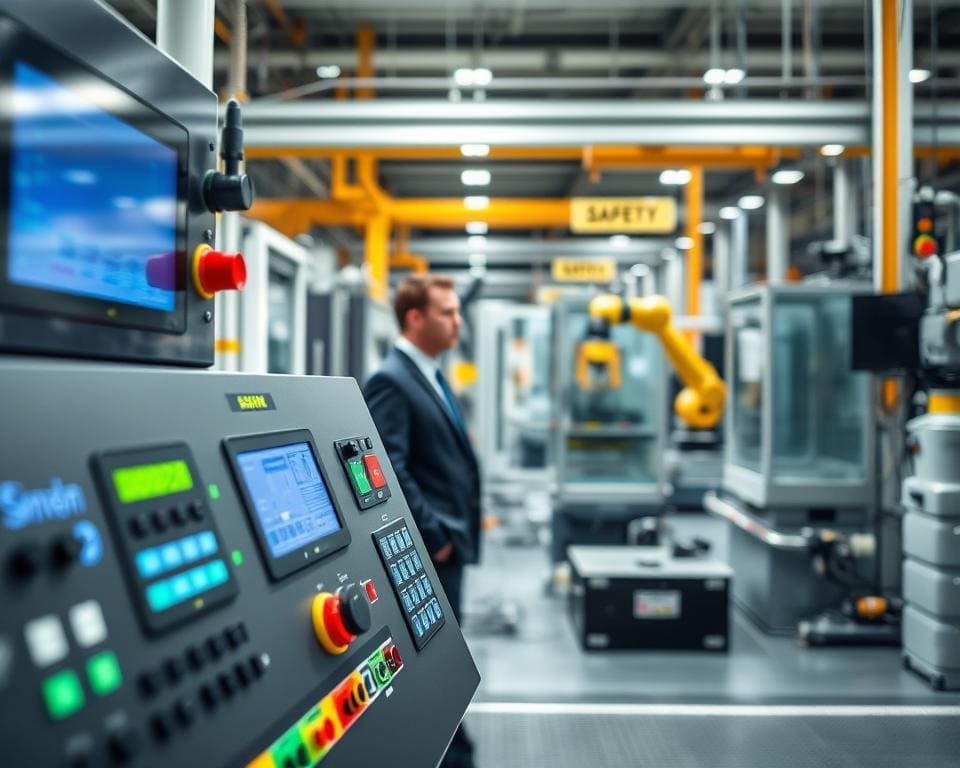
In today’s industrial landscape, control systems play an essential role in ensuring machine safety across various sectors. These advanced systems not only enhance operational efficiency but also significantly mitigate risks associated with machinery. Recent research indicates that over 80% of workplace accidents stem from inadequate safety measures, highlighting the necessity for robust control systems. By integrating sophisticated technologies, these systems provide real-time monitoring and automate responses to hazardous situations, fulfilling critical industry regulations aimed at safeguarding the workforce.
The Importance of Control Systems in Industry
Control systems serve as the backbone of modern industry, enabling precise management of various processes and enhancing overall machinery safety. Understanding these systems and their functionalities allows industries to maximise efficiency and minimise risks associated with machinery operation.
Understanding Control Systems
At their core, industrial control systems focus on the automated supervision of machinery, ensuring operations remain stable and safe. These systems monitor performance parameters, regulate outputs, and respond to changes in real-time. By continuously assessing performance factors, control systems play a pivotal role in achieving effective automation in industrial settings.
Types of Control Systems Used in Machinery
Various types of control systems exist, each designed to cater to specific operational needs. Among the most common are:
- Open-loop systems: These systems execute predefined actions without feedback from the process, making them suitable for simple operations.
- Closed-loop systems: In contrast, closed-loop systems incorporate feedback to adjust performance, offering greater precision and adaptability.
- Programmable Logic Controllers (PLCs): Widely used in industrial environments, PLCs automate machinery processes, ensuring consistent performance and machinery safety.
- Supervisory Control and Data Acquisition (SCADA): SCADA systems enable centralised monitoring and control of equipment over vast distances, improving operational efficiency and safety.
By understanding these different types, industries can make informed decisions that bolster automation while prioritising safety standards. The integration of advanced control systems enhances productivity and reliability, underpinning a safe working environment.
Why are control systems central to machine safety?
Control systems play a crucial role in ensuring the safety of machinery. Their primary function focuses on risk mitigation during operation. By continuously monitoring machine performance, these systems can detect anomalies early, thereby executing necessary actions to avert potential accidents. The sophisticated technology embedded within control systems enhances both operator safety and machinery longevity.
The Role of Control Systems in Risk Mitigation
Through various functionalities, control systems significantly contribute to error prevention within industrial environments. Features like real-time performance monitoring and automated emergency shutdowns are central to their design. Adhering to established safety standards is paramount, as these systems incorporate mechanisms such as:
- Redundant systems that provide backup in case of a failure
- Fail-safes that ensure machinery shuts down safely under duress
- Alarms that alert operators to critical issues before escalation
The implementation of such features not only safeguards workers but also optimises the operational efficiency of machinery. Research shows that the systematic approach of control systems can reduce accident rates significantly, providing a compelling case for their integration in industrial practices.
The Connection Between Control Systems and Regulatory Compliance
In the realm of machinery, regulatory compliance plays a crucial role in ensuring operational safety. Control systems serve as the backbone that supports adherence to industry regulations, which are designed to protect both operators and machinery. Understanding relevant machine safety standards is essential for any organisation aiming to create a safe working environment.
Industry Standards for Machine Safety
Regulatory bodies have established various machine safety standards that guide the design and implementation of control systems. Standards such as ISO 13849 and IEC 62061 delineate safety-related components and their specifications. Adherence to these guidelines helps mitigate risks associated with machinery operations and ensures that equipment can perform safely over its lifecycle. Compliance with these standards fosters a culture of safety, which is critical for accident prevention.
Certifications Relevant to Control Systems
Obtaining safety certifications is pivotal for organisations seeking to demonstrate compliance with industry norms. Certification such as the CE marking signifies that equipment meets essential safety requirements before deployment. This marks a significant step towards regulatory compliance, offering peace of mind to stakeholders. Maintaining these standards not only helps avoid potential legal repercussions but also reinforces a company’s commitment to safety. The implications of non-compliance can be severe, including substantial fines and detrimental effects on operational efficiency.
How Control Systems Prevent Accidents
Control systems play a crucial role in accident prevention within industrial settings. By integrating various safety mechanisms, they create layers of protection that significantly enhance operational safety. Businesses that prioritise these systems demonstrate a commitment to safeguarding their workforce and equipment.
Safety Mechanisms Integrated into Control Systems
Effective control systems incorporate a range of safety mechanisms designed to mitigate risks. Examples include:
- Interlocks: These devices ensure that machinery cannot operate under unsafe conditions.
- Emergency Stops: Easily accessible controls that allow for immediate halting of operations in emergency situations.
- Sensor Technology: Sensors monitor variables such as temperature and pressure, automatically adjusting operations to prevent dangerous situations.
Real-World Examples of Control Systems in Action
Case studies from leading companies underscore the effectiveness of modern control systems in industrial accident prevention. For instance, Siemens has implemented advanced control systems in their manufacturing processes, resulting in remarkable declines in workplace incidents. Similarly, Rockwell Automation has developed comprehensive systems that not only prevent accidents but also streamline efficiency.
Statistical analyses from various control system case studies illustrate the correlation between the adoption of robust control mechanisms and reduced accident rates. These examples serve as a testament to the vital role that control systems play in enhancing safety outcomes across industries.
Advancements in Control System Technology
Recent developments in control system technology reveal significant progress that transforms machine safety. Automation has taken centre stage, enabling systems to respond to potential hazards with remarkable speed and precision. The integration of innovative technologies like artificial intelligence (AI), machine learning, and the Internet of Things (IoT) serves to enhance the efficiency and reliability of these systems.
The Impact of Automation on Machine Safety
Automation plays a crucial role in elevating machine safety. By reducing reliance on human intervention, automated systems can react to threats far quicker than a human operator. This capability diminishes the likelihood of errors associated with manual control, leading to a safer working environment. Industries have reported substantial improvements in operational safety metrics due to the adoption of such advanced automated control systems.
Innovations Enhancing Control System Effectiveness
Continued research and development yield innovative technologies that further improve control system advancements. For instance, machine learning algorithms allow systems to analyse real-time data and adapt to evolving conditions, optimising performance and safety. Additionally, IoT integration facilitates seamless communication between equipment, creating more cohesive risk management frameworks. Together, these advancements not only reduce workplace accidents but also drive a culture of safety and continuous improvement.
Training and Implementation Best Practices
Effective training and implementation strategies are vital for the successful adoption of control systems within any organisation. Investing in personnel training ensures that team members are well-equipped to manage these systems, promoting safety and efficiency in operations. Following training best practices can significantly enhance the overall effectiveness of system implementation.
Training Personnel on Control Systems
To ensure all personnel can operate control systems safely and efficiently, comprehensive training programmes must be established. These programmes should encompass various aspects such as:
- Understanding system operation and functionalities
- Safety protocols crucial for machine operation
- Emergency procedures specific to the equipment used
Regular assessments and refresher courses play an essential role in maintaining a knowledgeable workforce. By emphasising ongoing personnel training, organisations foster a proactive approach to safety, ultimately minimising risks in the workplace.
Best Practices for System Implementation
A structured approach to system implementation is fundamental for a seamless transition. Key steps in this process include:
- Conducting thorough risk assessments to identify potential hazards
- Involving key stakeholders throughout the planning and deployment phases
- Establishing clear objectives and timelines for the integration of control systems
- Performing regular audits to evaluate the effectiveness of the system
Ultimately, these best practices strengthen the foundation for an environment where safety and efficiency flourish. Properly executed training and system implementation create a culture where every member feels responsible for maintaining safety standards.
Connecting Human Factors and Control Systems
In the realm of machine safety, understanding human factors proves essential. Operators play a significant role in maintaining a safe working environment, yet their interaction with control systems can introduce risks if not properly designed. Focusing on operator safety aligns closely with advancements in system design aimed at human error reduction. Enhanced interfaces and supportive technologies can empower operators to perform tasks more efficiently and safely.
The Role of Human Operators in Safety
Human operators are the backbone of any operational system. Their decisions impact overall safety and functionality. Adequate training and awareness of human factors significantly influence their performance. Emphasising operator safety means developing intuitive control systems that accommodate natural human behaviours. Regular assessments and feedback loops enable operators to contribute valuable insights into the system’s safety enhancements, fostering a culture of continuous improvement.
Addressing Human Error Through Control System Design
Human error remains a considerable challenge in industrial settings. Effective control system design can significantly mitigate this issue. Prioritising user-friendly interfaces helps operators easily navigate complex systems while reducing the cognitive load that can lead to mistakes. Key approaches for human error reduction include:
- Implementing straightforward controls that require minimal training.
- Providing real-time feedback to assist in decision-making.
- Limiting the potential for human error through automation and fail-safe systems.
By incorporating these strategies, organisations can enhance operator safety, empower their workforce, and significantly diminish the likelihood of accidents linked to human factors.
Future Trends in Machine Safety and Control Systems
As industries forge ahead into the era of digitalisation, future trends in machine safety are set to be significantly shaped by emerging technologies. Robotics, machine learning, and enhanced sensor capabilities are at the forefront of these innovations, offering new possibilities for machine safety improvements. The integration of these technologies not only bolsters operational efficiency but also ensures a more proactive approach to identifying and mitigating potential hazards.
Industry experts predict a rising emphasis on data analytics that will empower organisations to pre-emptively address safety challenges. By harnessing the capabilities of artificial intelligence and machine learning, companies can analyse patterns and trends that could indicate impending risks. This predictive approach is anticipated to transform the safety landscape, leading to smarter control systems that adapt to dynamic operational environments, all while adhering to stringent safety standards.
The World Economic Forum’s insights suggest that advancements in these sectors will redefine the very fabric of machine safety protocols. With the ongoing evolution of technology, stakeholders in the manufacturing and industrial sectors can look forward to creating not only safer workspaces but also more efficient and sustainable operational practices, paving the way for a brighter future in machine safety.