
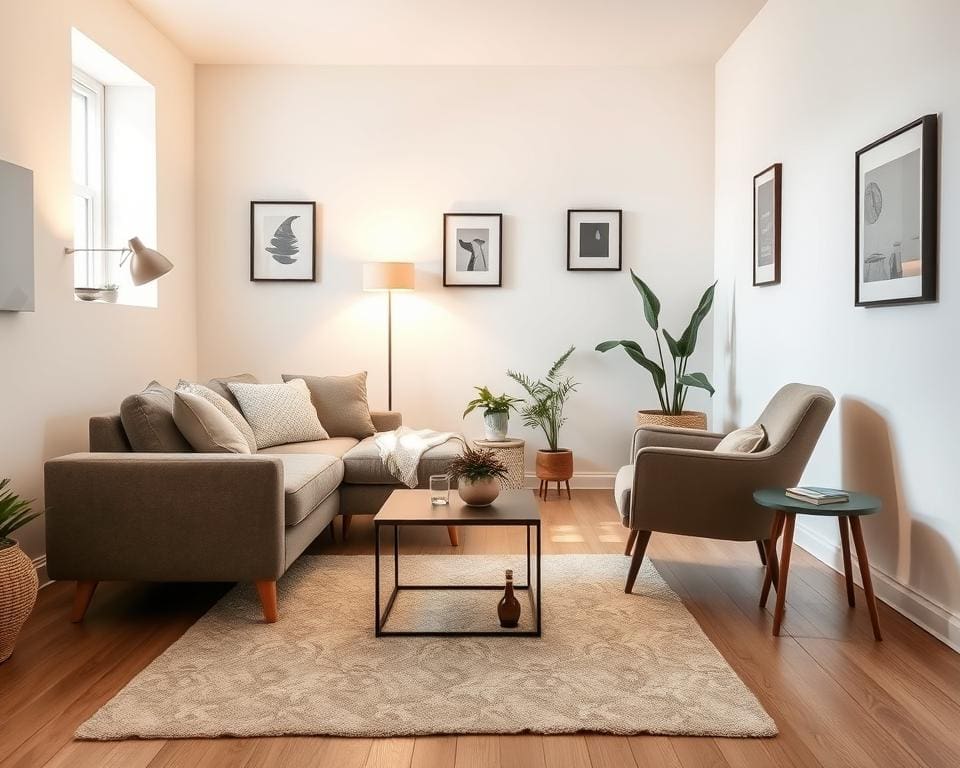
Living in a compact flat or a Victorian terrace in the UK means making choices that blend comfort, style and function. The best furniture for small living rooms balances seating, storage and media needs without crowding the floor.
Start with accurate measuring. Note door swings, radiators and focal points such as a bay window or fireplace. Accurate dimensions help you compare compact living room pieces from retailers like IKEA, John Lewis & Partners and Habitat against your space, rather than hoping a sofa will fit.
Prioritise essentials: seating that suits how you live, discreet storage and a sensible place for the TV. Choose space-saving furniture UK ranges that feature raised legs, slim profiles and light upholstery to make the room feel airier.
Think vertically to increase perceived volume. Tall shelving, mirrors and wall-mounted units draw the eye upward and free floor area for movement. Multipurpose pieces — a sofa-bed, nesting tables or an ottoman with storage — reduce clutter while keeping the room hospitable.
When assessing any item, use clear criteria: dimensions, weight, durability, fabric care and assembly. That checklist gives confidence whether you opt for bespoke furniture or off-the-shelf compact living room pieces.
By focusing on scale, colour and function, you can fit attractive, practical furniture for cosy living rooms without compromising style. This opening sets a practical, inspirational framework for choosing small living room furniture that works in real British homes.
Smart layout ideas for small living room furniture
Start by taking a calm, practical approach to planning. Good small living room layout ideas begin with honest measuring and a clear sense of what the room must do. A few careful choices will make the space feel organised, airy and useful for daily life.
Assessing your space: measurements and focal points
Begin with measuring living room space precisely. Record length, width and ceiling height, then mark doors, windows, radiators and sockets. Note usable floor area after required clearances; walkways usually need 60–90 cm.
Identify the room’s focal point. A fireplace, TV wall or bay window will guide seating placement. For a bay, a built-in bench or compact sofa can make the most of natural light and view.
Use simple tools such as a tape measure, graph paper or free apps like RoomSketcher and SketchUp Free to draw a scaled plan. Retailers such as Made.com and Habitat list standard sofa dimensions that help when fitting pieces to scale.
Choosing a layout: open plan, corner-focused or symmetrical arrangements
Open-plan layouts work well when you want clear sightlines between kitchen and living area. Choose low-profile seating and slim dining pieces to avoid visual barriers. Floating furniture can define zones while keeping circulation open.
Corner-focused arrangements free central floor space. Tuck a compact sofa or small sectional into a corner, then add corner shelving or a triangular side table to use otherwise wasted space.
Symmetrical layouts suit narrow but rectangular rooms. Two smaller sofas or a sofa facing two chairs creates balance and a calm, organised feel. In many British flats, a single run of furniture along one wall with a perpendicular accent works well.
Traffic flow and visual breathing room: arranging furniture for movement
Plan traffic flow living room paths so entrances and exits remain unobstructed. Keep at least 60 cm clearance for secondary routes and 75–90 cm for primary routes between key areas.
Choose raised-leg furniture and glass or acrylic tables to preserve sightlines and give a sense of more floor space. Deliberate negative space around seating improves comfort and makes the room feel larger than it is.
Multipurpose zones: combining seating, work and storage without clutter
Design multipurpose living room zones that combine seating, work and storage with minimal fuss. A slim console behind a sofa can double as a laptop desk. Nesting tables work as coffee tables and extra surfaces when guests arrive.
Integrate storage into seating with ottomans and storage benches for throws and games. Use vertical solutions such as wall-mounted desks, shelving and pegboards to free floor area. Brands like The Cotswold Company and John Lewis offer slimline storage made for UK homes.
Layer lighting to define each zone: task lamps for work or reading and ambient fixtures to unify the space. Careful mixing of uses keeps the room adaptable without feeling cluttered.
Choosing compact seating and adaptable pieces
Small living rooms reward smart choices. Pick seating that keeps sightlines clear and offers more than one use. Measure the area before buying and favour pieces that feel light in scale yet robust in comfort.
Sofas and loveseats
Measure intended sofa area and aim for apartment-sized options. A compact two- or three-seater or a loveseat for small living room, typically 140–170 cm wide, fits narrow plans without overwhelming the space.
Retailers such as DFS, Swoon and Loaf sell slim-profile ranges aimed at smaller homes. Choose narrow depths around 80–90 cm to save floor space. Low-back designs reduce visual bulk while high-back models add support when room height allows.
Armchairs and pouffes
Pick small-scale armchairs with narrow arms or armless silhouettes to conserve width. Lightweight furniture choices make rearranging simple and suit renters who alter layouts frequently.
Pouffes are versatile. Use pouffe storage under a console or inside a basket so they double as footrests and extras for guests. Brands like Heal’s and Aria Home offer contemporary options that suit UK interiors.
Modular and sectional options
Modular sofas small spaces give flexibility. A two-piece module can split into a chaise and a sofa or be placed against different walls as needs change.
Check that modules pass through narrow stairwells and doorways common in period properties. Modular systems cost more upfront but extend usefulness and adapt to evolving households.
Daybeds and sofa-beds
Sofa-bed recommendations UK focus on reliable mechanisms and mattress support. Choose models from specialists such as Sofa.com or IKEA for proven comfort and ease of use.
Daybeds and day lounges are narrower than standard beds, making them ideal in studio flats. Prioritise versions with built-in storage if space is tight and overnight guests are occasional.
Frame, fabric and leg choices
Exposed legs create a floating effect and increase perceived floor area. Metal or tapered wooden legs read lighter than skirted bases and help maintain a neat, airy look.
Choose durable, stain-resistant fabrics like treated cotton blends or performance weaves for family life. Light upholstery colours and slim arm profiles keep the palette calm and prevent visual overcrowding.
Storage solutions, tables and accessories that maximise space
Start with storage-first furniture to keep a small living room calm and useful. Storage ottomans, benches with lift-up lids and sofas with hidden compartments make daily clutter vanish while giving extra seating. Brands such as Made.com and Barker and Stonehouse offer sofas and seating with built-in storage that suit typical UK flats and show how multifunctional furniture can be elegant as well as practical.
Choose a slimline media unit or wall-mounted storage UK options to cut floor clutter and tidy electronics. A floating shelf above a slimline media unit hides a soundbar and keeps a TV area light. Use simple cable management and narrow consoles to keep sockets and set-top boxes out of sight without losing access for everyday use.
Prioritise compact coffee tables and flexible side tables to balance form and function. Nesting tables, lift-top coffee tables and pieces with under-shelf storage expand surface area when guests arrive and tuck away afterwards. Solid wood or metal-framed nesting tables provide sturdy surfaces and avoid a crowded feel in a small footprint.
Think vertical: floor-to-ceiling shelving, tall narrow bookcases and wall cabinets make the most of height. Cost-effective, modular choices such as IKEA’s BILLY and FIRA-approved shelving from John Lewis & Partners work well in varied room shapes. Finish with a large mirror opposite a window and layered lighting—ceiling, task and accent—to amplify light and depth, and use rugs and uniform baskets to define zones and conceal small items. Measure doorways and stairwells before buying and favour flatpack or durable sealed woods that withstand UK central heating so your compact living room stays welcoming and long lasting.