
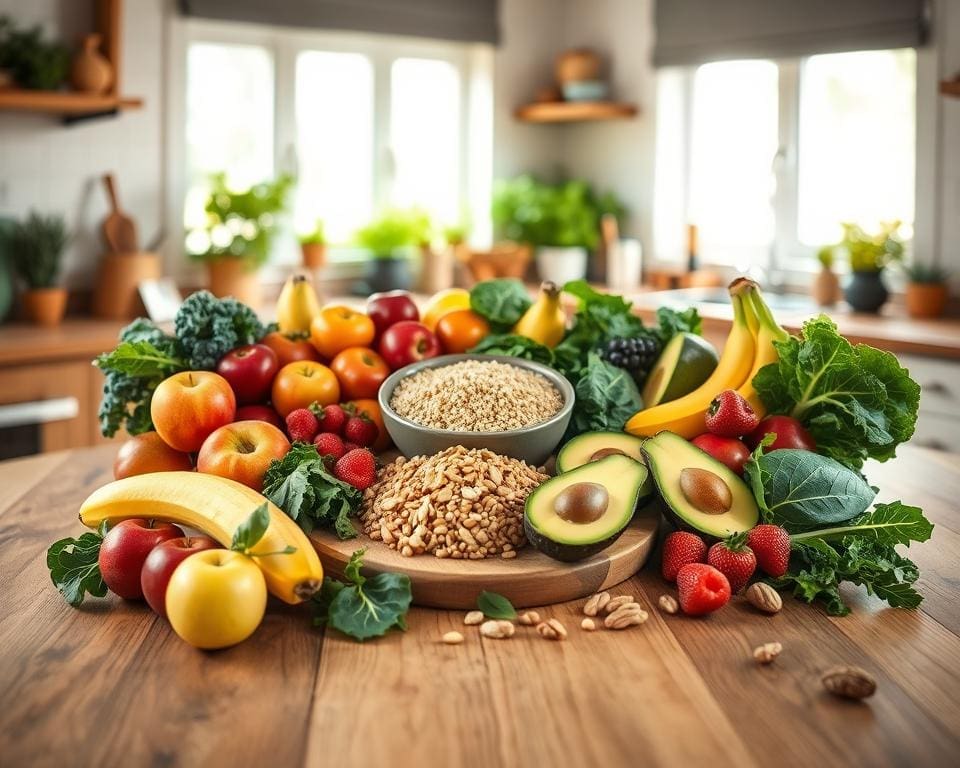
Which foods support a healthy lifestyle is the question at the heart of this guide. This opening section sets the scene for a product-review approach that evaluates foods, food groups and convenient items against clear criteria. Readers in the UK will find practical insight into healthy eating UK and how to make conscious food choices that suit modern life.
The nation’s interest in health and sustainability is rising, guided by the NHS Eatwell Guide and Public Health England advice on fruit and vegetable intake, wholegrains and limiting salt, sugar and saturated fat. At the same time shoppers demand transparency and plant-forward options from brands such as Riverford, Abel & Cole, Kallo and Alpro, which reflects wider appetite for foods for wellbeing and a nourishing diet.
This article will take a product-review style route. Later sections test wholegrain oats, British seasonal greens, tinned beans like Napolina and Biona, Alpro yoghurts, Waitrose and Tesco kefir alternatives, and fermented kimchi from Lucky Buddha or local producers. Each will be scored for nutrient density, environmental impact, ingredient transparency and ease of use, helping readers spot reliable choices on shelves.
Expect actionable takeaways: shopping tips, meal-planning strategies and simple ideas to help you shift towards a conscious, nourishment-led lifestyle. By the end you will know which foods support a healthy lifestyle and how to use them to build a nourishing diet aligned with conscious food choices.
What defines a conscious lifestyle today?
A conscious lifestyle definition centres on making food choices that are informed, intentional and kind to body and planet. It joins health with ethics, so everyday meals support wellbeing and reduce environmental harm.
Start with simple rules that fit real life. NHS guidance on variety and portion balance remains a useful touchstone for planning meals that satisfy and nourish.
Principles of conscious eating
Conscious eating principles mean choosing whole, minimally processed foods and prioritising a nutrient-dense diet. Eat slowly, savour flavours and avoid distracted eating to improve digestion and satisfaction.
Limit ultra-processed items and widen the range of plant-based foods on your plate. Favour seasonal and local produce where possible to boost freshness and community supply chains.
Environmental and ethical considerations in food choices
Ethical food choices reflect both environmental impact and animal welfare. Red meat and dairy tend to have higher greenhouse gas emissions than legumes and pulses, according to UK research and frameworks such as the Eat-Lancet recommendations.
Look for certifications that guarantee higher standards. RSPCA Assured and Soil Association Organic mark better welfare and farming practices. Fairtrade Foundation labels help ensure fair pay for cocoa and coffee producers.
Retailers like Waitrose, Riverford and Abel & Cole publish sourcing information and transparency statements that help shoppers make low-impact protein choices and cut food waste.
How nutrient density aligns with mindful living
A nutrient-dense diet focuses on vitamins, minerals, fibre and phytochemicals per calorie. These foods help you feel full on fewer calories, steady energy and better cognitive function over time.
Choose options such as salmon and mackerel, dark leafy greens, berries, beans, nuts and seeds. When food makes you feel good physically and mentally, mindful eating UK becomes easier to sustain.
Simple shopper checkpoints make conscious choices practical: short ingredient lists, clear whole-food ingredients, low added sugar or salt and visible certification logos. Country of origin labelling helps you judge seasonality and transport impact.
Whole foods that boost vitality and long-term wellbeing
Choosing whole foods brings a simple path to better energy and resilience. Small swaps, like porridge for sugary cereal, make a noticeable difference. The focus below shows practical choices and easy ways to incorporate whole foods so your weekly routine supports whole foods vitality.
Benefits of whole grains and fibre-rich staples
Whole grains such as oats, brown rice and barley supply sustained energy and help steady blood sugar. NHS guidance recommends adults aim for at least 30g of fibre daily, which links to lower risk of cardiovascular disease and type 2 diabetes.
Examples you can buy in the UK include Quaker oats, Flahavan’s porridge oats and Tilda brown rice. Fibre-rich foods UK favourites like potatoes with their skins, pulses and seeds support digestive health and long-term wellbeing.
Fruit and vegetables that deliver essential vitamins and antioxidants
Berries, citrus fruits and apples are rich in vitamin C and plant compounds that reduce oxidative stress. Dark leafy greens such as kale and spinach supply folate and vitamin K. Cruciferous veg like broccoli and Brussels sprouts provide glucosinolates that help cellular defence.
Bright vegetables — carrots and red peppers — supply beta-carotene. Seasonal British produce, from autumn apples and root veg to spring asparagus and strawberries, keeps your plate varied and packed with vitamins and antioxidants.
How to incorporate whole foods into daily meals
Start the day with porridge topped with berries and seeds for fibre and lasting fuel. For lunch, choose salads or stir-fries paired with brown rice or quinoa. Dinners can be hearty stews with root veg and barley.
Batch cooking and using frozen veg such as peas or mixed veg from Iceland or Tesco saves time and cash. Riverford veg boxes and Waitrose seasonal ranges make it easier to find quality produce. Snacks of fresh fruit, nuts or raw veg keep energy steady and help you naturally incorporate whole foods into everyday life.
Plant-based proteins and legumes for sustainable nutrition
Pulses and legumes form a practical foundation for a sustainable diet. They deliver steady energy, valuable micronutrients and a lower environmental footprint than many animal foods. Britons can use these ingredients to build satisfying, nutrient-dense meals.
Health advantages of beans, lentils and peas
Beans, lentils and peas supply protein, slow-release carbohydrates and plenty of fibre. They are rich in iron, folate and magnesium, which help energy levels and metabolic function. Regularly eating pulses supports blood sugar control and can lower LDL cholesterol, aiding weight management and reducing cardiovascular risk.
UK dietary guidance highlights pulses as a suitable replacement for some animal protein. This recommendation reflects the legumes health advantages seen in public health research and environmental dietary frameworks.
Comparison of plant proteins vs animal proteins
Plant proteins differ from animal proteins in amino-acid profile and bioavailability. Some plant sources are lower in specific amino acids or non-haem iron is less readily absorbed. A varied plant-based diet across a day provides complete protein without the need for exact combining at each meal.
Plant sources often contain less saturated fat and come with a much smaller greenhouse gas and water footprint than many animal products. Fortified items like Alpro and Oatly milks or Weetabix fortified cereals help address nutrients such as B12, calcium and iodine that need attention in plant-led patterns.
Easy recipes and meal ideas featuring legumes
- Hearty lentil shepherd’s pie made with brown lentils, root vegetables and a mashed potato topping.
- Curried chickpea and spinach stew served with brown basmati rice and fresh coriander.
- Three-bean chilli with brown rice, served with grated cheddar or a dairy-free alternative.
- Mixed bean salad with olive oil, lemon, red onion and parsley for a quick lunch.
- Dahl with red lentils and cumin, paired with wholegrain chapatis or rice.
Convenient products make these dishes simple to prepare. Look for Napolina canned beans, Biona organic pulses or Suma tinned chickpeas, and pre-cooked lentils from major supermarkets. When using dried beans, soak them to reduce cooking time and improve digestibility.
Small tricks boost nutrition and flavour. Add a strip of kombu or other seaweed to the cooking water for extra minerals. Season generously with herbs, lemon and spices to enhance appetite and enjoyment of legume recipes.
Healthy fats: sources that support heart and brain health
Choosing the right fats can lift both mood and heart health. This short guide explains why unsaturated oils matter and where to find them in UK shops and markets.
Role of monounsaturated and polyunsaturated fats
Monounsaturated fats, such as oleic acid in olive oil and avocados, help lower LDL cholesterol when they replace saturated fats. Polyunsaturated fats include omega-3 and omega-6 types. Long-chain omega-3s EPA and DHA are vital for cognitive function and for calming inflammation linked to cardiovascular risk.
Top food sources you can buy in the UK
- Oily fish: salmon, mackerel, sardines, herring and pilchards. Aim for two portions of fish a week with at least one oily fish. Look for Wild Alaskan or MSC-certified salmon and John West sardines.
- Nuts: almonds and walnuts are rich in beneficial oils and plant compounds that support cognition. Consider Waitrose or Marks & Spencer ranges for quality choices.
- Seeds: flaxseed, chia and pumpkin seeds add ALA and fibre when sprinkled on porridge or yoghurt.
- Extra virgin olive oil and avocados: choose cold-pressed, dark-bottle oils and ripe avocados for salads and spreads.
Practical portion guidance and cooking tips
A small handful of nuts is roughly 30g. One serving of oily fish is about 140g cooked. Keep portions steady to manage calories while reaping nuts and seeds benefits.
Cook gently to protect fats. Grill, steam or bake fish rather than deep-frying. Use extra virgin olive oil for dressings and low-to-medium heat dishes. Store nuts and seeds in the fridge to slow rancidity. Pick cold-pressed oils in dark bottles and avoid overheating them.
Fermented foods and gut health
Fermentation transforms simple ingredients into tangy, nourishing foods that can support digestion and a resilient microbiome. The process creates live cultures, bioactive compounds and can increase nutrient availability. Many people in the UK add fermented foods to their diet to support fermented foods gut health and to explore new flavours.
Fermentation is a microbial transformation where beneficial bacteria produce probiotics and organic acids. These microbes may support gut microbial diversity, aid digestion and help maintain immune balance. Effects differ by strain and product, so benefits for mood or metabolism vary between individuals.
Popular fermented options in the UK diet
Common choices include live natural yoghurt from brands such as Yeo Valley and Rachel’s. Kefir has become easier to find in supermarkets and specialist stores. Sauerkraut and kimchi come from producers like Biona and Choi’s, alongside local artisan makers. Dairy-free choices include Alpro and The Coconut Collaborative coconut yoghurt, while kombucha brands such as Remedy and Lo Bros offer fizzy alternatives.
Practical advice for buying or making fermented foods
- When you buy, look for labels that state live cultures and low added sugar. Check ingredients for minimal preservatives and natural contents.
- Store items refrigerated and eat by the best-before date. Start with small servings to monitor tolerance and digestive response.
- To make fermented foods at home, try simple sauerkraut or kimchi with cabbage and salt, allowing time for lactic fermentation. For yoghurt, use thermised milk and a starter culture. Kefir can be made with kefir grains for a drinkable probiotic boost.
- Follow food-hygiene steps and safe fermentation practices. For tools and starters, consider British suppliers such as Fermentaholics or local homebrew shops when you decide to make fermented foods.
Minimally processed convenience foods that fit a conscious lifestyle
Choosing convenient nutritious foods does not mean sacrificing health. Small swaps and smart shopping help you keep nutrient density high while saving time. A few simple rules will make ready meals and store staples work for you.
How to read labels and avoid hidden additives
Start by checking the ingredients list. Ingredients are ordered by weight, so if brown rice or whole oats appear first, that is a good sign. Avoid long lists of unfamiliar chemicals and learn to spot hidden sugars such as glucose‑fructose syrup.
Use the nutrition table to compare calories, saturated fat, salt, sugar and fibre. The Food Standards Agency traffic‑light system used by UK supermarkets makes this quick. When you read food labels UK, favour products with lower red lights and higher fibre values.
Recommended ready-to-eat options with high nutritional value
Choose healthy ready-to-eat options that list whole ingredients. Good examples include Tilda microwaveable wholegrain rice, Birds Eye steam-in-bag vegetables and tinned salmon or mackerel. Tinned pulses from Napolina or supermarket own brands are quick and versatile.
Look for brands with transparent labelling. Abel & Cole convenience range and Waitrose “No Junk” lines often highlight simple ingredient lists. Alpro plain soya yoghurt, Whole Earth peanut butter with no added sugar and shelf‑stable hummus pots are useful staples.
Tips for balancing convenience with nutritional quality
- Combine convenience items to build balanced meals: microwave brown rice, canned beans, frozen veg, a drizzle of olive oil and lemon.
- Batch-cook soups, stews or grain salads and freeze portions for busy days.
- Choose single‑ingredient snacks such as fruit, plain yoghurt or nuts over bars with long ingredient lists to avoid additives.
- Use frozen fruit for smoothies and pre-washed salad leaves for fast, fresh bowls.
- Schedule one cooking session each week to prepare components that transform minimally processed convenience foods into nourishing meals.
When you learn to read food labels UK and prioritise minimally processed convenience foods, you can enjoy both speed and wellbeing. Thoughtful choices let convenience support a conscious lifestyle without compromising nutrition.
Practical shopping and meal-planning strategies for a healthier life
Start each week with a simple plan: choose meals that use in-season produce and items on sale, then build a conscious shopping list grouped by store section. For breakfasts pick porridge or yoghurt with fruit; lunches might be salads, soups or grain bowls; dinners can centre on legumes or oily fish; snacks should be nuts, fruit or veg sticks. Planning this way supports shopping strategies healthy life and makes healthy meal prep faster.
Budget-minded shoppers in the UK can save by buying frozen fruit and vegetables, choosing supermarket own-brand staples like tinned tomatoes and pulses, and checking reduced sections. Local markets, Community Supported Agriculture boxes and veg box deliveries from Riverford or Abel & Cole help access seasonal bargains. Use apps such as Too Good To Go to reduce food waste UK while stretching your pounds.
Adopt practical meal-prep habits: batch cook versatile bases — brown rice, roast vegetables, cooked pulses — then portion and freeze in airtight containers with dates. Store produce to last longer: keep root vegetables in a cool dark place, refrigerate berries and freeze bread. These steps make healthy meal prep straightforward and cut time spent cooking each day.
Small habits add up. Try Meat Free Monday, compost kitchen scraps where possible, favour minimal packaging and take reusable shopping bags. Check certifications like Organic, MSC for fish or Fairtrade when you can. These modest changes create a conscious shopping list and daily routine that help reduce food waste UK and support a healthier, more sustainable life.