
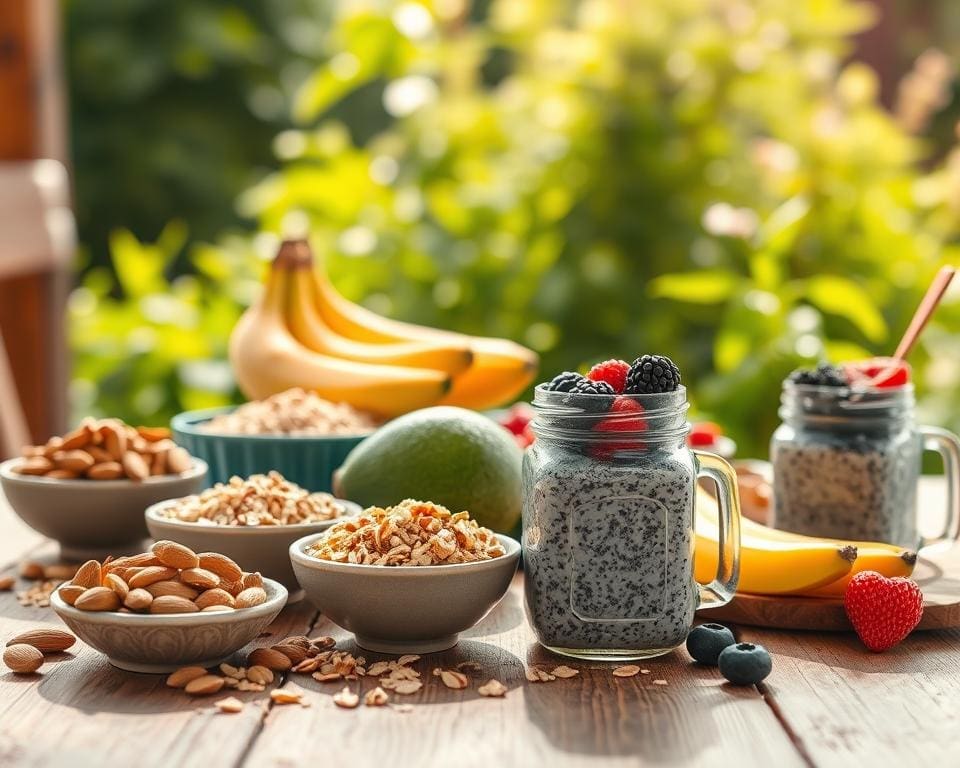
Choosing the right long-lasting energy foods helps you stay focused, alert and able to carve out time for yourself. Scientific consensus shows complex carbohydrates, proteins and healthy fats digest more slowly than simple sugars, delivering sustained energy and fewer crashes.
The NHS and leading British nutrition experts recommend balanced meals with fibre, protein and healthy fats to keep blood glucose steady and reduce fatigue. That guidance underpins practical choices when shopping for foods for energy.
Consumer research also points to the value of convenient, nutrient-dense products such as ready-to-eat oats, canned fish from brands like John West, and nut butters. These best energy foods UK shoppers buy make it easier to eat well on a busy schedule and support how to stay energised.
Read on to learn how sustained energy from smart food choices can sharpen decision‑making, cut mid‑afternoon slumps and free up realistic pockets of time for self‑care and personal routines.
Understanding long-lasting energy: what it means and why it matters
Long-lasting energy is about steady performance across the day, not sharp spikes followed by crashes. A clear sustained energy definition centres on a reliable glucose supply, stable mood and lasting satiety. Small changes in eating patterns and food choice can shift how you feel at work, home and during exercise.
Defining sustained energy versus quick boosts
Simple carbs such as white bread and sugary snacks give rapid fuel. That rapid rise in blood glucose often ends in a sharp drop. The contrast between a quick energy boost vs sustained intake lies in digestion speed. Complex carbohydrates, protein and healthy fats slow digestion and create a steadier glucose release.
The NHS and glycaemic index guidance explain how lower-GI foods help maintain blood sugar stability. Slower absorption reduces the need for repeated snacking and lowers the risk of energy dips.
How nutrition affects mood, focus and stamina
Stable blood sugar supports neurotransmitter production. Precursors for serotonin and dopamine come from amino acids and steady glucose. When levels wobble, concentration slips and irritability can rise.
Iron deficiency and low B‑vitamin status link to fatigue and poorer cognitive performance. Magnesium supports muscle function and energy metabolism. Paying attention to nutrition and mood means choosing foods that feed body and brain over the long term.
Why balanced meals are central to energy stability
A reliable plate composition pairs a complex carb with protein, healthy fat and fibre. That combination prolongs fullness and helps sustain energy. Simple rules from the British Dietetic Association suggest the same balanced approach for most meals.
Regular timing matters for many people. Eating every three to four hours and staying hydrated supports blood sugar stability and reduces reliance on stimulants like caffeine. Practical balanced meals energy planning makes steady daily vitality feel doable.
How do you make time for yourself?
Carving out personal time starts with small, predictable habits that protect energy and calm the mind. When you pair nutrition and self-care, daily choices become tools that clear decision fatigue and free minutes for exercise, reading or a hobby.
Set rituals that lock in nourishment and rest. A weekly meal prep session or batch cooking on Sunday makes weekdays smoother. Scheduled snack breaks stop mid-afternoon energy slumps and support consistent focus.
Linking nutrition with personal routines and self-care
Good fuel reduces stress and helps you keep boundaries around personal time. Plan simple rituals such as a five-minute morning stretch after breakfast or a short walk after lunch to reinforce both nutrition and self-care.
Practical meal planning to free up time and support energy
Choose three to four staple breakfasts, lunches and dinners you enjoy. Rotate these so shopping and cooking stay simple.
- Batch-cook wholegrains like brown rice and quinoa, roast vegetables and a couple of proteins.
- Portion into labelled containers for grab-and-go access across the week.
- Use UK ready-to-eat ranges from Waitrose or Tesco cooked brown rice to cut prep time.
Appliance shortcuts help too. A slow cooker or air fryer reduces active cooking time and keeps flavours strong without fuss.
Quick, nutrient-dense options for busy schedules
Keep a pantry stocked with staples so you can assemble nourishing food fast. Oats, canned fish, nut butters and frozen veg cover many needs.
- Porridge oats with nut butter and banana — prep time: 5 minutes; shelf life: same day.
- Greek yoghurt with berries and seeds — prep time: 2 minutes; fridge life: 24–48 hours.
- Wholegrain wrap with tinned tuna and salad — prep time: 5 minutes; best eaten same day.
- Mixed-nut snack packs or boiled eggs — ready to eat; keep on hand for instant fuel.
- Hummus with carrot sticks — prep time: 5 minutes; fridge life: 3–4 days.
For urgent moments, keep a supply of quick energy snacks UK shoppers trust, such as mixed nuts, flapjacks made from oats and dates, or nut butter sachets. These time-saving food tips ensure you never skip a needed bite when life is busy.
Use meal planning for busy people to protect evenings and weekends. Small systems free up hours each week and make it far easier to answer the question: how do you make time for yourself?
Top complex carbohydrates and wholegrains for steady energy
Choosing the right complex carbohydrates helps maintain steady energy all day. Wholegrains UK options provide slow-release fuel, fibre and key micronutrients. This section offers practical portions, pairing ideas and a short product review to help you pick the best wholegrain products UK has on offer.
Benefits of oats, brown rice and wholemeal bread
Oats deliver soluble fibre called beta-glucan, which slows digestion and supports a steady glucose response. Learn the oats benefits and you see why porridge is a morning staple for lasting focus.
Brown rice contains more fibre and minerals than white rice. It supports fullness and supplies magnesium and B-vitamins for energy pathways, making brown rice a reliable base for meals.
Wholemeal bread brings B-vitamins and iron in a compact form. Compared with white bread, it offers a gentler effect on hunger and blood sugar, helping you avoid mid-morning energy dips.
Portion ideas and pairing with protein and fat
Simple portion patterns help tailor meals to activity levels. For porridge, aim for 40–60g oats per adult. Top with 1 tablespoon peanut butter and a banana for added protein, healthy fat and potassium.
When serving brown rice, use about 75–100g cooked as a side. Pair with grilled chicken or tofu and an olive oil dressing for balanced macronutrients that extend satiety.
For quick meals, two slices of wholemeal bread make a good base. Try mashed avocado with smoked salmon or cottage cheese to add protein and monounsaturated fat for lasting energy.
Product review: best wholegrain options available in the UK
- Flahavan’s and Quaker porridge oats score well for texture and minimal processing. Check labels for no added sugars and compare price per 500g for value.
- Tilda brown basmati rice offers a fragrant, firm grain that reheats well. Own-brand brown rice is often a cost-effective alternative for batch cooking.
- Waitrose Duchy Farm and Tesco Finest wholemeal bread provide higher fibre counts and simple ingredient lists. Look for the wholegrain stamp and avoid loaves with added sugars.
- Supermarket ready meals with wholegrains can save time. Prefer options that list wholegrain ingredients first and keep sauces light to maintain a favourable nutrient mix.
For everyday shopping, own-brand oats and rice often give the best balance of price and nutrition. When choosing, focus on fibre content, short ingredient lists and the absence of added sugars to ensure you pick truly wholegrain options.
Protein sources that sustain energy throughout the day
Choosing the right protein helps keep energy steady from morning to evening. Think of protein for energy as a partner to wholegrains and healthy fats. Small swaps and smart prep make sustained energy protein an easy part of any routine.
A quick comparison clarifies animal vs plant protein for endurance. Animal options such as eggs, chicken, fish and dairy usually supply complete amino-acid profiles. They digest relatively quickly, aid repair and deliver lasting fullness after a meal.
Plant proteins like lentils, chickpeas, tofu, tempeh and quinoa bring fibre and micronutrients alongside protein. When combined across the day, they match amino-acid needs and support slow, steady energy release. Digestibility differs between sources, so mixing types can aid endurance and prolonged satiety.
Comparing amino-acid completeness and endurance
Complete proteins speed recovery and help muscles hold up during long days. In contrast, plant-based choices supply extra fibre that steadies blood sugar. For many people, pairing pulses with grains gives the best of both worlds.
Easy-to-prepare protein-rich meals and snacks
- Boiled eggs with wholemeal soldiers — prep time 10 minutes; store eggs in the fridge for a week.
- Tuna and chickpea salad — tinned tuna from Princes or John West, mixed with chickpeas and herbs; keeps 2–3 days.
- Greek yoghurt with mixed seeds — choose Tesco high-protein Greek-style yoghurt for a low-sugar option.
- Overnight oats with a scoop of protein powder — assemble in 5 minutes, refrigerate overnight.
- Lentil and vegetable soup — batch-cook and freeze portions for quick reheating.
- Hummus and veggie sticks — store-bought hummus or homemade works well for protein snacks UK.
Product review: convenient protein products (UK supermarkets and brands)
Look for products that balance protein per serving with minimal additives. Princes and John West tinned tuna and sardines pack protein for energy and travel well. M&S free-range boiled eggs offer ready-to-eat convenience for busy mornings.
Alpro soya yoghurts suit plant-based diets while Tesco’s high-protein Greek-style yoghurts give a thicker texture and more protein. Quorn and Linda McCartney ranges supply meat-free options that fit meal plans aimed at endurance.
Myprotein Ready-to-Drink shakes are handy for on-the-go top-ups. When choosing the best protein products UK, check labels for sugar and sodium. Low-sugar, high-protein yoghurts and low-salt tinned fish are the most versatile for snacks and meals.
Use these ideas to build a cupboard of reliable choices. Rotate animal and plant sources to benefit from varied nutrients and to ensure sustained energy protein supports every part of your day.
Healthy fats that support prolonged vitality
Fats are a concentrated fuel that keep you steady between meals. Choosing the right types helps slow digestion and release energy over hours rather than minutes. Small swaps — like adding avocado to toast or a spoonful of nut butter to porridge — can lift mood, sharpen focus and sustain stamina.
Role of monounsaturated and polyunsaturated fats in energy
Monounsaturated fats and polyunsaturated fats provide lasting calories without the blood-sugar spikes that come from refined carbs. Monounsaturated fats, such as oleic acid in olive oil and avocados, support heart health while supplying steady energy. Polyunsaturated fats include omega-3s like EPA and DHA from oily fish, which benefit cognition and mood as part of a consistent eating plan.
Portion control matters because fats are calorie-dense. Aim for a small handful of nuts or half an avocado per serving to balance energy needs and weight goals.
Top food sources: avocados, nuts, seeds and oily fish
- Avocados: rich in potassium and monounsaturated fats, versatile on salads, toast or blended into smoothies.
- Nuts and seeds: almonds, walnuts, pumpkin and flax seeds supply healthy fats and magnesium for muscle and nerve function.
- Oily fish: salmon, sardines and mackerel deliver omega-3s and vitamin D, ideal twice weekly for cognitive support.
Practical portions help you reap benefits without excess calories. Try half an avocado with eggs, a small handful of mixed nuts between meals, or a tin of sardines on wholemeal crackers for a quick nutrient boost.
Product review: best nut butters, canned fish and seed mixes
UK shoppers can choose clean-label nut butters from Meridian and Pip & Nut. Both offer natural spreads with minimal ingredients and no added sugar, making them useful for breakfasts and snacks.
Tinned fish from John West and Princes provides reliable omega-3 content at a wallet-friendly price. Look for tins packed in olive oil or spring water and check sodium levels if you monitor salt intake.
Seed mixes UK options appear at Waitrose and Dorset Cereals, alongside supermarket own brands that combine roasted seeds and nuts. These mixes work well over yoghurt, porridge or salads.
Store nut butters in a cool, dark place and refrigerate after opening if recommended. Tinned oily fish keeps long in the pantry but use within the stated best-before once opened. Pick products with minimal added salt and sugar for the best sustained-energy impact.
Fibre, micronutrients and hydration for sustained performance
Small changes to what you eat and drink can sharpen energy across the day. Focus on fibre for energy, key micronutrients and steady fluid intake to support concentration, stamina and recovery. The following notes explain which nutrients matter and which products are common in the UK market.
Key vitamins and minerals that influence energy
Iron plays a central role in oxygen transport. Low iron is linked to anaemia and reduced work capacity, so check symptoms and ask your GP about testing if tiredness persists. Good sources include red meat, lentils and fortified cereals.
B-vitamins support metabolism and nervous system health. B12, B6 and folate help convert food into usable fuel, so include dairy, eggs, fortified plant milks and wholegrains to support B-vitamins energy.
Magnesium acts as a cofactor in ATP production and helps muscles relax after exertion. Eat nuts, seeds, leafy greens and wholegrains to keep stores topped up.
Hydration strategies and drinks that help maintain energy
Even mild dehydration can impair focus and make tasks feel harder. Aim for around 1.6–2 litres a day for most adults, adjusting for activity and climate.
Drink small amounts regularly rather than large volumes at once. Herbal teas and sparkling water add variety without caffeine. Be mindful of caffeinated drinks; they may boost alertness but can disrupt sleep and trigger rebound fatigue.
For prolonged exercise or heavy sweat, choose low-sugar electrolyte options rather than regular soft drinks to balance hydration and support performance.
Product review: fortified foods, electrolyte drinks and supplements
Fortified cereals and porridge remain practical ways to boost intake; products such as Weetabix Protein and many supermarket fortified porridges are good examples in the fortified foods UK category.
Alpro and other fortified plant milks often include calcium and B12, helping those on plant-based diets meet needs for B-vitamins energy.
- Nuun, Lucozade Sport and Science in Sport GO Electrolyte are widely available electrolyte drinks UK choices. Compare sugar and salt content and favour low-sugar formulations for everyday use.
- Supplements such as ferrous sulphate may be recommended for iron deficiency under NHS guidance. Over-the-counter multivitamins from retailers like Holland & Barrett can help fill gaps, though testing is sensible before starting iron or high-dose supplements.
Watch labels for added sugars and excess sodium. Pair fortified foods UK with whole sources of fibre for energy to smooth blood glucose and support sustained performance throughout the day.
Practical meal and snack ideas to maintain long-lasting energy
Start with a simple sample day that you can copy. For a workday try overnight oats made with 50g oats, 1 tbsp Meridian almond butter, 150g Greek yoghurt and mixed berries (prep five minutes the night before). Mid-morning, have a boiled egg and a small apple. Lunch could be a wholemeal wrap with John West tuna, mixed leaves, half an avocado and a sprinkle of mixed seeds. This single-day plan shows how meal ideas for energy and quick energy meals can fit into a busy routine.
Keep a shortlist of energy-sustaining snacks to grab when time is tight. Pack single-serve nut butters with oatcakes, Tesco high-protein yoghurts, tinned sardines on wholemeal toast, hummus pots with carrot sticks and a mixed-nut packet from Waitrose. These high-energy snacks travel well and have straightforward storage and best-before considerations, making them ideal for UK meal plans on the go.
For evenings, choose meals that take minimal hands-on time but deliver lasting fuel. Baked salmon with Tilda brown basmati rice and steamed greens is quick to assemble and stores well as leftovers. Keep staples such as natural nut butter, a tin of oily fish, quick-cook wholegrains, fortified porridge oats and a mixed-seed pack to assemble balanced plates in under ten minutes. This product pairing approach reduces decision fatigue and frees time for self-care.
Finish with one small, achievable goal each week: batch-cook two dinners, buy three staple products, or prepare two snack packs. Small steps build momentum. Consistent use of meal ideas for energy and energy-sustaining snacks in everyday UK meal plans brings both physical vitality and the mental space to reclaim time for yourself.