
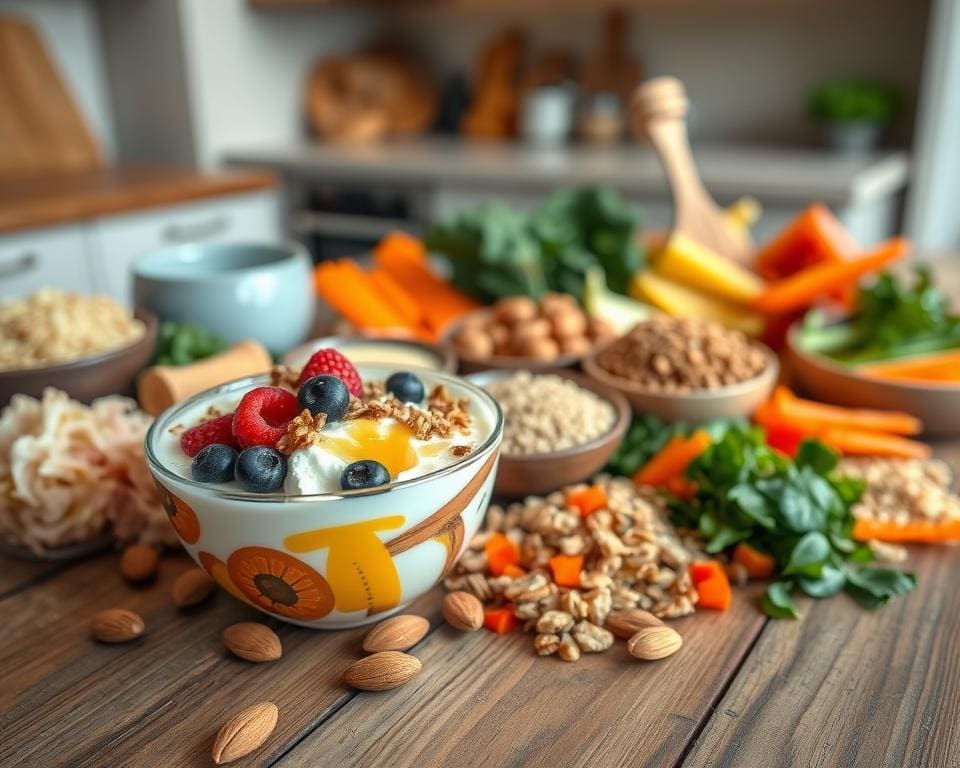
Choosing the right foods for gut health is one of the simplest ways to improve digestion, support immunity and lift mood. This introduction outlines a practical, evidence‑informed approach to the best gut-friendly foods for a UK lifestyle, from fermented yoghurts on Waitrose shelves to prebiotic-rich vegetables in weekly Tesco shops.
We will show how to improve gut microbiome diversity with everyday choices, explain why a gut-supporting diet matters for calmness and resilience, and preview product reviews of British-available options such as kefir, live yoghurts and fibre supplements from Holland & Barrett.
This short guide is aimed at real shoppers who want clear, actionable advice on foods for gut health without medical jargon. Read on for a structured plan that balances scientific concepts with practical buying tips and recipes you can use straightaway.
Understanding gut health and why it matters for wellbeing
Our gut plays a quiet, constant role in daily life. It houses trillions of microbes that shape digestion, influence immunity and help regulate mood. Learning about gut wellbeing gives practical steps to feel better and stay resilient.
What gut health means: microbiome, digestion and immunity
The term gut microbiome explained refers to the diverse community of bacteria, fungi and viruses that live in the gastrointestinal tract. These microbes ferment indigestible fibres to make short-chain fatty acids such as butyrate, which feed colon cells and help reduce inflammation.
They assist with nutrient absorption, including vitamin K and some B vitamins, and interact with gut-associated lymphoid tissue to modulate immune responses. Mucosal barrier integrity and microbial diversity are markers of a resilient system.
Signs of a healthy gut versus an imbalanced gut
Digestive health signs of a healthy gut include regular bowel movements with stable frequency and form, minimal bloating, and low discomfort. People often report steady energy, stable mood and fewer recurrent infections.
By contrast, dysbiosis can show as persistent bloating, irregular bowel habits such as constipation or diarrhoea, excess gas, food intolerances, low energy and poor sleep. Symptoms vary between individuals and persistent problems should prompt clinical assessment.
How diet influences mood, energy and overall health
Strong links exist between diet and mood. Diet and mood research finds diets rich in fibre, plant variety and fermented foods tend to associate with lower risk of depression and better sleep quality.
Diets high in processed foods and sugars often drive inflammation and may harm mental wellbeing. Choosing diverse whole foods, regular fibre and polyphenol-rich produce helps support microbial diversity and reinforces the gut and immunity connection.
Practical change centres on patterns rather than single items. Aim for plant variety, consistent fibre, fermented foods and colourful fruit and vegetables to support long-term gut wellbeing.
How do you develop more calmness?
Calmness grows from small, daily choices that steady body and mind. The gut mood connection plays a quiet but vital role. Shifts in diet and routine can change stress responses over weeks, not overnight. Practical steps help you learn how to develop calmness with realistic, sustainable habits.
Link between gut bacteria and the brain: the gut–brain axis
The gut–brain axis is two-way communication between the gut and central nervous system. Signals travel along the vagus nerve, through hormones such as cortisol, via immune mediators and by microbial metabolites like short-chain fatty acids. These pathways mean the microbiome can influence stress response, anxiety and mood, according to current scientific consensus.
Meta-analyses and clinical trials report modest improvements in anxiety and stress markers when people use specific probiotic strains such as Lactobacillus and Bifidobacterium or increase fibre intake. Benefits depend on strain and dose, so effects are not universal.
Foods that support a calmer nervous system via gut support
Choosing whole foods that feed beneficial microbes supports nervous system balance. Aim for a mix of prebiotic fibres, fermented foods and micronutrient-dense options.
- Oats and barley for beta-glucan fibre.
- Legumes, onions and bananas for inulin and fructooligosaccharides.
- Live yoghurt, kefir and live sauerkraut as fermented sources.
- Almonds and pumpkin seeds for magnesium.
- Oily fish like salmon for omega-3s.
- Berries and a small amount of dark chocolate for polyphenols.
- Turkey, eggs and oats for tryptophan to support serotonin synthesis.
Practical daily eating habits to promote calmness and resilience
Simple routines make diet for anxiety reduction achievable. Start the day with porridge topped with live yoghurt and berries to combine fibre and fermentation.
Include two portions of fermented foods each day, such as live yoghurt or kefir, to support microbial variety. Aim for 30 or more plant-based foods each week to boost diversity.
Keep caffeine and alcohol moderate because both can disrupt sleep and microbial balance. Hydration and regular meals help to stabilise blood sugar and mood.
Practice mindful eating: slow, attentive meals reduce stress-related gut dysfunction. Expect gradual improvements over weeks as patterns change. For significant anxiety or mood disorders, consult a GP or a registered dietitian for personalised care.
Top whole foods that improve gut health: prebiotics, probiotics and more
Good gut health starts on the plate. Choose whole foods that bring live cultures, feeding fibres and plant compounds to support a diverse microbiome. A balanced mix of probiotic foods list items, prebiotic foods UK staples, high-fibre foods gut options and polyphenol foods helps nourish friendly microbes and keeps digestion steady.
Probiotic-rich foods to introduce beneficial bacteria
Start with natural live yoghurt that states “live cultures” on the label. Kefir, dairy and non-dairy, offers a wider range of strains. Traditional kimchi and unpasteurised sauerkraut contain live microbes when bought refrigerated from specialist producers.
Miso and tempeh add fermented depth to soups and salads. Kombucha with live cultures can be a refreshing alternative. A practical probiotic foods list for the UK includes Yeo Valley live yoghurts, Alpro kefir-style drinks and refrigerated fermented veg from Biona or Mr Organic.
Prebiotic foods that feed good bacteria
Feed microbes with onions, garlic and leeks, which are rich in inulin. Chicory root, asparagus and bananas supply fructooligosaccharides. Resistant starch from cooled potatoes and green bananas helps beneficial strains thrive.
Introduce prebiotic foods UK options gradually to reduce wind and discomfort. Aim for at least one prebiotic item each day, such as a banana with porridge or a serving of lentils in a salad.
High-fibre whole foods and their role in regularity and diversity
Whole grains, legumes and seeds support stool bulk and microbial variety. Porridge oats, barley and brown rice provide both soluble and insoluble fibre. Lentils, chickpeas and tinned beans are easy British staples to add to soups or stews.
Seeds such as chia and flax, plus occasional psyllium for bulking, help maintain regularity. Combine high-fibre foods gut choices with fluids for best effect and for a resilient digestive rhythm.
Polyphenol-rich foods for microbiome nourishment
Berries, green tea and dark chocolate (70% cocoa and above) supply polyphenols that feed specialised gut microbes. Olive oil, red grapes and nuts add variety and anti-inflammatory support.
Small daily portions of polyphenol foods fit well into British eating habits. Top porridge with blueberries, sip green tea and enjoy a square of dark chocolate as a regular habit that benefits microbial balance.
Build meals that combine these groups. For example, a bowl of porridge (prebiotic oats and high-fibre foods gut) topped with berries (polyphenol foods) and a spoonful of live yoghurt (probiotic foods list) delivers synergistic support and reflects the best foods for microbiome health.
Product review: best gut-friendly foods and supplements for a British lifestyle
This section guides practical choices for the shop shelf and the supplement aisle. It pairs everyday foods with targeted products so readers can feel confident when trying new options.
Evaluating yoghurts, kefir and fermented vegetables available in the UK
Look for live culture labelling that names Lactobacillus or Bifidobacterium strains. Yeo Valley organic live yoghurts and Onken Bio Live often list cultures and have low sugar options. The Collective and KkCo are strong picks in a kefir UK review for distinct tang and live cultures. Chilled sauerkraut from Whole Foods counters and Biona Organic fermented veg suit those wanting dairy-free options.
Taste, texture and price matter. Compare sugar per 100g, price per serving and supermarket availability. Refrigeration often indicates live cultures. Choose products with transparent ingredient lists so you know what you are adding to your daily routine.
Comparing prebiotic fibre supplements and in-food options
Food-first choices give prebiotics plus vitamins and minerals. Garlic, onions, leeks, oats, bananas and legumes are cost-effective and versatile. They feed resident bacteria and fit most meals.
Supplements can help for targeted dosing. Common options include inulin (chicory root), FOS and GOS, plus psyllium for bulk-forming fibre. Brands found in the UK include Healthspan, Holland & Barrett own-brand powders and blends from Optibac. Start low and increase slowly to reduce gas and bloating.
Choosing the right probiotic supplement: strains, CFU and evidence
Check for strain-specific evidence. Lactobacillus rhamnosus GG has data for some diarrhoeal conditions. Bifidobacterium longum and bifidum strains appear in mood and stress trials. A practical probiotic strains guide helps to match strain to need.
CFU matters by purpose; general support often uses 1–10+ billion CFU per serving. Look for third-party testing and clear labelling that lists strains and CFU at end of shelf life. Brands to compare in the UK include Optibac, Bio-Kult, Symprove and Flora Health.
Practical buying tips: labelling, storage and trustworthy brands
Look for specific strains named on the label rather than vague phrases like “probiotic cultures”. Prefer CFU declared at end of shelf life when shown. For foods, “live and active cultures” is a useful indicator.
Follow storage instructions closely. Many yoghurts, kefirs and some capsules need refrigeration to keep bacteria viable. Shelf-stable formulas suit travel if refrigeration is impractical.
Buy from reputable pharmacies, supermarkets or specialist health stores. Evaluate cost-per-dose for supplements and consider supermarket own brands for affordable live yoghurts. Choose organic or low-packaging options if sustainability is a priority, and pick dairy-free fermented products if you have intolerances.
For readers wondering how to choose probiotics, balance evidence, budget and personal tolerance. Use in-food prebiotics and fermented options as a steady base, add supplements selectively and track how your body responds.
How to build a gut-supporting meal plan and maintain long-term balance
Start with clear planning principles: aim for variety, include prebiotic and probiotic foods daily, target 25–30 g fibre each day, and balance carbohydrates, protein and healthy fats for steady energy. Choose anti-inflammatory options such as oily fish, nuts and olive oil to support recovery and resilience. These basics form a practical gut-supporting meal plan that fits a busy British lifestyle.
Use a weekly framework to make shopping and cooking easier. For breakfasts, rotate porridge with live yoghurt and berries, wholegrain toast with mashed avocado and seeds, and overnight oats with banana and a spoonful of live yoghurt. For lunches, try a mixed-legume salad with leeks, an olive oil dressing and fermented pickles, wholegrain sandwiches with smoked salmon or tempeh and raw veg, or a broth-based barley and vegetable soup. For dinners, pick grilled mackerel with roasted veg and warmed sauerkraut, lentil bolognese with wholegrain pasta, or a tempeh stir-fry with garlic, onions and brown rice. Snacks can be a small handful of nuts, a piece of fruit, plain live yoghurt with honey or a kefir drink. These gut health meal ideas UK keep variety strong across the week.
Adopt simple meal-prep habits to sustain a weekly gut-friendly plan. Batch-cook legumes and whole grains, keep a jar of mixed salad components ready, and add live yoghurt or fermented veg at serving time. Use cooled cooked potatoes or rice in salads to increase resistant starch. Include one fermented item every day to top up beneficial microbes and introduce fibre gradually to reduce digestive discomfort while allowing gut bacteria to adapt.
Long-term balance relies on more than food. Track plant-food variety each week to boost microbial diversity, prioritise sleep, manage stress with short breathwork or mindfulness exercises, and keep physically active. Seek a GP or registered dietitian if symptoms persist, or if you experience significant weight or mood changes; discuss probiotic use with a healthcare professional if pregnant or immunocompromised. Small, consistent choices build resilience and show how to develop calmness with diet over time, turning a gut-supporting meal plan into lasting wellbeing.