
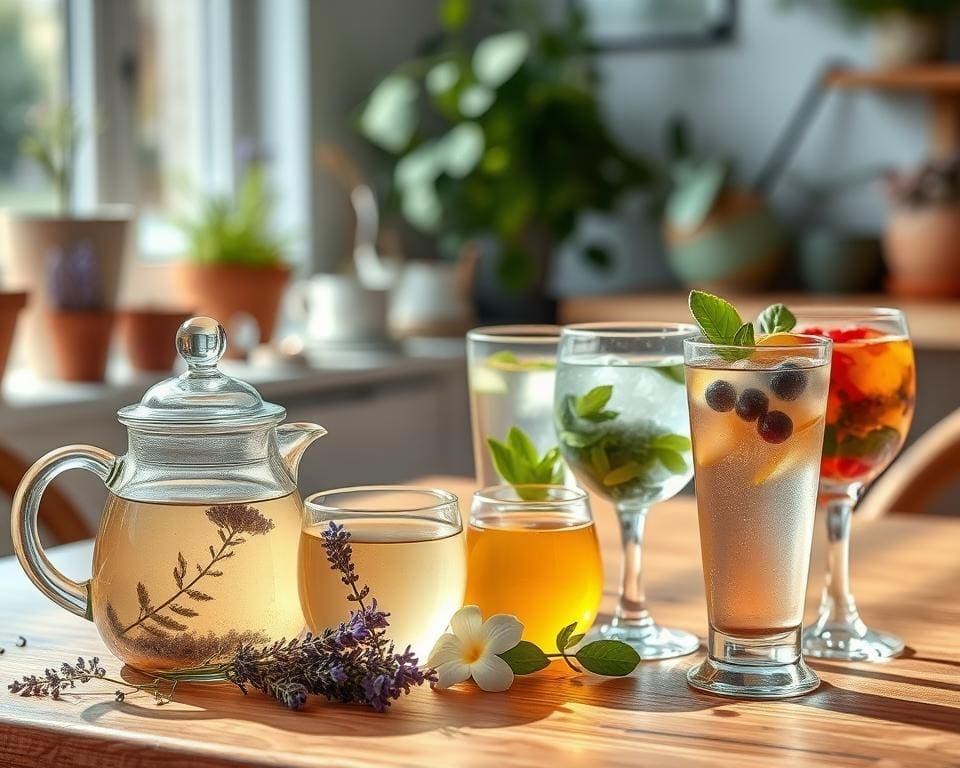
This short introduction outlines a product-review style exploration of relaxing drinks for 2026. We compare natural calming beverages and drinks for relaxation across categories such as herbal teas, adaptogenic blends, non-alcoholic alternatives and traditional warm night-time drinks. Our aim is to guide UK readers toward safe, effective choices for calm and better sleep.
We intend to inform British consumers about effective sleep drinks and stress relief beverages UK, to compare well-known brands and product types, and to set clear testing criteria. The reviews balance evidence-based benefits, tasting notes and practical preparation tips so you can pick what suits your routine.
Interest in plant-based, low-alcohol and functional drinks has grown as wellbeing becomes central to daily life. We note the Food Standards Agency guidance on botanicals and remind readers to check ingredient lists and dosing for supplements sold in the UK before use.
The article is organised by category: herbal and floral teas, adaptogen and botanical beverages, alcohol-free options, and warm milk or fortified sleep beverages. Each section offers benefits, safety considerations and sensory commentary to help you evaluate relaxing drinks for personal use.
This guide is written for busy professionals, parents, shift workers and health-conscious consumers seeking non-pharmaceutical ways to unwind. Use the buying guide in Section 7 to test products yourself and consult a healthcare professional before combining supplements with medications or during pregnancy.
What does lifestyle mean in 2026?
In 2026, lifestyle describes a balanced, joined-up way of living where mental health, sleep quality, social connection and environmental impact sit at the centre. People treat drinks as tools for daily rhythm: a focus blend for morning, a calm tonic for afternoon, a wind-down cup for evening. This outlook answers the question, What does lifestyle mean in 2026? by linking habit, science and ethics.
Personalisation is now common. Bespoke mixes, low-dose functional shots and subscription plans tailor beverages to stress profiles, sleep data or gut markers. Clean label demands push brands to list adaptogen species and concentrations with lab certificates. Sustainability shapes packaging choices and supplier partnerships.
Experience design matters. Aroma-forward blends, textured oat drinks and ritual kits pair drinks with breathing exercises or playlists. Cross-category partnerships between beverage brands and sleep-tech or wellness apps grow faster than traditional product launches.
How beverage choices reflect modern wellbeing priorities
Consumers move away from high-caffeine and alcohol-centric relaxation. Plant-first formulations, lower-alcohol options and alcohol-free choices rise in popularity. Ingredients such as L-theanine and magnesium sit alongside adaptogens like ashwagandha for daytime resilience.
Interest in gut–brain links fuels additions of probiotics and prebiotic fibres to calming drinks. These shifts appear in lists of lifestyle trends 2026 and in data on relaxation drink trends across the UK market.
Shopping and sourcing: what consumers expect
Buyers want easy access through supermarkets such as Sainsbury’s, Tesco and Waitrose, health retailers like Holland & Barrett and specialist brands that offer online subscriptions. Clear origin labelling, fair-trade marks on ashwagandha and organic certification for herbal teas are now baseline expectations.
- Transparent testing: certificates of analysis for contaminants and heavy metals.
- Ethical supply chains: recyclable packaging and proof of sustainable harvesting.
- Value choices: price sensitivity balanced against clinical evidence and provenance.
These shifts inform how wellbeing beverages UK evolve and why sustainable sourcing drinks remain a top buyer concern. Reviewers and shoppers should check provenance, clinical backing and sensory quality when choosing new calm-focused products.
Herbal and floral teas for calm and sleep
Herbal and floral teas remain a gentle, ritual-friendly route to rest. These infusions are widely available across UK shops and online, offering low-risk ways to wind down. Many people reach for herbal teas for sleep to create a predictable bedtime habit that soothes both mind and body.
Chamomile: benefits and best preparations
Chamomile has a long history as a mild sleep aid. Randomised controlled trials report modest improvements in sleep quality and reduced anxiety for some users. The active components, such as apigenin and other flavonoids, may act on GABA pathways to promote relaxation.
For best results, use loose-leaf or teabags steeped in freshly boiled water for 5–10 minutes. Stronger infusions suit night-time use. Choose certified organic brands like Pukka or Clipper to lower pesticide exposure. Pukka’s Night Time and Clipper Organic Chamomile are popular in the UK and pair well with a dash of honey.
Lavender and lemon balm blends
Lavender (Lavandula angustifolia) offers a distinct floral aroma that many find soothing. Lemon balm (Melissa officinalis) adds a light citrus-herb note and shows mild anxiolytic effects in small human studies. Blends combine lavender tea calming properties with lemon balm tea’s gentle mood support.
Steep blends for 3–8 minutes to balance aroma and flavour. Neal’s Yard Remedies, Pukka and supermarket artisan ranges provide balanced options. Be mindful that lavender can dominate; choose mixtures where lemon balm softens the profile for an herbaceous, slightly citrus experience.
Decaffeinated options and caffeine considerations
Caffeine has a half-life of several hours and can disrupt sleep when consumed late in the day. Sensitive individuals should avoid green and black teas after mid-afternoon. True caffeine-free choices are herbal tisanes; decaffeinated camellia sinensis teas still hold trace caffeine.
Rooibos is naturally caffeine-free and often naturally sweet, making it a solid evening choice. Look for decaffeinated calming drinks from trusted labels such as Clipper or Twinings, or explore independent blenders who craft night-time mixes. Pregnant or breastfeeding women and those on sedatives or anticoagulants should consult a clinician before regular use, and anyone with ragweed allergies should take care with chamomile.
- Try a chamomile infusion for mild insomnia and anxiety relief.
- Mix lavender and lemon balm for a floral, calming cup.
- Choose rooibos or herbal tisanes for true caffeine-free evenings.
Functional beverages with adaptogens and botanicals
Functional botanical beverages are appearing on shelves and in cafés with promises to help calm the mind and support resilience to daily stress. These drinks blend traditional herbs with modern formulations so consumers can sip adaptogen-rich blends as part of a daily routine. Expect a range from teas and tonics to effervescent shots designed for convenience and taste.
What adaptogens are and how they may support relaxation
Adaptogens are a class of herbs thought to help the body manage stress and restore balance. Common examples include ashwagandha, rhodiola, holy basil (tulsi) and eleuthero. Research shows some promise for ashwagandha in lowering perceived stress and aiding sleep. Trials for rhodiola suggest benefits for fatigue and stress-related symptoms.
These herbs are not quick sedatives. Effects often build with regular use and vary by extract quality and dose. Proposed mechanisms include modulation of the HPA axis and influence on neurotransmitters. More robust human studies are needed to define optimal formulations and clinical benefit.
Popular commercial products to review
- Ready-to-drink sodas and bottled elixirs: non-alcoholic aperitif-style botanical blends and bottled adaptogen elixirs that are sold in the UK market.
- RTD options from coffee and tea brands that add adaptogens to their lines, offering a familiar format for newcomers.
- Powders and shots: single-serve ashwagandha powder mixes and magnesium plus herbal sleep shots found at retailers such as Holland & Barrett.
- Tea sachets and tonic concentrates: herbal blends from established labels that combine adaptogens with chamomile or lemon balm for a calmer cup.
When reviewing products, check the botanical part used, extract standardisation such as percentage withanolides for ashwagandha, clinical dosing, sweetness level and presence of preservatives. Taste and mouthfeel matter as much as claimed benefits when choosing an everyday beverage.
Potential interactions and safety notes
Some adaptogens can interact with medicines. Ashwagandha may alter effects of sedatives, thyroid treatments or immunosuppressants. Rhodiola can affect antidepressant or stimulant therapies. People taking prescription drugs should consult a GP or pharmacist before using these drinks regularly.
Quality varies between brands. Unstandardised products can have inconsistent active compounds. Look for standardised extracts and third-party testing when possible. Start at a low dose to monitor tolerance; adverse effects may include mild stomach upset or drowsiness.
Vulnerable groups should take care. Pregnant or breastfeeding women, children and those with autoimmune conditions should follow MHRA and FSA guidance and seek professional advice before trying adaptogen drinks UK or ashwagandha beverages. Rhodiola relaxation drinks are not suitable for everyone, so err on the side of caution.
Non-alcoholic and low-alcohol alternatives for social relaxation
Social moments call for ritual, flavour and calm without next-day effects. The UK scene now offers a wide range of alcohol-free social drinks that keep the convivial feel of an evening while prioritising clear-headed relaxation.
When choosing alcohol-free wines, beers and spirit-style alternatives, check labelling closely. Definitions matter: certified 0.0% options guarantee complete sobriety, dealcoholised wines may register up to 0.5% ABV and low-alcohol spirits or beers commonly sit between 1–3%.
Look for producers who use gentle dealcoholisation like vacuum distillation or reverse osmosis to preserve aromatics. Depth of flavour, balanced bitterness and botanical complexity are quality markers. Pay attention to residual sugar and calories; some alcohol-free wines taste sweeter to mask the missing alcohol warmth.
- Brands to sample in the UK: Noughty for sparkling, Big Drop Brewing Co. for low/0.5% beers, Seedlip and Lyre’s for spirit-style options, plus supermarket 0.0% ranges from Sainsbury’s and Tesco.
- For a practical non-alcoholic wine review, compare aroma, mouthfeel and finish across methods of production rather than only price.
Crafted mocktails raise the bar for alcohol-free social drinking. Use tea-based syrups, chamomile or lavender infusions and citrus to balance sweetness. Low-quinine tonics or artisan mixers from Fever-Tree and Fentimans pair well with non-alcoholic spirit alternatives.
Bar technique matters. Fresh herbs, citrus zest and mindful glassware transform a simple drink into a calming ritual. Ice, gentle stirring and layered aromatics invite slower sipping and a greater sense of relaxation.
- For relaxing mocktails, combine a chamomile syrup, fresh lemon and a splash of Ceder’s or Seedlip, top with Fever-Tree botanical tonic and garnish with thyme.
- Try a low-alcohol spirits spritz: a measured dash of aperitif-style low-alcohol spirit, soda, blood orange and rosemary for aromatic depth.
- Balance sweetness by adding a touch of bittering agent or grapefruit to reduce cloying notes in some alcohol-free wines.
Consider calming ingredients such as lavender, chamomile and food-form hemp seed oil where permitted. Adaptogen syrups and herbal bitters can add complexity while avoiding stimulants.
Presentation reinforces relaxation. A well-chosen glass, attentive garnish and paced serving give alcohol-free social drinks the same ceremonial value as traditional cocktails. That moment of care often makes the drink feel more satisfying.
Warm milk, oat drinks and natural chamomile blends
A bedtime drink can be a small ritual that signals the body to unwind. For many people in the UK a gently warmed cup offers comfort and a predictable end to the day. Warming a favourite drink, be it dairy or plant-based, helps with relaxation through warmth and mouthfeel rather than strong pharmacology.
Traditional warm drinks for bedtime relaxation
Warm milk for sleep has a long cultural history. Milk contains tryptophan, an amino acid linked to serotonin and melatonin pathways, but amounts are modest. The calming effect often comes from ritual and the drop in core temperature that follows a warm drink.
Plant-based alternatives mirror that same ritual. An oat drink bedtime option, from brands such as Oatly or Rude Health, offers a creamy texture that many find soothing. These drinks work well warmed and pair naturally with a chamomile night drink or a light lavender infusion.
Simple preparation tips improve the experience. Heat slowly to avoid scalding, steep a chamomile bag briefly, add a teaspoon of honey or malt extract if you like sweetness, and finish with a dusting of cinnamon for aroma and comfort.
Fortified and enriched sleep-support beverages
Manufacturers now offer fortified sleep beverages UK shoppers can buy in supermarkets and health stores. Some products are milk with magnesium or plant milks boosted with B vitamins and calming amino acids. These options aim to combine nutrition with a soothing nightly routine.
Be mindful of regulation and labelling. In the UK melatonin is treated differently from minerals and vitamins. Check whether a product is sold as a food or a medicine before purchasing. Read labels for dosing and total daily intake, especially with magnesium-fortified lines.
Evidence and safety notes are practical to consider. Magnesium may help sleep quality for people with a deficiency. L-theanine can promote relaxation without notable sedation. Glycine has shown benefit in small trials at around 3 g per dose. Speak to a pharmacist or GP if you take medication or have health concerns.
Practical buying tips
- Choose reputable brands and check nutrition panels for total nutrient amounts.
- If trying a milk with magnesium, compare elemental magnesium per serving to RNI guidance.
- For an oat drink bedtime treat, prefer minimally sweetened blends and consider those with added calcium and B vitamins.
- Pair a chamomile night drink with a warm base rather than boiling it, to preserve delicate flavours.
How to choose and review relaxing drinks: buying guide and testing criteria
Choose a drink with a clear purpose: immediate calm, bedtime support, social ritual or long-term resilience. Check labels for active ingredients and standardised extracts such as ashwagandha withanolide percentage. Avoid vague proprietary blends that hide doses and favour brands that publish certificates of analysis and third‑party lab results. This buying guide relaxing drinks approach helps you compare value per serving and format—teabags, loose leaf, RTD or powder—so you pick what fits your routine.
When assessing safety and evidence, prioritise products that cite clinical studies or provide transparent ingredient audits. Note contraindications for pregnancy and common drug interactions, and consult a GP or pharmacist if you take medication. Use drink review criteria that include packaging clarity, expiry and batch codes, and whether the product lists botanical species and amounts per serving.
For sensory and usability testing, score aroma, flavour, mouthfeel and aftertaste at recommended strength. Practical test criteria calming drinks UK suggest a reproducible protocol: record a baseline relaxation score (0–10), then rate again 30–60 minutes after consumption. For sleep products, keep a simple sleep diary over 1–2 weeks and log any side effects. Also assess ease of preparation, steep times and whether the drink can be adjusted for strength or sweetness.
Factor in provenance and sustainability: look for organic certification, fair trade sourcing and recyclable packaging. Follow a shopper checklist—read labels for doses, start with trial sizes, prefer brands with published test results, and combine beverages with good sleep hygiene and mindful rituals. This practical framework gives reviewers and shoppers clear test criteria calming drinks UK and a consistent method for how to choose calming beverages.