
Deciding when is the right time to renovate your bathroom blends practical need with personal desire. In many UK homes — from Victorian terraces to 1960s semi-detached houses — ageing fittings, inefficient plumbing and outdated layouts push owners to consider bathroom refurbishment sooner rather than later.
Look first at structure and safety: damp, loose tiles, persistent mould or old pipework are clear signs to renovate bathroom spaces. Building regulations, including Part G and guidance on water-efficient products, also affect bathroom remodelling UK projects and can inform timing and specification choices.
Beyond repairs, think about use and lifestyle. Growing families, accessibility needs or a wish for a calmer, spa-like sanctuary are strong triggers for change. A well-timed bathroom renovation can boost property value, cut water bills, and deliver lasting comfort.
This article will guide you through recognising the main prompts to act, balancing bathroom renovation timing with budget and season, and preparing to work with professionals so the refurbishment meets both practical and emotional goals.
When is the right time to renovate your bathroom?
Deciding when to update bathroom space blends practical signals with personal goals. Spotting clear bathroom renovation signs early can save money and protect your home. Read on to recognise common issues and to weigh functional triggers against emotional and lifestyle reasons for change.
Signs your bathroom needs attention
Damp and mould that returns despite cleaning points to failing ventilation or hidden leaks. Check extractor fans, trickle vents and follow Building Regulations Approved Document F for guidance on airflow and moisture control.
Small tiling stains or soft skirting may mean water ingress. Look for discoloured ceilings below bathrooms. Untreated leaks risk rot to joists and timber floors, so act before damage spreads.
Ageing bathroom fixtures such as old-style cisterns, single-spray showers and inefficient taps raise water bills. Seek WRAS-approved fittings and water-efficiency labelling when replacing boilers or taps.
Safety hazards include loose grab rails, slippery surfaces and poor lighting. These are vital to address where older or mobility-impaired household members use the room.
Persistent plumbing failures, slow drains or unreliable hot water point to a need for comprehensive inspection. Repeated blockages may mean re-piping or a larger overhaul is required.
Functional triggers for renovation
New technology can transform comfort and running costs. Consider thermostatic shower valves, underfloor heating and LED lighting to improve thermal comfort and reduce bills.
Layout changes unlock better use of space. Converting a separate WC with a bathroom into a larger family bathroom or adding an en suite boosts convenience and value. Reconfiguring for a wheelchair-accessible wet-room supports longer-term independence.
Compliance is a trigger when work affects ventilation, drainage or floor coverings in loft and basement conversions. Follow UK building regulations and waste-water rules to avoid costly rework.
When repair bills start to mount, compare them with replacement costs. Frequent, costly fixes often make a full renovation the more economical choice over time.
Emotional and lifestyle reasons
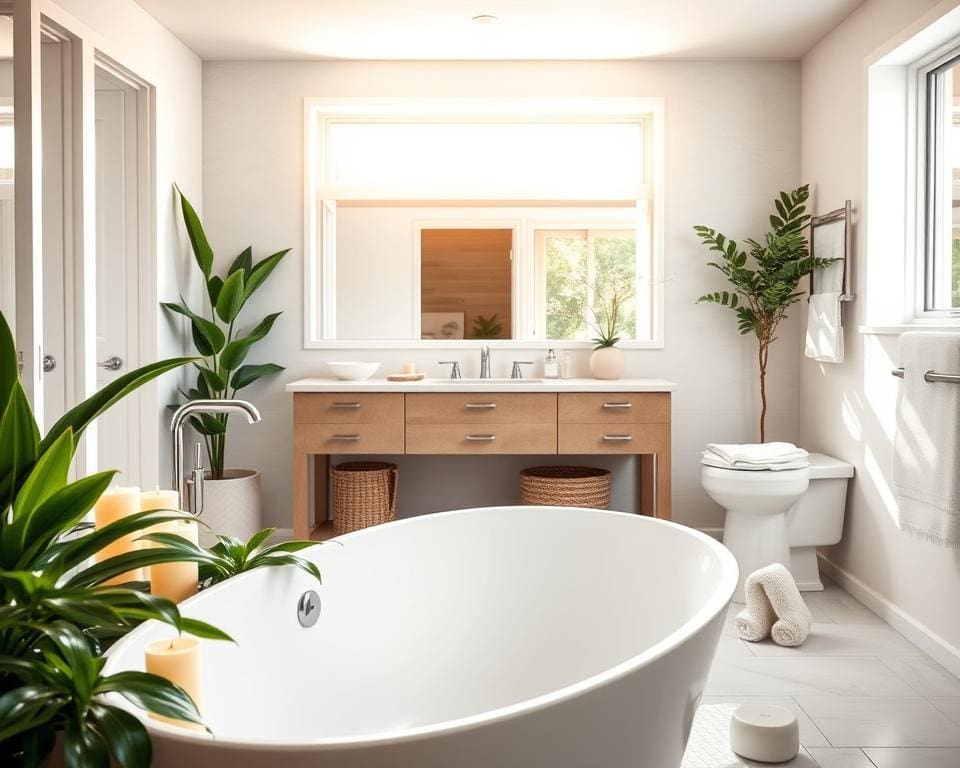
Many homeowners seek a bathroom that feels like a sanctuary. Contemporary tiles, a freestanding bath, ambient lighting and clever storage all lift wellbeing and daily enjoyment.
Changing family needs prompt updates. A family bathroom upgrade with durable, easy-clean surfaces reduces maintenance and suits busy households.
Preparing to sell motivates tasteful modernisation. Neutral palettes and quality finishes often deliver strong return on investment in UK markets, especially in urban areas where buyers prefer ready-to-use bathrooms.
Life events such as moving in, downsizing or post-purchase renovation are valid reasons to act. A targeted bathroom update can mark a new chapter and add long-term comfort to your home.
How to decide the right timing for a bathroom renovation
Choosing when to start a bathroom project mixes practical checks with clear planning. Think about your budget for bathroom renovation, how long works will take and the uplift you hope to achieve. Small choices now save stress later.
Assessing budget and return on investment
Begin by grading your spend into three bands: economy, mid-range and premium. Economy covers re-grouting, a fresh coat of paint and new taps. Mid-range includes new sanitaryware, tiling and better heating. Premium embraces structural changes, bespoke cabinetry and underfloor heating.
Typical UK cost guidance helps set expectations. A small cosmetic refurb often sits around £3,000–£8,000. A full mid-range refit usually ranges from £8,000–£18,000. Luxury or structural projects commonly start from £18,000 and rise from there.
Request several itemised quotes and compare line by line. Aim for a clear specification naming brands such as Grohe or Ideal Standard and details like tile size and grout colour. This reduces on-site decisions that delay work.
Think about ROI bathroom upgrade when choosing finishes. Neutral design, clever storage and good lighting often give stronger percentage returns than lavish fittings that exceed neighbourhood norms. Over-capitalising can harm resale value.
Plan funding with care. Options include personal savings, 0% credit cards for short-term borrowing, home improvement loans or remortgaging. Check interest costs and long-term affordability. Add a contingency of 10–20% to cover surprises like hidden rot or old wiring.
Planning around seasons and scheduling
Consider the best season to renovate bathroom. Late spring to early autumn is usually ideal because warmer, drier conditions speed plaster and tile curing and make scheduling tradespeople easier.
Be aware of lead times. Tiles, showers and specialist fittings can take several weeks to arrive. Order early and confirm delivery dates to match the work programme.
Minimise disruption with phased works or temporary alternatives. Use an en-suite, a neighbour’s facilities or a temporary bathroom unit if needed. Arrange trades in sequence: demolition, structural work, plumbing and electrical, plastering, tiling, decorating and final installation.
Set realistic duration expectations. A small refit commonly takes 1–2 weeks. A full refit can need 3–6 weeks. Complex structural or replumb projects may take longer. Communicate timescales clearly with contractors.
Working with professionals
Build a reliable team: a bathroom designer, a builder or general contractor, a qualified plumber and an NICEIC-registered electrician. If gas appliances are involved, hire Gas Safe-registered engineers. Include specialist tilers and plasterers where needed.
Check credentials, reviews and proof of insurance. Look for trade body membership such as the Federation of Master Builders. Ask for written guarantees and manufacturer warranties for showers, boilers and fittings.
Obtain at least three detailed, itemised quotes and agree a written contract that sets scope, timelines and payment schedule. Name a single point of contact to manage the site and schedule regular progress checks with sign-off at key milestones.
When you decide to hire bathroom fitter UK, ensure their quote lists materials, brands and waterproofing systems like Schluter or Wedi. Clear specifications reduce disputes and keep the project on time and on budget.
Practical preparation and what to expect during renovation
Start bathroom renovation preparation by planning practical arrangements for the household. Decide on alternative bathing options, such as using an en‑suite, a relative’s home or a local gym. Pack away toiletries and valuables, protect adjacent rooms with dust sheets and seal doors, and set aside a secure, dry space for delivered materials to avoid clutter and damage.
Prioritise health and safety at home. Keep children and pets well away from the work area and ask the contractor for risk assessments that follow Health and Safety Executive guidance. Arrange safe disposal of sharp waste and old fixtures, and ensure any tradespeople carry suitable public liability insurance and operate to recognised standards.
Organise site preparation and surveys before work begins. Commission plumbing and electrical checks, and get a structural appraisal if walls or joists will change. For older properties, arrange an asbestos survey where relevant. Coordinate deliveries to prevent street congestion and ensure timber, tiles and adhesives are stored securely and dry on site.
Know the typical sequence so you understand what to expect during bathroom renovation. Work usually starts with strip‑out, then structural and services work, followed by waterproofing and screeding. Once surfaces are ready, tiling and fitting of baths, showers, basins and sanitaryware take place, then decoration and finishing touches. A practical completion checklist should include testing hot water, checking for leaks, inspecting grout and sealant lines, and confirming extractor fans and electrics meet standards.
At handover, collect as‑built drawings, guarantees, manufacturer warranties and any building control completion certificates. For aftercare, re‑seal grout annually, keep the extractor running to reduce condensation and service thermostatic valves as recommended. Expect surprises sometimes, but thorough bathroom site preparation, a clear brief and a professional team make living with renovation UK manageable and lead to a calm, long‑lasting result that adds value and comfort.