
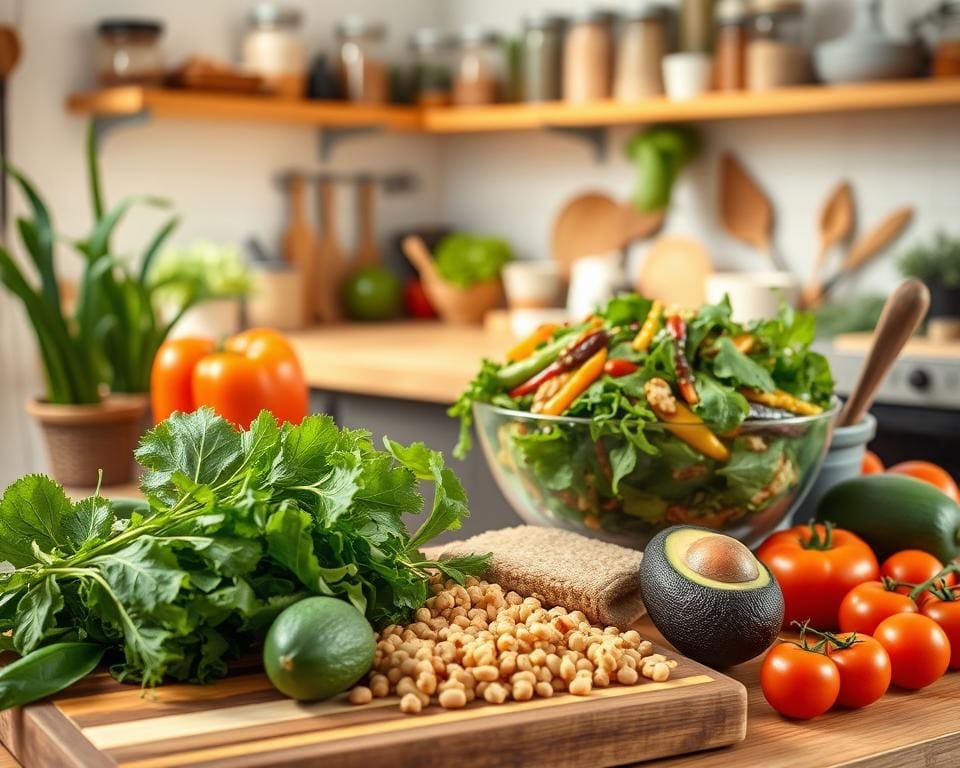
Plant-based foods describe meals and diets centred on vegetables, fruit, legumes, whole grains, nuts and seeds, while limiting or excluding animal products. A plant-based diet can mean different things: some people follow strict vegan rules, others adopt vegetarian patterns, and many in the UK prefer a flexitarian approach that reduces meat without rigid restrictions.
Interest in plant-based nutrition UK has grown for health, ethical and environmental reasons. Supermarkets and brands such as Tesco, Waitrose, Sainsbury’s, Alpro, Oatly and Quorn now offer wider ranges of alternatives, making plant-based eating easier to start and sustain.
This article serves as a practical, inspirational guide to the benefits of plant-based eating. It combines lifestyle advice, vegan and vegetarian essentials, nutritional clarity and product-review style pointers to help you choose and evaluate options mindfully.
Follow the structure that comes next: everyday mindful habits, evidence-based health benefits, key nutrients to watch, shopping and cooking tips, sustainability impacts, product review pointers and sensible transition strategies. The piece is aimed at UK readers seeking realistic steps and inspiration rather than strict dietary dogma, and it draws on peer-reviewed research, NHS guidance and reliable product information.
How do you live more mindfully every day?
Small changes create lasting habits when you aim for plant-based mindfulness. Begin with gentle practices that slot into a busy British week. A few simple shifts can make meals calmer, shopping greener and cooking more present.
Daily rituals that centre your eating habits
Start mornings with a mindful glass of water and a bowl of porridge or fresh fruit. Pause before meals to breathe and check hunger cues. Eat at set times without screens to protect attention and flavour.
Set a mealtime intention and chew slowly, aiming for 20–30 chews per mouthful. Use smaller plates and take a two-minute gratitude pause to acknowledge the food’s origin. These daily eating rituals support digestion, reduce overeating and deepen appreciation of textures.
Mindful shopping: choosing seasonal and local produce
Choose seasonal produce UK offers for better taste and higher nutrient density. In late spring you might pick British asparagus and strawberries. In winter focus on root vegetables and kale for heartiness and value.
Shop at farmers’ markets, local greengrocers and farm shops to reduce transport emissions and support supply chains. Use a simple shopping list to avoid impulse buys and cut food waste. Prioritise whole foods over ultra-processed items to keep meals wholesome and satisfying.
Simple meal-preparation practices for presence and calm
Adopt mise en place to make cooking predictable and less frantic. Play a short playlist or set a timer to create a calm rhythm. Use aromatics such as garlic, onion and lemon zest to anchor your senses while you cook.
Batch-prep vegetables one day a week and use slow-cookers for soups and stews that require little attention. Practise single-tasking at the hob: focus on one dish to turn cooking into a meditative act. Starting with easy recipes builds confidence and can reduce anxiety, while strengthening plant-based mindfulness in everyday life.
Health benefits of plant-based foods for the body and mind
Switching towards meals centred on vegetables, fruit, whole grains, legumes and nuts brings wide-ranging rewards for both body and mind. Public health guidance in the UK recommends plant-forward eating as a way to lower long-term risk for chronic illness and to support everyday wellbeing.
Cardiovascular and metabolic advantages supported by evidence
Large meta-analyses show that diets rich in plant foods are linked with reduced risk of coronary heart disease, stroke and type 2 diabetes. NHS guidance and other UK public health bodies highlight plant-forward patterns as protective.
These effects come from multiple mechanisms. Lower intakes of saturated fat help improve blood lipid profiles. Greater intake of wholegrains, legumes and vegetables supports better blood-pressure control and insulin sensitivity.
Nuts such as walnuts and a regular serving of pulses have been shown to lower LDL cholesterol. Adopting plant-based meals part-time, for example Meat-Free Mondays, can produce measurable improvements in cardiovascular risk markers.
Mental wellbeing: the link between diet, mood and cognition
Research is emerging that high-quality plant-based diets associate with lower rates of depression and better cognitive health. One proposed pathway is increased gut microbiome diversity driven by fibre and diverse plant compounds.
Anti-inflammatory phytonutrients and steady blood glucose from whole foods may support mood stability and clearer thinking. Foods linked to better mental wellbeing include leafy greens, berries, wholegrains, fermented vegetables and key omega-3 sources such as flaxseed and walnuts.
Most studies remain observational, so causation is not firmly established. Personalised choices work best; a dietitian can help tailor a plan that supports both mood and cognitive goals.
Nutrient highlights: fibre, phytonutrients and antioxidants
Dietary fibre is central to gut health, satiety and cholesterol lowering. UK guidance suggests aiming for around 30 g fibre a day; pulses, oats, wholegrains, fruit and vegetables are practical sources.
Phytonutrients and antioxidants are abundant in colourful produce. Polyphenols and carotenoids help reduce oxidative stress and inflammation, supporting long-term health.
- Berries deliver anthocyanins that protect neurons and blood vessels.
- Tomatoes supply lycopene, linked with reduced oxidative damage.
- Cruciferous veg contain glucosinolates that support detoxification pathways.
- Legumes and wholegrains provide resistant starch for gut microbes.
Emphasising these foods enhances the health benefits plant-based patterns offer, from cardiovascular health vegan diet outcomes to improved diet and mental wellbeing through fibre benefits and antioxidants plant foods.
Essential nutrients to watch in a plant-based diet
Switching to more plants brings many benefits, yet a few nutrients need attention to keep you energised and well. This short guide highlights practical choices and portion ideas so you can plan meals with confidence. It focuses on plant-based nutrients that matter most for long-term health.
Protein sources and how to combine them
Reliable vegan protein sources include beans, lentils, chickpeas, tofu, tempeh, seitan, edamame, quinoa, nuts and seeds. UK shoppers can find Cauldron tofu, Clearspring tempeh alternatives and supermarket own-brand pulses easily.
Combine legumes with grains across the day rather than forcing a single meal pairing. For example, rice and beans or hummus with wholegrain pita give complementary amino acids when eaten within the same day.
As a practical target, aim for a palm-sized portion of tofu or ½–1 cup of cooked legumes per meal. Small, regular portions help you meet protein needs without overthinking each plate.
Vitamin B12, iron and strategies for adequate intake
Vitamin B12 does not occur reliably in unfortified plant foods. Choose fortified nut milks, breakfast cereals and yeast extracts that list B12, or follow NHS guidance on daily or weekly supplements. Routine blood checks help spot shortfalls early.
Iron plant-based sources include lentils, spinach and fortified cereals. Non-haem iron absorbs less efficiently than animal iron. Pair iron-rich meals with vitamin C foods like citrus or red peppers to boost uptake.
Avoid tea or coffee around iron-rich meals, since tannins reduce absorption. Try recipes such as lentil dahl with lemon and coriander to combine flavour with smart nutrition.
Calcium, vitamin D and omega-3 alternatives
Vegan calcium and omega-3 options are widely available. Fortified plant milks from Alpro or Oatly, tofu set with calcium sulphate, kale, almonds and tahini contribute to daily calcium needs. Absorption varies between foods, so aim to meet UK reference intakes.
Vitamin D has limited dietary sources in the UK. Seek sun exposure when possible and consider supplements in autumn and winter as advised by Public Health England. Some margarines and fortified milks add vitamin D to the diet.
For omega-3, include ALA-rich foods such as flaxseed, chia and walnuts. People needing long-chain DHA may prefer an algal supplement, which suits vegans and is useful for pregnant or breastfeeding women.
Practical shopping guide for plant-based living
Start with a simple plant-based shopping list that keeps meals reliable and varied. A clear list saves time, reduces waste and makes healthy choices easier when life gets busy. Centre your trolley on whole foods, long-life basics and a few fresh items each week.
Pantry staples to keep on hand
Stock shelves with dried and canned pulses such as lentils, chickpeas and kidney beans. Add brown rice, wholewheat pasta, oats and tinned tomatoes for fast meals. Canned coconut milk, nut butters, stock cubes and a balanced selection of dried herbs and spices broaden recipe options.
Keep seeds, nuts and a couple of flours for baking and binding. Refrigerate firm tofu, tempeh, fortified plant milks from Alpro or Oatly, and miso paste. Buy fresh seasonal fruit and vegetables weekly to keep costs down and flavour high. For UK shoppers, look for vegan pantry staples UK at Tesco, Sainsbury’s Taste the Difference plant options, M&S Plant Kitchen or Holland & Barrett for bulk seeds.
How to read labels and avoid ultra-processed choices
When you read food labels, start with the ingredient list. Prefer items where whole foods appear first. A short list with familiar names usually signals a cleaner product. Check the nutrition panel for salt and sugar per 100g, not per portion.
Learn the NOVA framework to spot ultra-processed foods. The category includes products with many additives, stabilisers or artificial flavours. Compare a homemade bean burger made from beans, oats and spices with a pre-packed version high in stabilisers and sodium. Choose items with transparent ingredient sourcing and steer clear of long lists of unfamiliar additives to avoid ultra-processed foods.
Budget-friendly swaps and seasonal buying tips
Buy dried pulses instead of tinned to save money and reduce packaging. Frozen vegetables often cost less and retain nutrients. Own-brand items at supermarkets are usually cheaper without sacrificing quality. Use loyalty schemes and weekly offers from retailers to lower your bill.
Choose British seasonal produce for better prices and taste. In winter, rely on root vegetables, cabbage and apples. In summer, pick broad beans, peas and berries when they are at peak value. Bulk cook and batch-freeze portions to cut per-meal costs and make busy days simple.
Additional budget vegan tips
- Plan a weekly menu and stick to your plant-based shopping list to avoid impulse buys.
- Buy larger packs of oats, rice and pulses for better unit prices.
- Swap pricier meat alternatives for homemade versions using beans and grains.
Cooking tips and simple recipes to start today
Good food can be quick, nourishing and made with a calm kitchen routine. These practical tips help you move from recipe scrolling to real plates. Try a mix of weeknight favourites and make-ahead staples to keep evenings simple and joyful.
One-pot dishes save time and washing up. Think a one-pot lentil and tomato stew, chickpea and spinach curry, or a vegetable and barley soup that simmers while you tidy. Use red lentils for fast stews and choose an Instant Pot or pressure cooker when you need speed.
A 30-minute tray-bake with seasonal veg and tofu gives roast-like textures without fuss. These plant-based recipes one-pot ideas fit busy lives and scale easily for families.
Batch cooking keeps evenings effortless. Cook a large pot of lentil ragu, chickpea curry or bean chilli and portion into tubs. Store for quick lunches and dinners across the week.
Freeze portions for 2–3 months and label each tub with the date. Reheat until piping hot throughout, aiming for 75°C. Freeze leftover vegetable stock in ice-cube trays to add deep flavour to soups and stews later.
For rhythm, pick one prep day a week, such as Sunday. Prepare staples for 3–4 days and top up the freezer with a couple of freezer-friendly plant-based meals for unpredictable evenings.
Building flavour in vegan dishes is an art you can learn. Start with base aromas: onion, garlic and carrots sweated until soft. Add toasted spices for depth and finish with fresh herbs.
Umami is key to satisfaction. Use tomatoes, mushrooms, miso, tamari or soy sauce, dried porcini and nutritional yeast sparingly to boost savoury notes. Caramelised onions and roasted carrots lend natural sweetness and balance.
Combine herbs and spices to create layers: fresh parsley or coriander at the end, toasted cumin or smoked paprika earlier, and a splash of lemon or vinegar to lift the dish. These building flavour vegan strategies make simple meals feel crafted.
Try a few starter recipes to practise techniques: smoky black bean tacos, miso aubergine with sesame and spring onion, or lemon-tahini roasted cauliflower. Small experiments yield big rewards in taste and confidence.
- One-pot weeknight: chickpea and spinach curry with red lentils for speed.
- Batch favourite: lentil ragu frozen in meal-sized tubs.
- Flavour trick: a teaspoon of miso or a handful of dried porcini for umami plant-based depth.
Sustainable eating: environmental impact of plant-based foods
Choosing plant-forward meals can cut greenhouse-gas emissions and ease pressure on land and water. A shift from red meat towards legumes, grains and seasonal vegetables lowers personal carbon footprints while supporting long-term food security. Small changes often deliver meaningful gains for the planet.
Carbon footprint comparisons with animal-based diets
Lifecycle analyses show that, on average, pulses and cereals use far less land and water than beef or lamb. Foods such as beans, lentils and oats typically have a smaller plant-based environmental impact than ruminant meat and dairy. A carbon footprint vegetarian approach that replaces some red meat with plant proteins will usually reduce greenhouse-gas output.
Not every plant food is low impact. Avocado imports and out-of-season greenhouse produce can raise emissions. Choosing local, seasonal options and prioritising staples cuts those risks.
Reducing food waste and composting at home
Wasting less food is an easy way to lower your household footprint. Plan meals, freeze extras and turn leftovers into soups, stews or chickpea‑flour frittatas. Learn the difference between best-before and use-by dates to avoid needless disposal.
For composting in the UK, councils often provide food-waste collections. Home options include hot composters and bokashi systems that handle wet waste. Community compost hubs are growing across towns, offering a low-effort route to recycle kitchen scraps.
Small habits help: make vegetable stock from trimmings, bake overripe fruit into muffins or blitz it into smoothies, and crisp stale bread into croutons.
Supporting sustainable producers and fair supply chains
Buy from verified schemes when possible. Rainforest Alliance and Fairtrade cover many tropical crops. The Soil Association certifies organic produce in the UK. Look for transparency from farms, sellers and brands rather than relying on packaging alone.
Explore farm-to-shop projects, Community Supported Agriculture (CSA) schemes and farmers’ markets that show provenance. Brands such as Oatly publish environmental reports, while Innocent and Ben & Jerry’s disclose elements of their sustainability work; read those reports to separate marketing from measurable action.
- Start by swapping one red-meat meal a week for legumes.
- Use council services or a home composter to reduce waste.
- Support ethical food suppliers and local farmers where possible.
Product review pointers for choosing plant-based products
Choosing the right plant-based product starts with curiosity and a few clear checks. A quick, steady approach helps you avoid greenwashing and pick items that suit taste, nutrition and budget. Use short trials and trusted UK reviews to guide decisions.
What to check on packaging and ingredient lists
First, read the ingredient list vegan style: ingredients appear in order by weight. Look for whole foods near the top, not sugar or refined starches. Check for fortification with vitamin B12, calcium and vitamin D when the product substitutes dairy.
Scan nutrition panels for saturated fat and salt. Some products use coconut oil, which raises saturated fat, while highly processed items can be sodium-heavy. Note allergens and additives so you can match the product to your needs.
Watch out for vague language such as “natural” or “plant-powered.” Seek certification marks and clear sourcing information. Check country of origin and producer details to assess transparency and ethical standards.
Evaluating taste, texture and nutritional profile
To evaluate plant-based taste texture, focus on mouthfeel, seasoning balance and how close the product is to the food it replaces. A burger should be satisfying, not chalky or rubbery. Milks and yoghurts should be smooth, not thin or grainy.
Compare per-portion protein, fibre, sugar, salt and saturated fat. Some plant-based sausages deliver high protein but also elevated sodium. Balance enjoyment with moderation by checking labels before you buy.
Try single units or smaller packs, then consult reliable UK sources such as Which? and The Guardian’s food section for broader testing notes. Trial-and-error helps refine preferences and reduces waste.
Price vs quality: how to assess value
Assessing price vs quality vegan products UK means looking at cost per 100 g or per portion alongside nutritional density. A cheaper product that lacks protein or fibre can lead to unsatisfying meals and wasted food.
Compare premium brands like Beyond Meat, Moving Mountains and Linda McCartney with supermarket own-label options during promotions. Making simple homemade versions of processed items can save money while giving control over ingredients.
Keep a short product trial log recording taste, texture, price and a basic nutritional score. Over time, the log becomes a personal guide for repeat purchases that reflect both taste and value.
Transition strategies and overcoming common challenges
Start small and steady when you transition to plant-based eating. Try Meat-Free Mondays, swap one meal per day to a plant-based option, or follow a flexitarian roadmap that cuts animal products over several weeks. A structured 30-day plan with weekly goals — such as increasing pulses, learning three new recipes and checking B12 supplementation — keeps progress clear and achievable.
Use social support to stay motivated. Involve family or friends, join local groups or online communities like Reddit UK plant-based threads and Facebook vegan recipe groups for ideas and encouragement. When dining out in the UK, pre-check pub or restaurant menus, call ahead, suggest plant-friendly dishes to companions, or bring a simple packable meal to events to avoid social anxiety.
Manage nutrition and cravings by prioritising protein and fibre-rich meals and adding umami flavours for satisfaction. Reiterate B12 supplementation, plan meals rich in iron and calcium, and consider blood tests if you make major dietary changes. If energy dips, reassess calorie and protein intake and consult a registered dietitian through the British Dietetic Association for personalised advice.
Focus on inspiring motives rather than strict bans to ease long-term adherence. Track small metrics like plant-based meals per week, money saved or favourite recipes, and mark milestones with non-food rewards such as a new cookbook from Yotam Ottolenghi. These plant-based transition tips UK address practical and psychological barriers while offering realistic routes for overcoming vegan challenges during your switch to plant-based diet.