
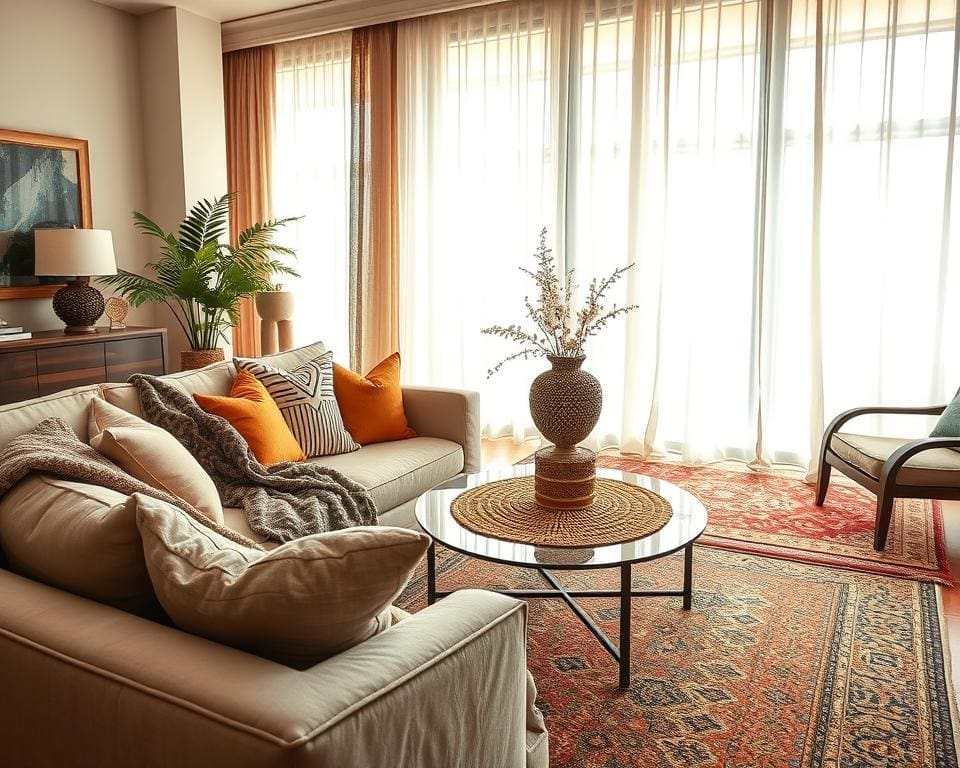
Textiles are the quiet architects of a room’s mood. From curtains to cushions, they shape atmosphere, comfort and the visual focus of a space. Understanding what role do textiles play in interior design helps homeowners and designers make choices that affect acoustics, thermal performance and tactile delight.
As one of the earliest domestic crafts, fabrics carry cultural weight. Think of William Morris and the Arts and Crafts movement, the enduring patterns of Liberty London, or heritage tartans and plaids that speak to British homes and history. These examples show how textiles in interior design link past and present through pattern, print and technique.
Practically, textiles offer cost‑effective change. Slipcovers, rugs and throws refresh a room without building work. For renters and seasonal styling, fabric choices deliver big impact with little fuss. The fabric impact on interiors can be immediate and reversible, making textiles a favoured tool for both designers and homeowners.
This article will explore definitions and sensory effects, choices for mood, texture and colour, practical performance and care, and how textiles finish a scheme. It aims to inspire readers across the UK to see the role of fabrics in decorating as both creative and pragmatic.
What role do textiles play in interior design?
Textiles shape how a room looks, feels and performs. They range from upholstery and curtains to rugs, throws, cushions, bedding, table linens and wall hangings. Understanding textiles definition interior design helps designers pick the right fibre, weave and finish for each purpose.
Defining textiles in the context of interiors
Start with fibres and constructions. Natural fibres include cotton, linen, wool and silk. Synthetics such as polyester, nylon and acrylic offer different durability and cost profiles.
Constructions matter too: woven, knitted, tufted, pile and jacquard create distinct looks and wear characteristics. Technical terms guide choice: thread count for bedding, Martindale and Wyzenbeek rub tests for upholstery, pile height for carpets and fabric weight in gsm.
Emotional and sensory impact of fabrics
Fabrics influence mood through sight and touch. Soft velvets and woollens bring warmth and comfort. Crisp linens and cottons convey freshness and lightness.
Acoustic and thermal effects are practical benefits. Heavy drapery and thick rugs absorb sound, reduce echo and help insulate open-plan spaces. These properties add to the fabrics sensory impact a room delivers.
Colour and texture trigger feelings. Boucle and nubby weaves feel cosy, silks and satins suggest elegance, distressed linens lend relaxed authenticity. This range of responses forms the emotional impact of fabrics on occupants.
Textiles as a design language: storytelling through material
Textiles tell stories about lifestyle, era and taste. Heritage prints or Harris Tweed convey tradition. Minimal neutral weaves suggest contemporary restraint. Choices reveal intent.
Pattern, provenance and craft add authenticity. Liberty prints, Osborne & Little and Sanderson offer recognisable signatures. Kilims, ikats and Scottish tartans evoke travel and regional identity.
Textiles storytelling can be literal or subtle. Monogrammed linens signal personalised luxury. GOTS organic cotton and Oeko-Tex certified fabrics express ethical commitment. Each selection builds narrative through surface, texture and provenance.
Choosing fabrics for mood, texture and colour
Textiles shape how a room feels at first touch and on closer inspection. Thoughtful choosing fabrics mood texture colour lets you control light, scale and comfort while reflecting personal style. Below are practical ways to use texture, colour and layers to transform interiors across the UK.
How fabric texture alters perceived space and comfort
Use a simple tactile vocabulary when specifying materials. Smooth options such as silk and satin reflect light and give a room an airy, larger feel. Nubby weaves like bouclé and tweed add a restless, tactile quality that reads as relaxed and lived-in.
Plush fabrics such as velvet feel warm and luxurious. Crisp linens bring a fresh, breathable edge. Flat weaves like canvas offer durability and a clean visual line.
Light-reflective smooth surfaces make rooms feel larger and brighter. Matte, textured surfaces absorb light and create intimacy. In small rooms choose low-pile, flat weaves to avoid visual clutter. For larger spaces, introduce oversized textured rugs or heavy velvets to add proportion and warmth.
Colour selection and pattern scale for different rooms
Match palette to purpose. Bedrooms suit calming neutrals and cool blues for restful sleep. Social spaces such as kitchens and dining rooms welcome energetic warm tones and bolder patterns to encourage conversation.
Consider natural light and orientation. North-facing rooms in the UK benefit from warmer tones and more reflective fabrics to offset cool daylight. South-facing rooms can take deeper colours and denser textures without appearing dim.
Follow simple pattern scale rules. Small patterns work well on accessories like cushions and lampshades. Large-scale motifs suit sofas, feature curtains and statement rugs. Mix scales to guide the eye and create balance across a room.
Layering textiles to create depth and visual interest
Layering textiles builds comfort and character. Start with base layers such as sofa upholstery and the main rug. Add secondary layers like throws, scatter cushions and smaller rugs. Finish with accents such as pouffes and window sheers.
Use the rule of threes: mix at least three different textures and two or three coordinating colours or patterns to avoid monotony. This keeps arrangements lively and cohesive.
Seasonal rotation refreshes both look and thermal comfort. Swap lightweight cottons and linen in summer for wool and velvet in winter. Thoughtful layering textiles ensures interiors feel both inviting and practical all year round.
Practical considerations: durability, maintenance and sustainability
Choosing textiles is about more than looks. You need fabrics that last, clean easily and meet your values. This short guide covers wear metrics, everyday care and how to choose sustainable options that suit British homes.
Fabric performance: wear, stain resistance and suitability for use
Durability is measurable. Martindale and Wyzenbeek rub tests show how fabrics handle abrasion. For light domestic upholstery aim for 15,000–25,000 rubs. For family rooms choose 30,000+ rubs.
Fibre matters. Wool hides soil, resists flame and wears well. Cotton breathes but can stain unless treated. Linen is strong yet creases. Synthetics such as polyester and acrylic give stain resistance and colourfastness.
Match fabric to room. High-traffic living rooms benefit from performance blends, Crypton or Sunbrella for sunny conservatories and outdoor seating. Bedrooms suit softer natural fibres for comfort and quiet luxury.
Cleaning and care tips for common upholstery and soft furnishings
Regular care extends life. Vacuum regularly with an upholstery attachment. Deal with spills quickly by blotting, not rubbing. Schedule professional cleaning for upholstery and rugs at sensible intervals.
- Wool: brush and spot clean with gentle detergent; test first.
- Cotton: removable covers can be laundered; treat stains promptly.
- Linen: cool wash and air dry to avoid shrinkage; press while damp.
- Velvet: use a soft brush and steam for pile recovery; avoid heavy scrubbing.
Use trusted products sold in the UK market. Ecover offers gentle cleaners for routine care. For stubborn stains try specialist formulations from brands such as Dr. Beckmann. When in doubt, consult local carpet and upholstery cleaners for professional treatment.
Sustainable and ethical textile choices for eco-conscious interiors
Look for credible labels. GOTS, Oeko‑Tex Standard 100, Responsible Wool Standard, Bluesign and GRS signal better environmental and social practice.
Choose fibres that reduce impact. Organic cotton, hemp, Tencel (lyocell) and recycled polyester are practical choices. Responsibly sourced wool from certified British mills supports local supply chains and durable performance.
UK retailers and makers are responding. John Lewis & Partners and specialist fabric suppliers list certified linens and upcycled upholstery fabrics. Independent mills are reviving traditional wool production while adopting low-impact dyes.
Sustainability grows from longevity. Selecting repairable, timeless textiles and prioritising fabric durability upholstery performance reduces waste more than chasing cheap, fast options.
Fabric cleaning care tips and careful buying decisions let you enjoy beautiful interiors that are practical and kind to the planet. Consider certified materials and eco-friendly fabrics UK when you specify textiles for your next scheme.
Textiles as functional design elements and finishing touches
Textiles act as both practical tools and decorative accents in the home. Curtains and blinds control light and privacy, while rugs define zones and add thermal insulation on hard floors. Upholstery shapes comfort and posture, and cushions and throws provide quick, affordable updates that refresh a room’s mood.
Beyond looks, textiles improve a room’s acoustic and thermal performance. Heavy curtains and layered rugs absorb sound and retain heat, which is particularly useful in many UK homes with wooden floors and older glazing. Choosing interlined or blackout fabrics for bedrooms can boost warmth and darkness, while sheer layers allow daytime privacy without losing daylight.
For finishing touches, think in layers. Start with a neutral anchor fabric, introduce a dominant pattern, then add supporting textures and a bright accent. Curate cushion combinations by mixing scale and texture, drape throws artfully, and use runners or table linens to tie dining areas together. Test swatches in situ under morning and evening light before committing.
Look to British suppliers for quality and inspiration: Liberty London for signature prints, Sanderson and Designers Guild for classic and modern collections, John Lewis & Partners for accessible quality, and Loaf or Made.com for relaxed textiles. Current trends favour artisan handwoven textures, tactile boucle, sustainable fibres and multifunctional textiles—washable covers and compact rugs suit smaller urban homes. Textiles functional design elements and soft furnishings finishing touches like curtains blinds cushions rugs remain some of the most immediate ways to shape atmosphere, express personality and solve practical problems.