
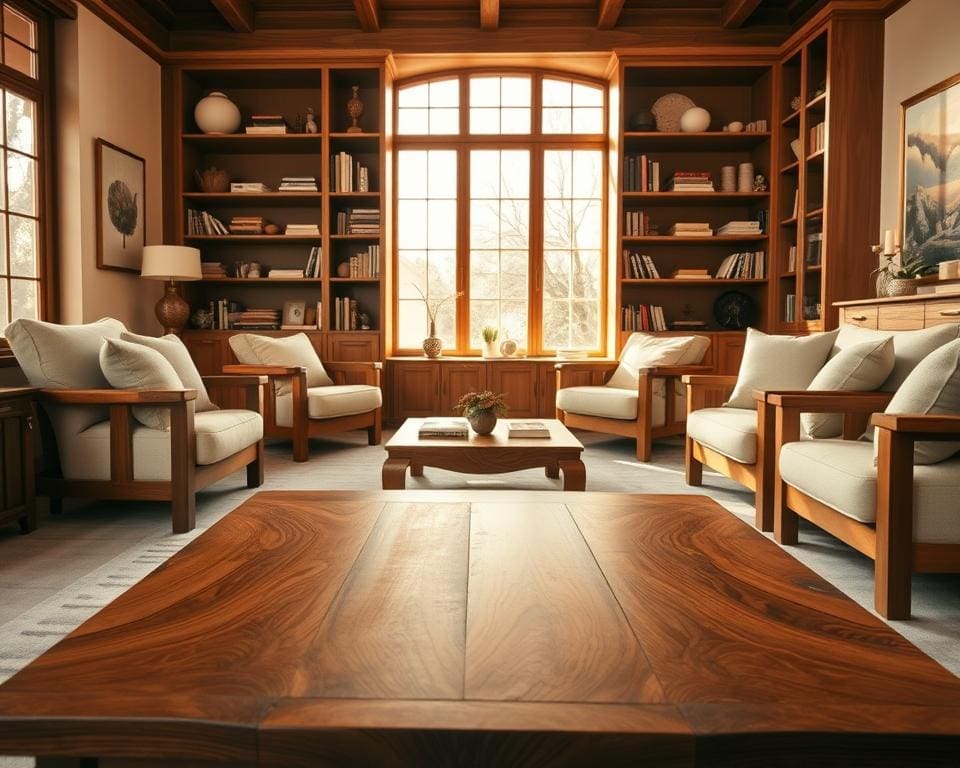
Wooden furniture has an undeniable allure, perfectly combining both beauty and functionality to create timeless furniture pieces that evoke warmth in decor. The rich, natural materials utilised in the crafting of these items resonate deeply in the realm of interior design, establishing a connection that transcends trends and fads. From intricate carvings to sleek, modern lines, each piece tells a story, reflecting both the skill of the artisan and the cultural significance wood has held in homes across the globe.
As we delve deeper into the enchanting world of wooden furniture, we will explore the unique attributes that help to create a comforting and inviting atmosphere, solidifying its status as a beloved choice for generations.
The Enduring Appeal of Wooden Furniture
The legacy of wooden furniture is deeply rooted in history, showcasing sophisticated craftsmanship in wood that has withstood the challenges of time. Historical wooden furniture, crafted from enduring materials like oak, not only possesses aesthetic beauty but also embodies the rich traditions of various cultures. Each piece tells its own story, connecting generations through its cultural significance of wood and the skilled artisans who refined their techniques over centuries.
Historical Significance and Craftsmanship
Wood has always been a preferred material for furniture owing to its versatility and durability. Traditional craftsmanship techniques, such as dovetail joints and intricate carvings, reflect a commitment to quality that elevates wooden pieces to the status of heritage furniture. This craftsmanship in wood preserves not just the physical attributes of each item but also the historical narratives associated with different styles and periods.
Cultural Associations with Wood
The cultural significance of wood extends beyond mere functionality. Various traditions and folklore around the world celebrate wood’s utilitarian and symbolic roles. In many cultures, wooden furniture is often linked to familial connections and heritage, representing continuity and stability within homes. The warm, inviting presence of heritage furniture fosters an emotional connection, making it a beloved fixture in countless households. For those interested in oak furniture, learn more about its timeless appeal and craftsmanship here.
Natural Aesthetics of Wood
Wooden furniture brings a unique charm to any space, primarily due to its distinctive natural wood aesthetics. The patterns within the wood grain tell a story of their own, showcasing the beauty of nature in our homes. Each piece, whether an oak dining table or a walnut bookcase, reflects the individuality of the material, enhancing the overall atmosphere.
The Unique Grain and Texture
The wood grain patterns found in different wood types contribute significantly to the texture in furniture, offering both visual appeal and tactile richness. Oak and walnut are celebrated for their durability and sophisticated grain, while lighter woods like cherry and maple evoke a fresh, airy feeling that can brighten up a room. The organic variations in tone and texture create warmth, encouraging a sense of relaxation and well-being in living spaces.
How Wood Complements Various Decor Styles
Wood’s versatility makes it a prime choice for complementing decor styles, spanning from rustic to modern aesthetics. Rustic designs showcase artisanal craftsmanship and natural finishes, employing earthy colour palettes that highlight the wood’s inherent beauty. In contrast, modern styles lean towards sleek lines and polished finishes, ensuring that the texture in furniture contributes to a sophisticated vibe. This adaptability allows wooden elements to capably bridge various design preferences, making them timeless within any home.
Incorporating pieces with rich textures and distinct grain patterns fosters not only visual interest but also an inviting atmosphere. As you explore the possibilities, consider how these elements can transform your space, drawing from the natural beauty of wood to enrich your home.
What makes wooden furniture timeless and warm?
The emotional connection to furniture plays a vital role in the allure that wooden pieces hold. These items often weave together stories from our lives, materialising memories that fill homes with warmth. The tactile qualities of wood, alongside its natural beauty, evoke a comforting atmosphere, making these pieces feel inviting and cherished.
The Emotional Connection to Wood
Wood furniture stands out not merely for its aesthetics but for the personal significance of wood that resonates deeply with many individuals. Each finite grain tells a story, recalling cherished moments spent with loved ones. From a beautifully crafted dining table where families gather to share meals to a lovingly restored armchair that cradles evening reading sessions, the presence of wooden furniture evokes nostalgia.
This emotional connection transforms wooden pieces into more than just objects. They become repositories of experiences, holding laughter and tears within their structure. The sensory warmth in wooden pieces adds an inviting touch, enhancing the feeling of home. As families grow and life unfolds, these items often find new roles, bridging generations and connecting the past with the present.
Quality and Durability of Wooden Furniture
The quality and durability of wooden furniture play a significant role in its lasting appeal. Well-crafted pieces exemplify the longevity of craftsmanship, ensuring that they can withstand the test of time. Solid wood tables crafted from materials such as oak, maple, and cherry offer an inherent strength that provides both functionality and beauty.
The Longevity of Well-Made Pieces
The durability of wooden furniture is largely influenced by the construction techniques employed during its creation. Joinery methods like mortise and tenon or dovetail joints contribute to the structural integrity of a furniture piece, enabling it to bear weight and resist movement effectively. Solid hardwoods combined with quality craftsmanship create an enchanting warmth that enhances any interior space.
How Maintenance Affects Warmth and Timelessness
Regular furniture maintenance is essential for preserving wood and ensuring that its beauty remains intact over the years. Simple practices such as polishing, cleaning, and oiling surfaces not only extend the lifespan of wooden furniture but also help maintain its warmth and character. A well-maintained table can become a cherished family heirloom, representing countless memories and gatherings. Insights into maintaining your wooden pieces can be found at this resource.
Sustainable Practices in Wooden Furniture Production
The commitment to sustainability has become a vital aspect of the wooden furniture industry, contributing to the appeal of sustainable wooden furniture. Consumers are increasingly drawn to eco-friendly practices that not only enhance the aesthetic of their homes but also reflect their values towards the environment. By prioritising responsible sourcing of wood, manufacturers can offer pieces that embody both beauty and ethical considerations.
Utilising reclaimed wood is one significant method of fostering sustainability within the sector. This practice not only reduces waste but also infuses furniture with a unique history and character, making each piece distinct. Alongside reclaimed materials, sustainable forestry techniques play a crucial role in ensuring that wood is harvested responsibly, thereby minimising environmental impact. Certifications such as FSC (Forest Stewardship Council) empower consumers to make informed choices, guiding them toward more environmentally friendly furniture options.
Understanding these sustainable practices enables consumers to appreciate not only the aesthetics and functionality of wooden furniture but also its deeper, ethical implications. Each responsibly produced item embodies a piece of the commitment to a healthier planet, reinforcing its timelessness and warmth in any living space. As the desire for eco-conscious living continues to rise, investing in sustainable wooden furniture represents a thoughtful choice for a more harmonious future.