
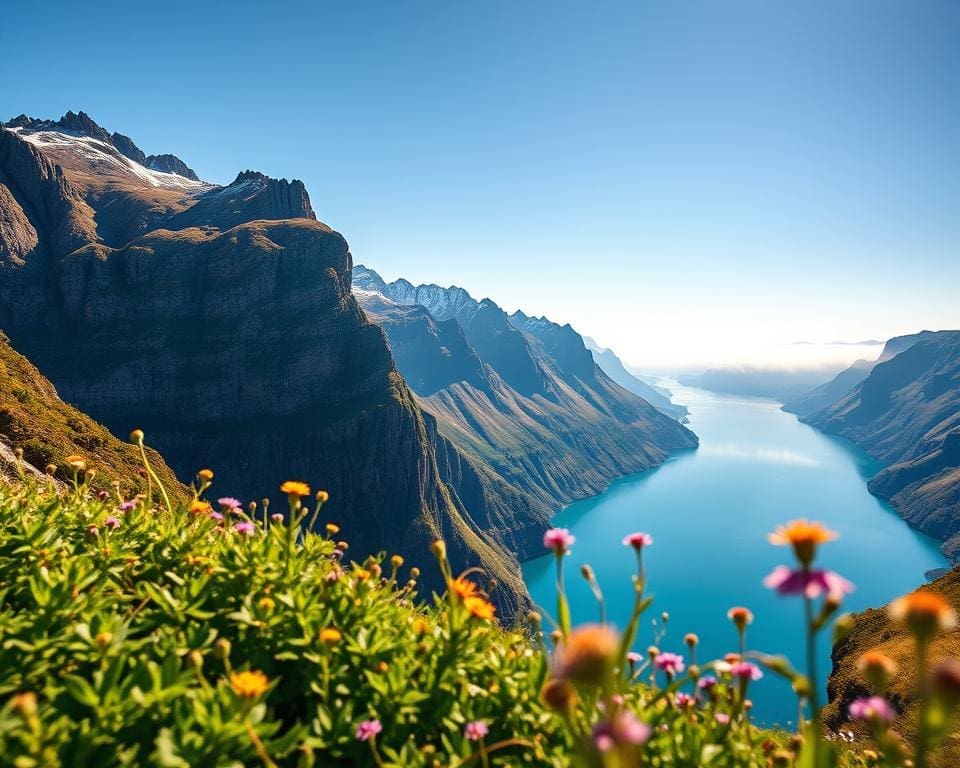
The Norwegian fjords stand as a testament to nature’s brilliance, offering breathtaking landscapes that captivate the soul. Carved by glacial activity over millennia, they showcase the serene beauty and grandeur that only the stunning natural wonders of Norway can provide. These iconic fjords, with their steep cliffs and deep blue waters, represent more than just picturesque views; they embody a significant aspect of Norway’s identity, deeply intertwined with local culture and ecological preservation. Join us as we delve into the enchanting world of the Norwegian fjords, exploring what makes them a must-visit destination for anyone seeking to experience the sublime artistry of nature.
The Awe-Inspiring Landscape of the Norwegian Fjords
The stunning landscape of the Norwegian fjords is a testament to nature’s artistry, shaped by centuries of glacial activity. The dramatic geological formations result from the ancient glaciers that carved deep valleys and created breathtaking cliffs that now stand sentinel over serene waters. This unique intermingling of natural beauty and geological history draws many to experience fjord tourism in this majestic region.
Geological Origins and Features
Witnessing the effects of glacial activity on the Norwegian landscape reveals just how powerful nature can be. Through the millennia, glaciers advanced and retreated, sculpting the topography into the majestic features visible today. The combination of granite and volcanic rock contributes to the distinct appearance of these geological formations, making them a fascinating subject for both geologists and enthusiasts alike.
Notable Fjords to Visit
Among the most remarkable fjords, Geirangerfjord and Nærøyfjord, both designated UNESCO World Heritage Sites, showcase spectacular views and abundant natural wonders. Geirangerfjord captivates with its stunning waterfalls, including the renowned Seven Sisters, creating a picturesque backdrop for visitors. Conversely, Sognefjord, known as Norway’s longest and deepest fjord, stretches an impressive 205 kilometres. Surrounded by lush valleys and charming villages such as Flam, it offers endless opportunities for exploration and adventure.
Each fjord presents a myriad of experiences, from tranquil boat cruises to exhilarating hikes, ensuring these natural wonders remain essential stops on any travel itinerary through Norway.
What makes the Norwegian fjords so breathtaking?
The Norwegian fjords are renowned for their stunning natural beauty, encapsulating a wealth of visual wonders. Among their many features, the clear waters and impressive geological formations stand out, providing a remarkable experience for visitors.
The Crystal-Clear Waters
The clear waters of the fjords present a sight that is simply enchanting. This transparency can be attributed to minimal pollution and limited agricultural activity in the region. With visibility that seems almost unreal, onlookers can appreciate the vibrant underwater life. Underneath the surface, a rich marine biodiversity thrives, showcasing various species like cod and herring amidst lush aquatic vegetation. These elements enhance the overall scenic beauty, making it a haven for landscape photography enthusiasts eager to capture the interplay of light on water.
Majestic Cliffs and Mountains
Rising dramatically from the water’s edge, the towering cliffs of the Norwegian fjords illustrate the country’s geological wonders. With some cliffs soaring over 1,400 metres, these natural monuments create a breathtaking panorama that simply cannot be overlooked. Iconic formations such as the picturesque mountains surrounding Preikestolen offer unrivalled views, inviting adventurers and photographers to savour their majesty. The juxtaposition of rugged cliffs against the tranquil waters adds a captivating dynamic to the experience, ensuring that every corner of the fjord provides an opportunity for awe-inspiring exploration.
Flora and Fauna of the Fjords
The Norwegian fjords offer a stunning representation of unique ecosystems, where the rich interplay of topography and climate fosters remarkable biodiversity. These ecosystems are not only home to a wide range of plant species, contributing to the region’s flora diversity, but they also support a vibrant community of wildlife. Exploring the fjords reveals a captivating tapestry of life, enriching your visit with unforgettable animal encounters.
Unique Ecosystems
In these deep, narrow inlets, varying microclimates create distinct habitats, allowing both marine and terrestrial species to thrive. The lush birch forests transition into alpine meadows, showcasing a remarkable range of flora diversity unique to each fjord. The nutrient-rich waters sustain abundant marine life, including various fish, crustaceans, and molluscs, further illustrating the importance of biodiversity in these thriving ecosystems.
Wildlife Spotting Opportunities
Wildlife spotting in the fjords offers thrilling experiences for nature lovers. Visitors frequently catch glimpses of otters and seals lounging on the rocky shores, while reindeer grace the fjord edges. Bird watching is particularly rewarding, with puffins, eagles, and numerous migratory birds showcasing the avian diversity of the region. For those with a passion for marine life, whale watching tours, especially around Lofoten and Andenes, provide opportunities to encounter majestic species like orcas and humpback whales, adding to the thrill of exploring the fjords.
Cultural Significance of the Fjords
The Norwegian fjords embody a profound cultural history that resonates with the echoes of the past. Their stunning landscapes not only captivate visitors but also narrate the rich narratives of Viking heritage. This region played a pivotal role for Viking explorers and traders, facilitating cultural exchanges that shaped both local and European identities.
Historic Viking Heritage
Viking heritage remains a cornerstone of the Norwegian fjords’ identity. The fjords served as vital routes for seafaring Norsemen, who left behind archaeological evidence still visible today. Numerous sites showcase remnants of ancient settlements, offering glimpses into their lives and societal structures. Institutions like the Viking Ship Museum in Oslo present artefacts that highlight this intriguing historical significance, making it clear how the fjords contributed to the broader narrative of Norwegian culture.
Local Communities and Traditions
Surrounding the fjords, local communities engage in cultural practices that reflect their longstanding connection to the landscape. These communities are marked by a deep reverence for traditions shaped by fishing, farming, and tourism. Festivals, such as the Norse Festival in Gudvangen, prominently display local culture through traditional music, dance, and crafts. Participating in such events allows visitors to experience the vibrant traditions that preserve the essence of fjord life. Engaging with these customs reveals the resilience and enduring spirit of the communities that call this breathtaking region home.
Activities to Experience in the Fjords
Exploring the Norwegian fjords presents a plethora of opportunities for those seeking adventure. Whether you prefer kayaking across crystal-clear waters or hiking along breathtaking trails, this stunning region offers various outdoor adventures for everyone.
Kayaking and Boat Tours
Kayaking provides a unique perspective of the fjords, allowing paddlers to get up close to their dramatic cliffs and serene waters. Navigating through narrow inlets presents intimate encounters with wildlife and nature’s exquisite beauty. Numerous companies organise guided kayaking tours that prioritise safety while offering insights about the local ecology and the historical significance of the area. For those looking for a leisurely experience, boat tours are available, ranging from serene sightseeing trips to exhilarating excursions. These boat tours enhance the overall adventure experience, making it possible to appreciate the fjords’ grandeur from the water.
Hiking Trails with Stunning Views
The network of hiking trails in the fjords caters to all skill levels, inviting outdoor enthusiasts to immerse themselves in nature’s splendour. Popular hikes, like the trek to Trolltunga or Romsdalseggen, provide hikers with magnificent panoramic vistas that reward their efforts. Well-marked paths and experienced local guides lead the way, often incorporating educational talks about the flora, fauna, and geology of the fjords. Hiking through these trails presents a fantastic opportunity to connect with the stunning landscape and create lasting memories of your outdoor adventures.
Best Times to Visit the Norwegian Fjords
The best time to visit the Norwegian fjords generally falls between late spring (May to June) and early autumn (September). These months offer milder weather, which enhances the experience of exploring the breathtaking landscapes that Norway has to offer. During this period, the flora bursts into bloom, painting the scenery in vibrant colours, making it ideal for those seeking the most picturesque vistas.
Summer, in particular, provides extended daylight hours, allowing for longer adventures in the great outdoors. Whether you’re kayaking through tranquil waters or hiking the majestic cliffs, the added sunlight creates an enchanting atmosphere. Visitors can take full advantage of seasonal travel opportunities and immerse themselves in various outdoor activities while enjoying the natural beauty of the fjords.
Alternatively, autumn can be a splendid time to visit. The foliage transforms into a symphony of reds, oranges, and yellows, creating a stunning backdrop that is perfect for photography. Additionally, with fewer tourists around compared to the summer months, the experience can be more intimate and peaceful. Remember to stay informed of the weather variability in the fjord regions when planning your trip, as conditions can change rapidly, significantly impacting your travel plans and activities.