
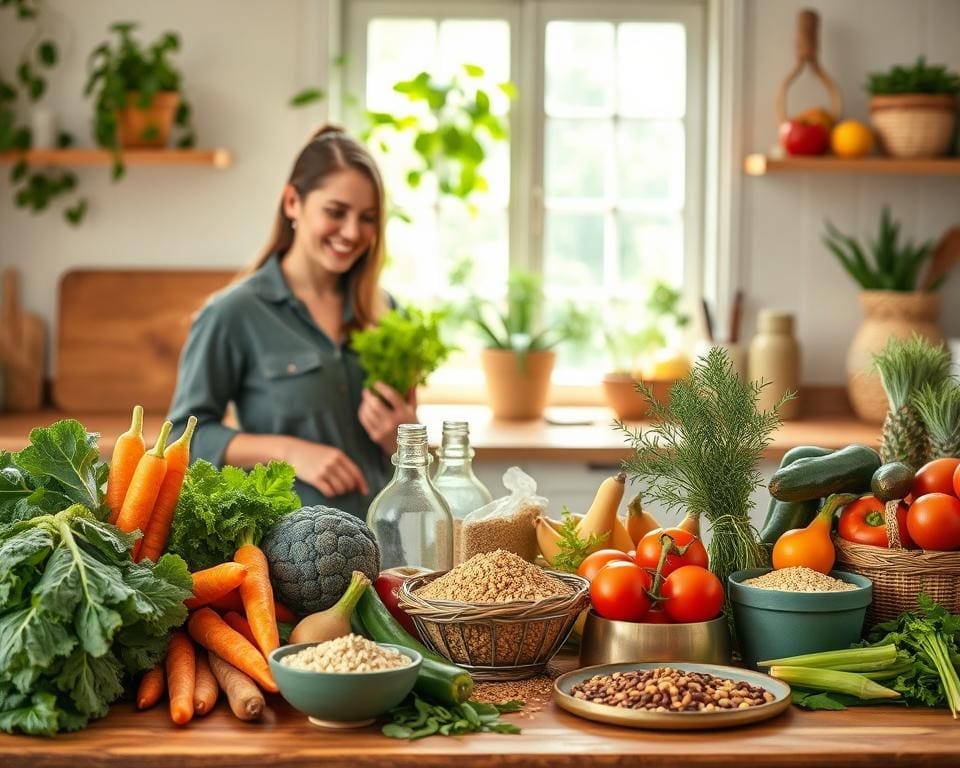
Sustainable food choices mean selecting foods and eating patterns that reduce environmental impact, support fair labour and local economies, and promote health for individuals and communities. In practice this covers lower emissions, smarter use of water and land, support for farmers through fair pay, and dietary patterns that favour whole, seasonal produce. These choices form the three pillars of environmental sustainability, social sustainability and nutritional sustainability.
In the UK interest in sustainable nutrition is growing fast. Organisations such as WWF and the UK Committee on Climate Change recommend shifts towards more plant‑forward diets and less waste. Retail trends reflect this: rise in plant‑based products, and growth of local food box schemes like Abel & Cole and Riverford make an eco‑friendly food choices approach easier for households.
This article explores the benefits of sustainable eating for health, environment and society, and will review practical products available in the UK. Readers who care about a sustainable diet UK will find guidance, trustworthy product suggestions and simple steps to bring sustainable nutrition into daily life.
We also consider the question, “What helps you slow down mentally?” and show how slowing down through mindful, slower meals links directly to better food choices and less waste. The aim is to inspire action with clear, practical ideas rather than simply prescribe rules.
Why sustainable food choices matter for health and longevity
Choosing foods that respect the seasons and remain close to their natural form helps the body today and into later life. Seasonal foods benefits are clear when produce is picked ripe in the UK; apples and brassicas bought in season keep more vitamin C and glucosinolates. That makes simple swaps like roasted carrots or steamed kale an easy way to boost daily nutrient intake.
Whole foods nutrition supports steady energy and bowel health. Whole grains, legumes, nuts and fresh vegetables supply fibre, micronutrients and phytochemicals linked to lower risk of cardiovascular disease, type 2 diabetes and some cancers. NHS Eatwell guidance encourages plant-rich meals, which aligns with research showing plant-forward health benefits reduce all-cause mortality.
Minimising processed products cuts unnecessary additives and limits pesticide residues. Choosing organic or minimally processed items can lower pesticide exposure health risks and reduce intake of excess sugar, salt and saturated fat. The Soil Association and UK Organic Standards provide assurance for buyers seeking lower residues.
Sustainable diets longevity comes from patterns, not single meals. Emphasising plant foods with moderate animal products and fewer ultra-processed items supports gut diversity, steady blood sugar and lower inflammation. These factors help with healthier ageing and better quality of life.
Practical tips include adding more legumes and whole grains, choosing seasonal vegetables like leeks and root veg, and favouring sustainably sourced oily fish for omega‑3s. Small changes build lasting habits that increase nutrient variety and reduce reliance on ready meals high in salt and saturated fat.
Environmental advantages of choosing sustainable food
Choosing food with care changes the way our landscapes and skies behave. This short section looks at three clear benefits: cutting emissions, rebuilding soils and protecting wildlife. Each area links back to practical choices UK shoppers can make today.
Lower greenhouse gas emissions from plant‑forward diets
Shifting meals towards vegetables, pulses and mycoprotein reduces the carbon intensity of what we eat. Research from the UN FAO and UK studies shows that swapping some red meat for beans or Quorn lowers personal footprints.
Retailers such as Tesco and Sainsbury’s now offer plant‑based options that make plant‑based emissions reduction simple for families. Small swaps at dinner have a measurable impact on food and climate change.
Soil health and regenerative agriculture practices
Regenerative approaches rebuild soil organic matter, lock carbon underground and improve water retention. Techniques like cover crops, diverse rotations and reduced tillage form the backbone of regenerative agriculture UK projects.
Groups such as the Soil Association and the Sustainable Food Trust promote soil health practices that help farmers cut fertiliser use and protect waterways. Strong soils support resilient harvests and steady yields.
Biodiversity preservation and reduced habitat loss
Intensive monocultures and land conversion harm wildlife and shrink habitats. Farms that diversify crops and maintain hedgerows support pollinators, birds and native plants.
UK schemes such as Countryside Stewardship reward wildlife‑friendly measures. Choosing certified fish or produce from farmers who back landscape‑scale conservation links consumer spending with biodiversity in farming.
Economic and social benefits of sustainable food systems
Building resilient food systems creates value beyond the plate. When shoppers choose seasonal veg, farm shop produce or a veg box, they feed local jobs, bolster regional supply chains and help communities thrive.
Supporting local farmers and community resilience
Buying from Riverford, Abel & Cole or a nearby farm shop keeps money circulating in the region. Farmers’ markets and community stalls encourage direct producer–consumer ties that reveal how food is grown.
Community supported agriculture UK schemes link households with growers. Members receive regular boxes, share risk and learn about seasonal eating. Those connections strengthen rural economies and reduce reliance on distant supply chains.
Fairer supply chains and ethical labour practices
Sustainable sourcing insists on fair wages and safe working conditions at every step. Certifications such as Fairtrade help shoppers identify fair trade food, while programmes like the Ethical Tea Partnership push for transparency in sourcing.
UK supermarkets publish supplier codes and partner on improvements. Reports from charities and industry groups highlight progress and areas needing attention, nudging the market towards ethical supply chains that protect workers.
Cost considerations: short‑term vs long‑term value
Many households worry about the cost of sustainable food when shopping. Point‑of‑sale prices can seem higher for organic items, yet seasonal and local produce often costs less than out‑of‑season imports.
Practical steps reduce weekly spend: batch cooking, using frozen seasonal veg, buying whole ingredients and cutting back on meat. Joining a veg box or community supported agriculture UK scheme spreads cost and supports local growers.
Longer term, healthier diets lower NHS burdens and resilient local food economies UK help avert economic shocks linked to disrupted imports. Framing spending as investment reveals real value beyond the initial price tag.
Practical ways to make sustainable food choices at home
Small changes in the kitchen add up. With a little planning you can reduce waste, eat seasonally and build a pantry that supports the planet. The tips below are practical and suited to life across the UK.
Meal planning and reducing food waste
Start each week with a simple meal plan and a shopping list that matches it. Use WRAP guidance on date labels to tell the difference between use‑by and best‑before. Batch cook dinners you can freeze in portions, label them and rotate older meals to the front of the freezer.
Turn odds‑and‑ends into soups, stews or stir‑fries and save vegetable peelings for a homemade stock. These habits help reduce food waste UK while cutting household bills and time spent cooking.
Buying seasonal, local and certified products
Follow a seasonal eating guide UK to know when British asparagus appears in spring, berries in summer and root vegetables through autumn and winter. Visit local farm shops, farmers’ markets or sign up for a veg box scheme like Riverford or Abel & Cole to access fresh produce.
Look for labels such as Soil Association organic for organic farming, Red Tractor for UK farm assurance, MSC for sustainable fish and Fairtrade on imported goods. These certifications offer clarity on production methods and ethical standards.
Simple swaps for a more sustainable pantry
Make sustainable pantry swaps that are easy to keep. Replace some red meat dishes with legumes, mushrooms or Quorn. Use whole grains like barley and oats instead of refined rice for fibre and lower impact.
Choose British‑grown vegetables and frozen veg to cut waste. Opt for rapeseed oil from UK growers or responsibly sourced olive oil. Ready‑to‑use plant proteins such as tinned beans, lentils and jackfruit save time and reduce emissions.
Buy staples in bulk where sensible, use reusable packaging and prefer items with minimal or recyclable materials. These choices support meal planning sustainability and create a more resilient household food system.
What helps you slow down mentally?
Slowing the mind starts with simple, repeatable acts at the table and in the kitchen. Small changes can shift pace, deepen enjoyment and bring a calmer rhythm to daily life. These approaches pair well with slow living and food trends across the UK.
Mindful eating as a tool to reconnect with food
Mindful eating means paying full attention to flavours, textures and the body’s hunger and satiety signals. Research links this practice to less overeating, greater meal satisfaction and improved digestion. Noting the origin of ingredients and choosing seasonal produce can make a meal feel more meaningful.
Savouring a bowl of seasonal soup or a simple salad encourages presence. That mindful attention helps people in the UK form healthier habits and enjoy food more, which can support long-term wellbeing.
Rituals and routines that encourage calm and focus
Routines anchor the day and reduce decision fatigue. Try a short breathing exercise before sitting down, set a regular screen‑free mealtime or create a dedicated eating spot. These rituals carve out quiet moments and help reduce anxiety with food rituals.
Taking a few mindful chews before the first bite or lighting a beeswax candle can mark the transition from busyness to rest. Over time, such habits build a dependable structure that supports mental focus.
Using cooking and meal preparation as mindful practices
Cooking can be meditative when you focus on one task at a time. Chopping vegetables with attention, smelling herbs as they release aroma and noticing textures while kneading dough all promote presence. UK mindfulness programmes increasingly include mindful cooking as part of wellbeing plans.
Adopt simple mindful cooking tips: pick one sensory task per meal, listen to the sizzle, play calm music and invite family to share preparation. Intentional cooking often reduces waste, encourages varied meals and links choices to values.
- Choose seasonal ingredients and note where they come from.
- Schedule screen‑free meals to protect focused time.
- Pick a single mindful cooking tip to practise each day.
Product review: top sustainable food brands and items in the UK
This review looks at brands and products that make it easier to eat with the planet and people in mind. I assess environmental impact, certifications, ingredient quality, supply chain transparency, price and taste. Availability across UK supermarkets, online shops and farmers’ markets is a key factor when recommending options that fit everyday life.
Criteria used for selecting and reviewing products
- Environmental impact: packaging, recyclable materials and carbon footprint.
- Certifications: Soil Association, MSC, Fairtrade and clear labelling.
- Ingredient quality: whole foods, low ultra‑processing and clear provenance.
- Transparency: supplier details, farming practices and corporate commitments.
- Affordability and culinary appeal: realistic prices with good flavour and nutrition.
- UK availability: stocked by Tesco, Sainsbury’s, Ocado, Waitrose, specialist shops and farmers’ markets.
Plant‑based ready meals worth trying
For convenience without a big environmental cost, the best plant‑based ready meals UK shoppers reach for include ranges from Deliciously Ella and Linda McCartney. These products tend to be plant‑forward, with decent fibre and protein and moderate sodium levels. Packaging often uses recyclable trays or cardboard sleeves.
Cauldron and Quorn offer protein‑rich options. Quorn’s mycoprotein meals are low‑emission alternatives with clear ingredient lists and public sustainability targets. Supermarket lines such as Tesco Plant Chef and Sainsbury’s Plant Pioneers provide affordable, widely available choices that balance taste and sustainability credentials.
Local producers and seasonal boxes to consider
Veg box schemes bring seasonal produce to your door. Abel & Cole and Riverford Organic Farmers are well known for organic, seasonal selections and flexible subscriptions. Farmdrop was active in some regions and regional CSAs often supply very local fruit and veg with strong traceability.
Artisan staples add variety to a sustainable larder. British rapeseed oils from producers such as Norreys, MSC‑label seafood sold through responsible fishmongers and local honey from beekeepers support small producers while reducing miles and improving traceability.
- Pros: superior freshness, clear provenance and strong ethical food brands review points.
- Cons: higher cost in some areas and variable availability by season or postcode.
- Options: one‑off boxes, weekly subscriptions or gift boxes suit different needs and budgets.
A balanced veg box review UK will weigh taste, seasonality and value. Choosing from reputable sustainable food brands UK and the best plant‑based ready meals UK can make low‑impact eating practical for busy lives.
Barriers to choosing sustainable food and how to overcome them
Many people want to eat more sustainably but face real barriers to sustainable eating. Higher on‑shelf prices for organic or speciality items and sparse local offers in some areas make change feel hard. Small steps, backed by practical strategies, turn intention into habit.
Affordability and accessibility solutions
Look for community resources such as food hubs, co‑ops and community larders. These schemes boost access and lower costs in deprived areas. Buying frozen seasonal veg keeps nutrients and cuts price compared with fresh out‑of‑season produce.
Bulk buying dried pulses, using supermarket own‑brand sustainable ranges and planning meals to reduce waste all stretch the food budget. Allotment schemes and Good Food programmes run by councils or NGOs increase local supply and help households access affordable sustainable food UK options.
Time constraints and quick sustainable options
Busy routines do not have to block better choices. Batch‑cook plant‑based stews, freeze portions and use tinned beans and lentils for fast protein. Frozen vegetables and pre‑prepared veg boxes cut prep time while keeping nutrition high.
A single 30‑minute cook once ritual can produce several meals for the week. Choose reputable brands that make quality plant‑based ready meals or meal kits to save shopping time without sacrificing sustainability. These tricks deliver quick sustainable meals for hectic households.
Understanding labels and avoid greenwash food labels
Learn what respected certifications stand for. Soil Association denotes organic standards. Red Tractor covers UK farm assurance. MSC signals certified sustainable seafood. Rainforest Alliance and Fairtrade focus on social and environmental criteria.
Be wary of vague claims such as “eco‑friendly” or “natural” without a certifying logo. Check ingredient lists, seek recognised third‑party marks and read company sustainability reports. Use charity evaluations and label databases to verify promises and avoid greenwash food labels effectively.
Small choices add up. With community support, simple time‑saving tactics and clearer label knowledge, more households can access affordable sustainable food UK and enjoy quick sustainable meals while navigating barriers to sustainable eating.
How sustainable food choices contribute to mental and emotional wellbeing
Choosing sustainable food can lift mood by aligning actions with values. When people opt for seasonal produce or a weekly meat‑free evening, they often report a sense of purpose and reduced inner conflict. That psychological clarity—less cognitive dissonance—supports sustainable food mental health and helps people feel emotionally steadier over time.
Nutrition also matters for thought and feeling. Diets rich in whole foods and lower in ultra‑processed items are linked in UK public health literature to lower rates of depression and improved cognition. Following guidance from NHS and other health bodies on balanced, plant‑forward meals boosts food and wellbeing UK by feeding the brain with steady energy and essential nutrients.
Ritual and community deepen the benefit. Buying local produce at a farmers’ market, subscribing to a seasonal veg box or cooking with friends builds social bonds and reduces loneliness. These shared experiences amplify the emotional benefits of mindful eating and create real social support, a vital component of sustainable eating wellbeing.
Slow, deliberate meals and hands‑on cooking offer practical mental health gains. Mindful preparation and unhurried eating lower stress and increase enjoyment, while cooking acts as behavioural activation for mild anxiety or low mood. Small, sustainable changes—more plant meals, seasonal buying, mindful mealtimes—can raise personal wellbeing, strengthen communities and help you slow down mentally for a more harmonious life.