Sustainable fashion popularity has surged across the UK as shoppers rethink what they wear and why. At its core, sustainable fashion means clothing, accessories and production systems designed to reduce environmental impact, protect workers’ rights, extend product lifespans and support circularity.
Recent reports from the UK Office for National Statistics and market research firms show a clear rise of eco-conscious clothing choices. Sales of responsibly made brands and second-hand items are growing, while consumers increasingly ask retailers for transparency. The global fashion industry is a major contributor to carbon emissions, water use and waste, which helps explain why sustainable alternatives attract attention.
Beyond facts and figures, emotional and aspirational drivers matter. People seek authenticity and values alignment, wanting purchases that reflect concern for climate and community. This is why sustainable fashion matters to many shoppers who want their wardrobes to signal purpose as well as style.
The following sections examine environmental and cultural drivers, economic and market forces, design and innovation, and practical ways consumers can join the movement. Together, these threads show how eco fashion trends create choices that are both stylish and responsible.
What makes sustainable fashion so popular?
Public concern about climate change, biodiversity loss and shrinking resources has nudged clothing choices toward purpose. Reports from the IPCC and coverage in the BBC and The Guardian have lifted environmental awareness fashion from niche debate to everyday consideration. Young shoppers, particularly Millennials and Generation Z, now expect brands to show their environmental and social impact.
Many people in the UK place ethics alongside price and style when they buy. Market studies show a willingness to pay more for transparency and responsible production. This shift in consumer values sustainable clothing has pushed retailers to publish supply‑chain data and sustainability targets.
Campaigns by Greenpeace and Fashion Revolution have helped make lifecycle impacts clearer. These NGOs teach people to ask where garments come from and who made them. That education turns abstract science into concrete shopping choices and fuels ethical consumerism UK.
High‑profile industry crises have undermined trust in cheap, throwaway apparel. The Rana Plaza tragedy and exposés of dye‑house pollution highlighted links between low cost and serious harm. Coverage of fast fashion scandals connected human rights abuses to mass production and sparked public outrage.
Retailers responded with stronger audit programmes, supplier codes and public commitments to improve conditions. Those steps aim to rebuild confidence while regulators and activists press for tougher oversight.
Social platforms have amplified these debates at speed. Instagram, TikTok and YouTube let activists, brands and journalists reach wide audiences with visual stories about labour, waste and reuse.
Movements such as #whomademyclothes and #secondhandfirst spread through feeds and make ethical questions part of daily conversation. Fashion influencers sustainability is now a common theme; creators show upcycling, repair and styling to make longer wear appealing.
When celebrities back sustainable labels or wear preloved pieces on red carpets, eco‑friendly fashion becomes aspirational. That mix of information, visual demonstration and high‑profile endorsement helps shift norms from disposable trends to mindful wardrobes.
Economic and market forces driving demand for eco-conscious clothing
Consumers and companies are reshaping the sustainable fashion market through choices and investment. Shoppers seek brands that promise longer garment life, while investors back startups that scale ethical production. This creates momentum for change across the high street and luxury sectors.
Growth of sustainable brands and circular business models
Purpose‑driven labels such as Stella McCartney and budget lines like H&M Conscious show that sustainability can span price points. Small designers using organic cotton or recycled fabrics sit alongside established names launching repair and take‑back schemes.
Resale platforms like Depop and Vinted, plus rental services modelled on Rent the Runway, are central to circular fashion business models. These services reduce waste by keeping garments in use longer and open routes to remanufacturing.
Venture capital interest is growing for firms that combine design with traceable supply chains. That funding signals confidence in scale potential for circular approaches.
Cost considerations and long-term value perception
Many shoppers worry about the cost of sustainable clothing at checkout. Upfront prices can be higher, but life‑cycle thinking shows gains from durability, repairability and resale value.
Second‑hand and rental options cut costs for style‑conscious buyers. Consumers using total‑cost‑of‑ownership views often find better value in fewer, higher‑quality pieces.
Wider affordability depends on inclusive pricing, policy incentives and more budget-friendly sustainable ranges. Practical tactics such as shopping out of season and prioritising versatile staples help build an eco wardrobe on a budget. A helpful guide is available at how to build a sustainable wardrobe on a.
Policy, regulation and retailer commitments
New rules are changing industry behaviour. Increased transparency requirements and mandatory sustainability reporting shift responsibility onto brands. Talks on microfibre limits and extended producer responsibility schemes aim to reduce waste and pollution.
Retailer sustainability commitments now include supplier lists, science‑based targets and net‑zero pledges from major chains and luxury houses. These actions reshape buying signals and make sustainability credentials more visible to shoppers.
Combined, fashion regulation UK trends and corporate roadmaps push innovation and help normalise ethical standards. That shift influences where consumers shop and how the sustainable fashion market evolves.
Design, materials and innovation that make sustainable fashion appealing
Design and material choices shape why sustainable fashion feels modern and desirable. Thoughtful fabrics, clever manufacturing and new recycling methods combine to deliver garments that satisfy style and conscience. The following points outline practical advances that matter to shoppers and designers alike.
Eco-friendly fibres now span organic cotton, linen, hemp and Tencel/lyocell from sustainably managed forests. Recycled polyester (rPET) reduces virgin plastic use, while Pinatex and mycelium-based leathers offer plant‑based alternatives to animal hide. Labels such as GOTS, OEKO-TEX, Fairtrade Textile Standard and bluesign give shoppers clear signals about provenance and processing.
Low-impact textile production focuses on cutting water and chemical footprints. Technologies include water-saving dyeing, closed-loop water systems and energy-efficient factories run on renewables. Brands like Patagonia and Stella McCartney publish details of these steps, which helps build trust in sustainable fashion quality.
Textile recycling innovation is moving fast. Mechanical and chemical recycling can turn worn garments into new fibres, thanks to partnerships between brands and technology firms. Take-back schemes collect post-consumer clothing and feed it into these systems, improving supply chain circularity.
Design-for-disassembly and modular approaches make repair and reuse easier. Circular design fashion uses simple joins, standardised components and detachable trims so items can be repaired or recycled without contamination. These methods reduce waste and extend useful life.
Challenges remain. Mixed-fibre garments are hard to recycle, scaling recycling technologies requires investment and markets for recycled fibre must grow. Industry collaboration on standards and infrastructure will determine how quickly solutions scale.
Style choices drive adoption. Designers marry contemporary aesthetics with sustainable processes so pieces appeal to mainstream shoppers. Durable construction, timeless cuts and better fit raise perceived value and reduce turnover, which supports sustainable fashion quality.
Transparency reinforces good design. Clear labels on materials, production methods and care instructions help consumers weigh style against sustainability. When brands communicate openly, shoppers can choose pieces that match their values and wardrobe needs.
How consumers can participate and the social benefits of sustainable fashion
Small choices make a big difference. Learn how to buy sustainable clothing by prioritising timeless pieces and research brand credentials before you buy. Adopt the buy less buy better mindset: choose quality over quantity and favour labels that publish supply‑chain information and clear sustainability targets.
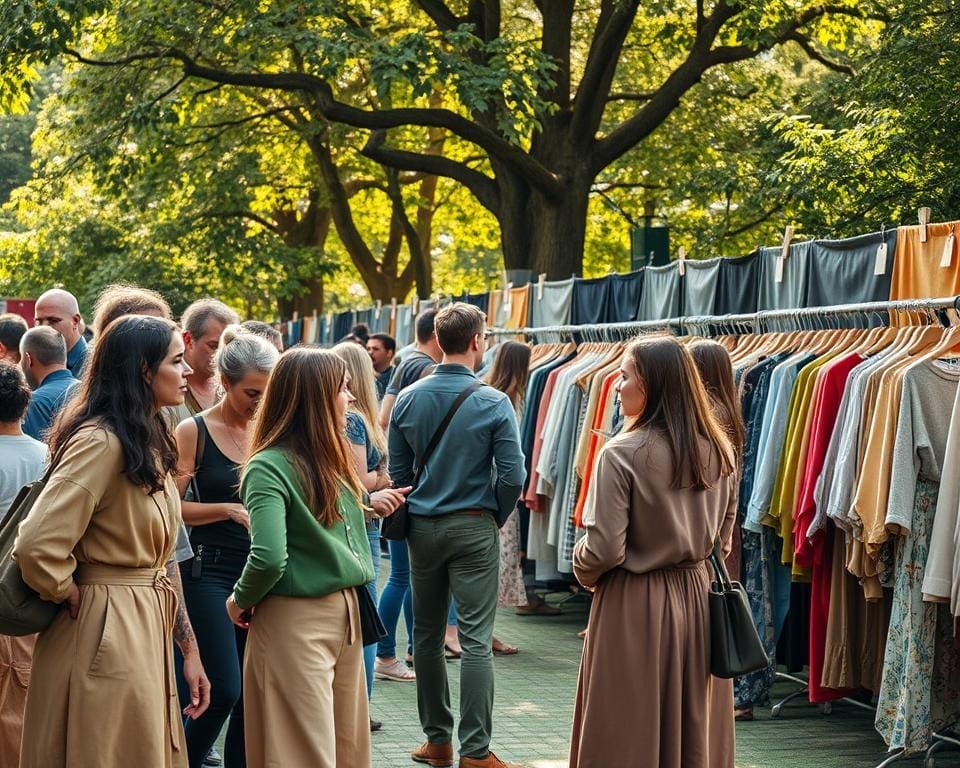
Use resale, rental and swapping platforms to extend the life of garments. In the UK, Depop, Vinted and established vintage retailers give preloved items a new home and cut demand for new production. Embracing clothing care and repair is equally vital; follow care labels, learn simple mending or visit a local repair café to keep clothes wearable for longer.
Support transparency and ethical sourcing by checking certifications such as GOTS and Fairtrade. Take part in advocacy: join Fashion Revolution campaigns, contact retailers about policies, and back regulations that promote circularity and workers’ rights. These actions improve labour conditions and can help regenerate local manufacturing, creating skilled jobs in communities.
The social benefits of ethical fashion extend beyond better wages. Charity shops and social enterprises reinvest profits into community projects, while swapping and repair events build social connections and destigmatise preloved clothing. Try a simple goal: replace one fast‑fashion purchase a month with a second‑hand or sustainable option to turn awareness into lasting change.