Deciding whether to upgrade is more than a style choice. For homeowners and landlords across the United Kingdom, modern kitchen appliances worth investing in promise clear, measurable gains. These gains include time saved on daily cooking, lower household bills and improved food results.
Recent market shifts show strong demand for smart kitchen appliances and energy-efficient kitchen appliances from established manufacturers such as Bosch, Samsung, Siemens, AEG and Miele. Covid-era habits have driven more people to cook at home, and that change has pushed shoppers towards integrated, multifunctional units that minimise effort and maximise output.
UK buyers now rank durability, low running costs and connectivity among their top priorities. Energy labels under the new A–G scale and practical smart features are often decisive. Understanding the benefits of modern appliances helps frame a kitchen investment UK as both an operational and a capital decision.
Viewed operationally, investment means time saved and reduced utility spend. Viewed as capital, it means stronger resale appeal and better lettings prospects. This article will explain those functional benefits, outline what to look for when buying, explore sustainability impacts and offer maintenance tips to protect your return on investment.
What makes modern kitchen appliances worth investing in?
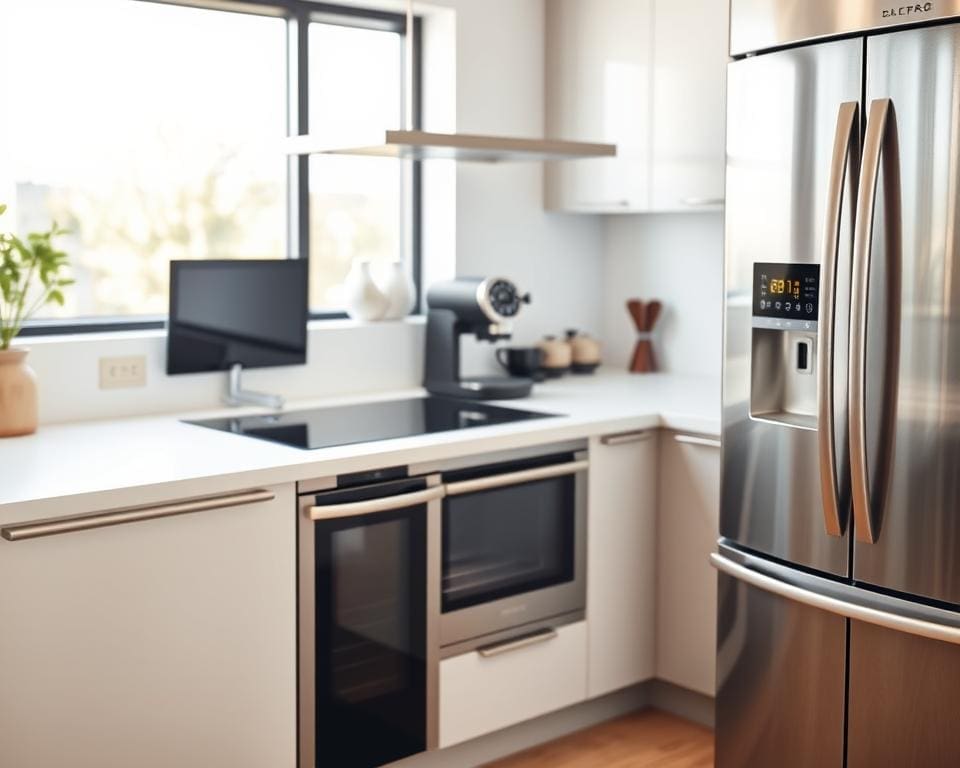
Upgrading to modern appliances reshapes daily cooking and household running costs. New ovens, hobs and multifunction machines cut time at the stove, trim energy use and lift the quality of meals. Thoughtful choices improve appliance performance UK-wide and raise kitchen resale value for those planning to sell or rent.
Time savings and faster meal preparation
Fan-assisted and steam ovens from brands such as Samsung and Bosch reduce preheat and overall cook times. Induction hobs from Neff and Smeg respond instantly, so boiling and sautéing happen faster with greater control.
Air fryers and combi-steamers let you batch cook and cut the need for multiple pans. Built-in timers and programmed recipes from Whirlpool and Hotpoint free up time for busy households while keeping meals reliable.
Energy efficiency and reduced utility bills
Modern fridges, dishwashers and washing machines outclass decade-old models on efficiency. New UK energy labels make comparisons easier, showing real gains in appliance performance UK consumers can measure.
Inverter compressors and variable-speed motors use power only when needed. Induction hobs channel more energy into cookware, delivering energy savings kitchen benefits that add up across a year.
Improved food quality and consistency
Precision control in convection and combi-steam ovens gives repeatable results, producing consistent cooking results for roasts and bakes. Steam and sous-vide-style functions preserve moisture and nutrients for better flavour and texture.
Smart sensors such as Bosch PerfectBake and Samsung Food Sensor help novices achieve the same quality as experienced cooks. Improved refrigeration zones cut spoilage and keep produce fresher for longer.
Long-term value and resale appeal
Quality packages from Miele, Bosch and NEFF enhance a property’s appeal to buyers and tenants. Integrated units and contemporary finishes influence kitchen resale value and often speed up sales or let landlords command higher rents.
Durable build, extended warranties and service plans reduce lifecycle cost. Energy label credentials and eco features are becoming key selling points in the UK market, protecting your investment over the long term.
Key features to look for when buying modern kitchen appliances
Choosing kitchen appliances can feel daunting. Focus on features that save time, cut running costs and fit your lifestyle. Think about how each item will perform day to day and over years of use.
Smart connectivity and app integration
Smart kitchen features let you control devices from a phone or voice assistant. Look for Wi‑Fi or Bluetooth, app control and compatibility with Amazon Alexa or Google Assistant. Brands such as Bosch and Samsung provide secure firmware updates and clear privacy policies.
Practical benefits include remote preheating, recipe downloads and maintenance alerts. Interoperability between oven, hob and fridge can streamline cooking and reduce wasted energy.
Energy ratings, performance metrics and certifications
Pay attention to the appliance energy rating, but dig deeper. Compare kWh/annum, water usage and noise levels across similar models. Independent test data from Which? and manufacturer technical sheets help you judge real performance.
Look for Energy Saving Trust recommendations and Waterwise endorsements where relevant. Check cycle times, load efficiency and, for ovens, power output and heat distribution.
Materials, build quality and warranty coverage
High-quality finishes and robust internals extend service life. Choose stainless steel, anodised aluminium or toughened glass for visible surfaces. Inside, enamel interiors and corrosion-resistant components matter for longevity.
Consider the appliance warranty UK options. Standard warranties often cover one to two years. Extended plans and a strong service network in the UK improve repairability and spare-part access. Miele and AEG are frequently noted for build quality kitchen appliances and long-term reliability.
Size, capacity and design compatibility with your kitchen layout
Measure spaces carefully and plan for installation needs. Decide between integrated and freestanding units, and check ventilation and plumbing requirements. Appliance size and capacity must match household needs; small households may favour compact fridges and 45cm dishwashers, while families benefit from larger load capacities and double ovens.
Look for panel-ready options to blend with cabinetry and choose handle styles that suit your design. Think about future upgrades and ensure there is space for replacement or expansion.
How modern appliances enhance sustainability and running costs
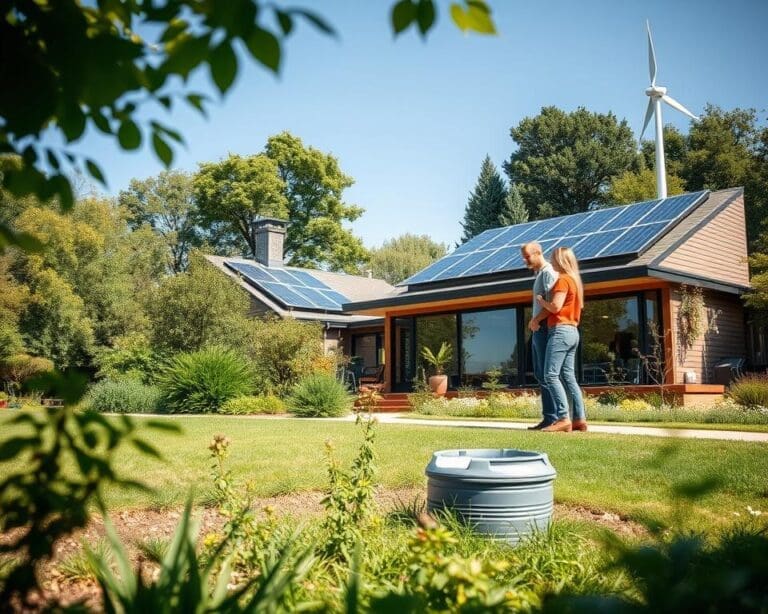
Choosing the right kitchen kit can cut household bills and lighten environmental impact. Sustainable kitchen appliances bring smarter engineering, better materials and clearer end-of-life options that matter for budgets and the planet.
Lower energy consumption through efficient motors and insulation
New motors such as brushless DC and inverter-driven compressors use less power while running. Induction hobs heat pans directly so cook times fall and wasted heat drops. Improved door seals and adaptive defrost in modern fridges keep cold in and reduce compressor cycles.
Buying low running costs appliances means realistic, measurable savings on energy bills over years of use. Look for high efficiency ratings and features that cut standby draw to see these savings add up.
Water-saving technologies in dishwashers and taps
Dishwashers now use sensors to tailor water and cycle length to load size. Eco programmes and half-load settings lower water use without sacrificing cleanliness. Water-saving dishwashers pair well with aerated taps and thermostatic mixers that reduce flow while maintaining performance.
Washing machines with load-sensing and quick-wash options also cut water and detergent use. These choices shrink water bills and reduce household environmental footprints in practical ways.
Recyclability, repairability and manufacturer take-back programmes
Design that favours recyclable metals, glass and simple plastics makes disposal simpler. In the UK, appliance recycling UK schemes and retailer take-back services help keep materials in circulation and out of landfill.
Repairable appliances extend working life. Brands such as Miele are known for accessible spare parts and clear service guides. Growing right-to-repair moves aim to make more products modular and easier to fix, protecting value for owners.
- Choose appliances with clear recyclability statements and parts availability.
- Prioritise low running costs appliances where usage is heavy, like fridges and washing machines.
- Opt for water-saving dishwashers to reduce both water and energy footprints.
- Support suppliers that offer appliance recycling UK collections or take-back schemes.
Practical tips for choosing and maintaining kitchen appliances to maximise return on investment
Start by assessing needs versus wants and create a checklist of must-have functions such as capacity, energy rating and essential features. Read independent reviews from Which? and trusted consumer magazines to compare performance and reliability before you choose kitchen appliances UK. Factor in total cost of ownership: purchase price plus estimated annual running costs and likely repair bills to improve appliance ROI.
Buy at smart times—January sales and spring promotions often offer the best deals—and ask retailers about package discounts and disposal under WEEE regulations. Use certified installers for safety and to protect warranties: Gas Safe engineers for gas appliances and qualified electricians for integrated ovens. Confirm ventilation, mains power and plumbing compatibility before installation.
Adopt a simple maintenance routine to prolong appliance life. Defrost and deep-clean freezers yearly, descale kettles and coffee machines, and clean filters in cooker hoods and washing machines. Follow manufacturer guides for fridge water filters and dishwasher salt and rinse aid. These appliance maintenance tips cut running costs and reduce the risk of costly faults.
Keep service records, manuals and receipts to help maximise resale value and demonstrate care to future buyers. Choose neutral finishes or panel-ready options if you expect to sell soon. Consider selling or donating working older appliances rather than scrapping them to offset upgrade costs. With careful choice, professional installation and regular upkeep you can maintain kitchen appliances, boost appliance ROI and enjoy equipment that lasts.