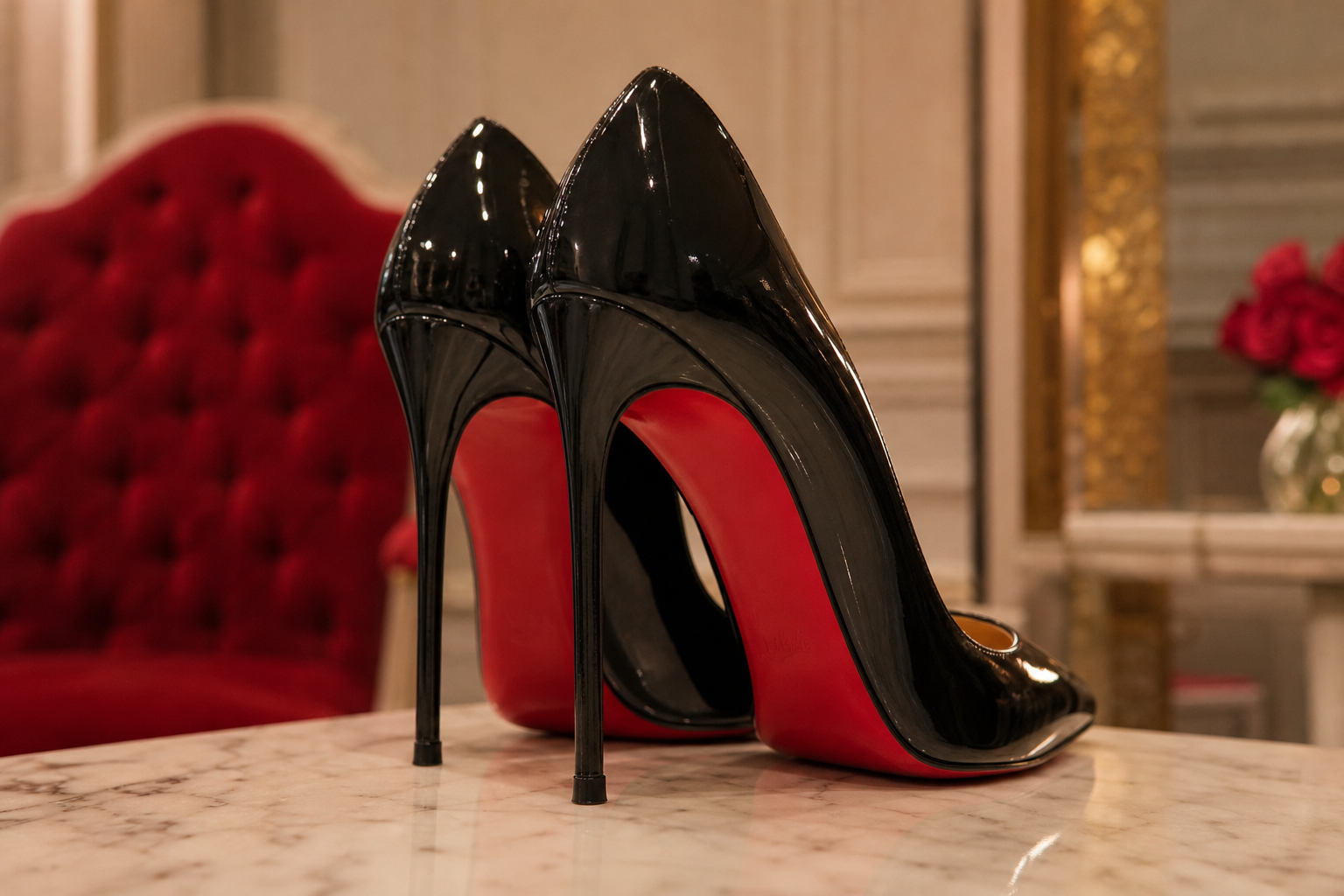

In the competitive landscape of luxury footwear, few brands command as much immediate recognition as Christian Louboutin. For B2B partners, retailers, and fashion consultants, understanding the specific drivers of this brand's equity is essential. The allure of these shoes transcends simple aesthetics; it is a masterclass in strategic branding and meticulous craftsmanship. To understand what makes Christian Louboutin heels so distinctive, one must look beyond the surface and examine the intersection of daring design, psychological branding, and uncompromising quality.
The Iconic Red Sole: A Masterstroke of Branding
The most immediate identifier of a Louboutin shoe is the vibrant red lacquer on the outsole. This design choice was not the result of a long-term corporate strategy but rather a moment of spontaneous creativity. Legend suggests that the designer felt a prototype lacked energy and used a bottle of red nail polish to transform the sole. This single decision shifted the shoe from a piece of clothing to a status symbol.
From a business perspective, the red sole serves as a "silent logo". In a crowded room or a high-end retail environment, the flash of red is visible from a distance, signalling luxury and exclusivity without the need for overt branding on the upper leather. This creates a powerful psychological association between the colour red and high social standing.
The Legal Protection of a Colour
The distinctiveness of the red sole is not just a matter of fashion but of intellectual property. The brand has fought numerous legal battles to protect the use of this specific shade of red on footwear soles. By securing trademarks, the company ensured that the red sole remained a proprietary asset, preventing competitors from diluting the brand's visual identity.
The Emotional Impact of the Red Sole
For the consumer, the red sole represents a bold statement of confidence. In the B2B luxury sector, this emotional connection is what drives price premiums. The sole does not improve the functionality of the shoe, yet it adds immense perceived value. This demonstrates how a simple visual cue can redefine the market positioning of a product.
Engineering Elegance and Ergonomics
While the visual identity is paramount, the longevity of the brand relies on the physical construction of the footwear. Louboutin heels are renowned for their dramatic silhouettes, often featuring extreme heights and precarious angles that would be unwearable if not for precise engineering.
The brand employs a rigorous approach to the "last"—the wooden or plastic form around which the shoe is built. By refining the curvature of the arch and the placement of the heel, the designers manage to distribute weight more effectively than standard high heels. This balance between avant-garde style and structural integrity is a key component of their market dominance.
Material Selection and Sourcing
The quality of the materials used is a non-negotiable aspect of the production process. The brand sources premium leathers, silks, and exotic skins that provide both durability and a luxurious tactile experience.
- Nappa Leather: Used for its softness and ability to mould to the foot.
- Patent Leather: Provides the high-gloss finish essential for formal evening wear.
- Suede: Offers a matte, sophisticated texture for seasonal collections.
The Art of the Stiletto
The stiletto heel is the cornerstone of the collection. The distinctiveness lies in the slimness of the heel combined with the strength of the internal steel shank. This allows the shoe to maintain a sharp, needle-like appearance while supporting the wearer's weight, ensuring that the silhouette remains crisp and unwavering over time.
Market Positioning and the Luxury Ecosystem
Understanding what makes Christian Louboutin heels so distinctive requires an analysis of how the brand interacts with the luxury market. The company does not compete on price or accessibility; instead, it competes on scarcity and prestige. By limiting production and controlling distribution channels, the brand maintains a high demand that outweighs supply.
The pricing strategy is designed to reinforce the image of exclusivity. When a product is positioned at a high price point, it attracts a specific demographic of high-net-worth individuals and fashion professionals. This creates a virtuous cycle where the ownership of the shoe becomes a marker of entry into an elite social circle.
The brand also leverages strategic collaborations and limited editions. By releasing a small number of unique designs, they create a sense of urgency among collectors. This B2B strategy ensures that retail partners always have a fresh, high-demand product to attract foot traffic to their boutiques.
Craftsmanship and the Atelier Process
The production of these heels is a blend of traditional artisanal techniques and modern precision. Each shoe undergoes a series of meticulous steps in the atelier, where skilled craftsmen handle the assembly. This commitment to hand-finishing ensures that every pair meets a strict quality standard before it reaches the showroom.
The process begins with the selection of the hide, followed by precise cutting and stitching. The attachment of the red sole is a separate, specialised process that requires a flawless application of lacquer to avoid streaks or bubbles. This attention to detail is what separates a luxury product from a mass-market imitation.
The brand's ability to scale this artisanal approach while maintaining consistency is a significant operational achievement. By investing in highly trained staff and quality control systems, they ensure that the "distinctive" nature of the shoe is consistent across every single pair produced globally.
Frequently Asked Questions
Why is the red sole so important for the brand?
The red sole acts as a global signature that allows for instant brand recognition without needing a visible logo on the top of the shoe.
Are Louboutin heels designed for long-term comfort?
While they prioritise a dramatic and high-fashion silhouette, the brand uses precise engineering and high-quality materials to maximise stability and fit.
How does the brand maintain its exclusivity in the market?
They achieve exclusivity through controlled distribution, high price points, and the release of limited-edition collections that drive collector demand.
What materials are typically used in the construction of these shoes?
The brand primarily uses premium Nappa leather, high-grade patent leather, and various exotic skins to ensure a luxurious finish and durability.
Is the red sole a registered trademark?
Yes, the brand has successfully pursued legal protections to ensure that the specific red lacquer on footwear soles remains a proprietary brand asset.