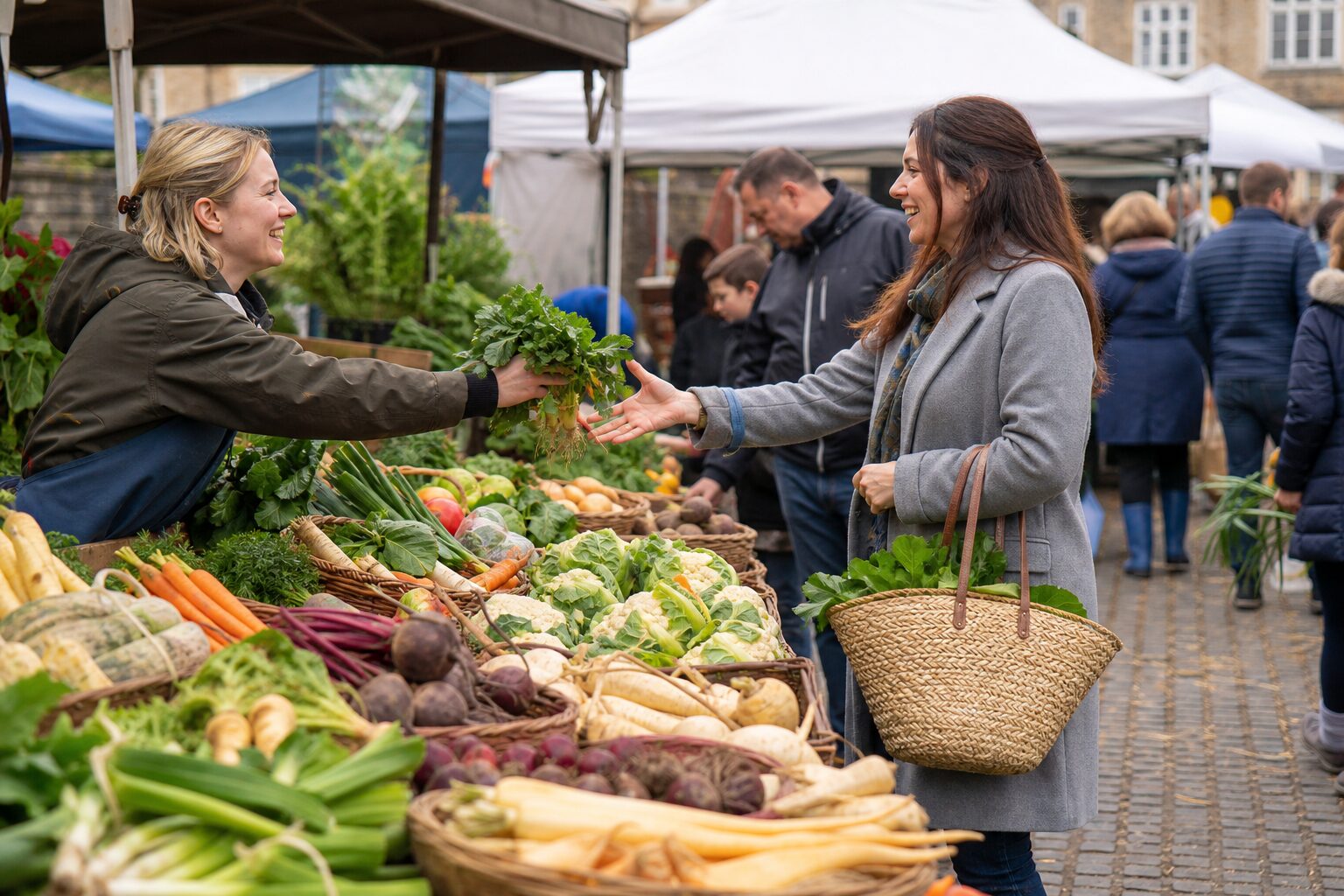

For retailers, hospitality teams, landlords and place managers, the question is not only what makes a farmers’ market worth visiting? It is whether the market creates a reason to travel, dwell, spend and return. A strong market does more than fill a street with stalls. It brings trusted food, visible makers and a lively rhythm that can support nearby businesses. From an editor’s perspective, the best markets feel local, useful and well run, with enough variety to reward both regular buyers and curious visitors.
Why “What makes a farmers’ market worth visiting?” matters to businesses
A worthwhile market adds character to a location. For a town centre, mixed use estate, visitor attraction or office district, it can turn ordinary footfall into purposeful activity. People may arrive for bread, cheese, plants or prepared food, then notice shops, cafés and services around them. That wider effect is not automatic. It depends on curation, operations and a clear fit with the area’s identity.
For suppliers, the market is also a shop window. It lets producers explain provenance, test seasonal lines and meet trade buyers in a setting that feels less formal than an exhibition hall. For neighbouring businesses, it can provide atmosphere, conversation and reasons for longer visits.
Quality, provenance and trust
The first test is the quality of what is sold. Visitors expect food that feels fresher, more distinctive or more carefully made than a routine supermarket purchase. That does not mean every stall must be premium. It does mean products should be handled well, described honestly and presented with pride.
Clear sourcing
Good markets make origin easy to understand. Shoppers should be able to see who grew, baked, brewed, reared or prepared an item, and where possible, how it was produced. In a B2B context, this clarity matters because venue operators and local businesses protect their own reputations when they host or promote a market.
Consistent standards
Consistency keeps visitors confident. Stallholders need suitable presentation, clear prices, safe handling and reliable attendance. If a market feels casual in a charming way, that can work. If it feels careless, it weakens trust quickly. The strongest organisers set expectations without removing the personality that makes independent trading appealing.
A mix that rewards different visitors
A farmers’ market worth visiting offers choice without becoming confused. Shoppers want a balance of everyday staples, treats and discoveries. For businesses watching footfall, this range matters because different products serve different visit purposes: a quick lunch, a weekly basket, a gift, or a browsing trip with family.
Useful variety may include:
- Seasonal fruit, vegetables, flowers and plants that change through the year.
- Bakery, dairy, meat, fish or preserves from identifiable local producers.
- Ready to eat food and drinks that encourage dwell time without blocking trade.
- Low waste goods, refill options or craft products that complement fresh food.
The point is not to cover every category. It is to avoid sameness. Too many similar stalls can leave visitors feeling that they have seen the market after five minutes. A thoughtful mix creates routes, comparisons and conversations.
Operations that make the visit easy
Practical details shape whether a market feels enjoyable or hard work. Businesses considering a market often focus on stalls and branding, but the visitor experience depends just as much on movement, timing and comfort.
- Clear opening hours, so shoppers and nearby businesses can plan around them.
- Sensible stall spacing that supports queues without closing pavements or entrances.
- Weather aware layouts, including shelter where possible and safe surfaces underfoot.
- Waste, power and water arrangements that are discreet, compliant and reliable.
Accessibility is part of quality, not an optional extra. Pushchairs, wheelchairs, older visitors, delivery teams and staff all need to move safely. Payment options also matter. Cash can suit some traders and visitors, while card payments reduce friction for others. A market that respects both habits feels more inclusive.
Local character and commercial value
The most memorable markets feel connected to their place. This might show through regional produce, familiar faces, local music, seasonal displays or partnerships with nearby venues. For B2B readers, local character is not decoration. It is what separates a market from a generic pop up retail row.
Commercial value can appear in several ways. A market may support off peak trading, animate underused space, extend visitor time or strengthen a destination’s image. It may also help independent producers build relationships with chefs, caterers, retailers and corporate buyers. None of this requires a market to become corporate in tone. In fact, over polishing can remove the warmth visitors came for.
Signs of a market worth returning to
Return visits are the real measure. A first visit can be driven by novelty, but repeat visits depend on reliability and fresh interest. People should know that favourite traders are likely to be there, while still finding seasonal changes and occasional surprises.
Editorially, the markets that stand out have a clear story. They are easy to describe in one or two sentences, because their purpose is evident. They might be known for strong produce, a family friendly Saturday morning, excellent street food, or a close link with local farms. When the story is clear, promotion becomes easier and word of mouth becomes more believable.
Frequently Asked Questions
What should businesses look for first?
Look for strong produce standards, reliable operations and a visitor experience that suits the surrounding place.
How important is stallholder selection?
It is central, because the right mix gives shoppers reasons to browse, compare and return.
Can a small market still succeed?
Yes, if it has focus, quality and enough variety to feel worth the journey.
Does location matter more than branding?
Location matters greatly, but branding helps visitors understand the offer before they arrive.
What weakens a farmers’ market quickly?
Poor curation, unclear prices, awkward access, repetitive stalls and unreliable attendance quickly reduce confidence, even when individual traders are talented and the setting has potential. Visitors notice friction before they notice ambition every time.