Open-plan homes have become increasingly popular in contemporary architecture, transforming the way we perceive our living spaces. This design strategy highlights the best layout for open-plan environments by orchestrating a harmonious flow and functionality that connects various areas of the home. In UK homes, the trend toward open spaces fosters greater social interaction and accessibility, making it especially appealing for families and young professionals. Throughout this article, we will delve into how achieving the perfect layout can elevate your open-plan living experience, blending practicality with aesthetic appeal.
Understanding Open-Plan Living
Open-plan living has revolutionised how we interact within our homes, merging functionality with a modern design aesthetic. The essence of this concept lies in its ability to create expansive, connected spaces that enhance social interaction among family members and guests. With the removal of walls, there’s a palpable sense of community that permeates an open-plan home.
Benefits of Open-Plan Spaces
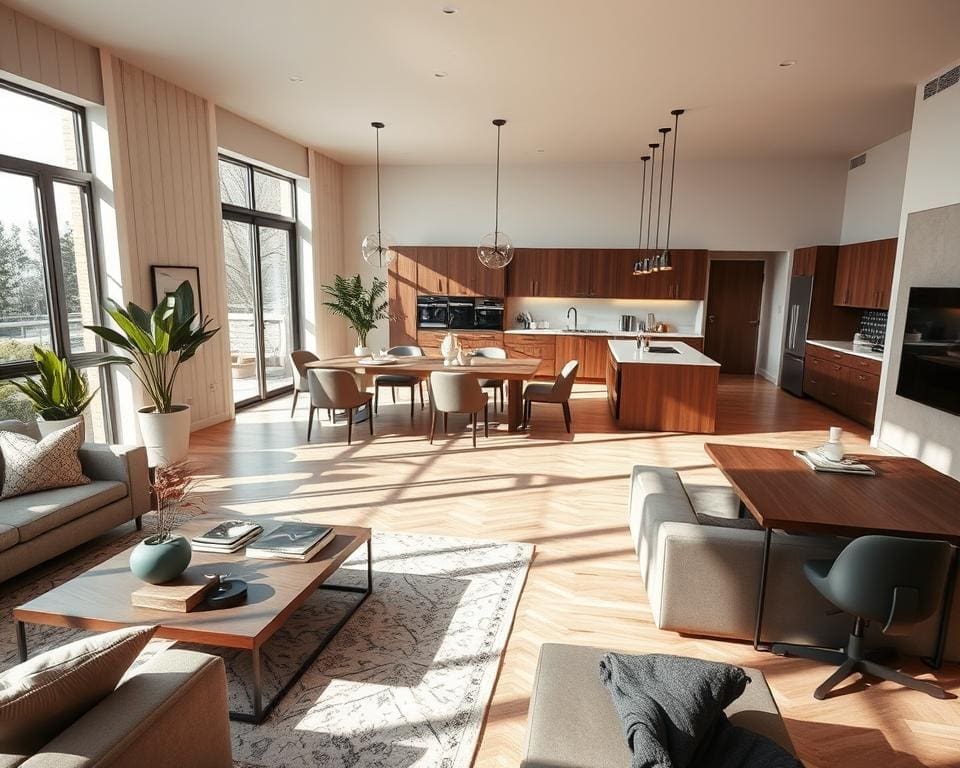
The benefits of open-plan living extend beyond aesthetics. One of the primary advantages is the improved flow of natural light, which brings a sense of warmth and openness to the space. This illumination not only brightens the home but also fosters a feeling of airiness, making rooms feel larger. Additionally, these layouts encourage versatile use of space, allowing inhabitants to adapt areas for various activities, from casual dining to entertaining guests.
Common Features of Open-Plan Homes
Several defining features of open-plan homes contribute to their allure. Combined living and dining areas create an inviting atmosphere, while streamlined kitchens facilitate interaction between guests and home cooks. Moreover, multifunctional rooms often integrate spaces for work and leisure, promoting flexibility in daily life. Space-saving solutions, such as built-in furniture and clever storage options, further enhance these homes’ appeal, making them ideal for modern living. For those interested in understanding more about efficient designs, recent kitchen ideas offer innovative insights.
What Layout Works Best for Open-Plan Homes?
Creating a functional home layout in an open-plan setting hinges on specific elements. Family dynamics, lifestyle habits, and the intended use of each space converge to shape the perfect layout design. Balancing these factors guides homeowners toward optimal design choices that ensure comfort and utility. Popular open-plan options like L-shaped and U-shaped configurations promote interaction and flow, enhancing the overall atmosphere of the home.
Key Considerations in Layout Design
Before finalising an interior layout, consider the following points:
- Assess how different areas will be used throughout the day.
- Identify focal points that will draw family members together.
- Evaluate the dimensions and proportions of furniture to promote ease of movement.
- Factor in storage solutions to maintain an uncluttered environment.
Popular Layout Options
Among the most favoured designs for open-plan homes are:
- L-shaped layout: This configuration allows for distinct areas while maintaining an open feel.
- U-shaped layout: Creates a natural flow and encourages interaction among family members.
Maximising Natural Light
To transform an open-plan environment into a bright and welcoming haven, strategies to maximise natural light play a crucial role. Consider incorporating:
- Large windows that invite sunlight and open the space.
- Glass doors to blur the indoor and outdoor boundaries, enhancing the sense of space.
- Reflective surfaces that bounce light around the room, making it feel airy and spacious.
Optimising Functionality in Open-Plan Designs
Creating an effective open-plan environment requires careful consideration of functionality to ensure that the space serves its purpose efficiently. Zoning in open-plan layouts allows for distinct areas that can cater to various activities, enhancing usability without compromising the open feel that characterises these homes. By effectively employing furniture arrangement, homeowners can maximise space usage while fostering a harmonious atmosphere.
Defining Zones within Open Spaces
Defining zones is essential for open-plan living. Furniture placement plays a pivotal role in achieving this, enabling the creation of distinct activities such as dining, relaxing, and working. Using rugs or room dividers can further assist in delineating spaces, giving a sense of definition without obstructing flow. Practical layouts that support this zoning can transform an open space into a more functional environment, inviting both comfort and utility.
Furniture Arrangement Tips
Effective furniture arrangement is crucial in maximising functionality. Consider factors like flow, accessibility, and comfort when selecting pieces. Arranging furniture to encourage conversation and movement keeps the area engaging. Opt for multifunctional furniture to support flexible living. For instance, a stylish ottoman with hidden storage or a coffee table that doubles as a workspace can significantly optimise functionality. To learn more about integrating efficient design into your home, visit this resource.
Incorporating Style into Open-Plan Layouts
Creating an inviting atmosphere in open-plan layouts requires thoughtful consideration of aesthetic elements. A unified approach brings a sense of harmony and balance to the space. By focusing on a cohesive design, the various areas within an open-plan setting can seamlessly integrate, enhancing the overall appeal of the home. Attention to colour palette, textures and materials play a crucial role in achieving this objective.
Choosing a Cohesive Colour Palette
When selecting a colour palette, opting for warm neutrals fosters a welcoming vibe, perfect for living areas. Soft greys, light beiges, and gentle whites can transform the environment into a serene space. Incorporating hints of blue promotes calmness, ideal for relaxation zones, while yellow injects energy into dining or social areas. It’s essential to choose shades that support the intended functionality of each zone in the open plan. A consistent application of colour can bring about a fluid connection between different spaces. For insights on this, explore colour psychology guidance.
Utilising Textures and Materials
The richness of an open-plan home often emerges through the diversity of textures and materials. Wood imparts warmth, metal adds sophistication, and textiles enhance comfort. Mixing these elements can create visual interest while maintaining a cohesive design. For example, pairing a plush sofa with sleek metallic accents can strike the perfect balance between comfort and contemporary style. This interplay of textures ultimately elevates the overall feel of the open-plan space, inviting engagement and relaxation.
Decorative Elements to Enhance Aesthetics
Incorporating decorative elements is vital for personalising an open-plan environment. Artwork, plants, and distinctive lighting fixtures serve not only as aesthetic focal points but also enrich the atmosphere. Thoughtfully chosen pieces can reflect your personality while reinforcing the overall design theme. A curated selection of decorative elements can tie together various zones, ensuring that the space feels complete and cohesive, inviting both comfort and style.
Expert Advice on Layout Customisation
Customising the layout of an open-plan space to suit individual lifestyle needs plays a crucial role in creating a comfortable and functional environment. Whether accommodating children, pets, or work-from-home setups, understanding specific requirements influences layout decisions significantly. Expert advice can guide homeowners in making informed choices that transform spaces into personal havens.
Understanding Your Lifestyle Needs
Evaluating your lifestyle needs is essential when considering layout customisation. Each household is unique, with varying demands that might include active children needing play areas, the presence of pets, or dedicated home office zones. Identifying these needs lays the foundation for an effective design that supports daily activities and enhances quality of life.
Consulting with Interior Designers
Engaging with professional interior designers offers invaluable personalised design advice. These experts bring a wealth of knowledge and experience, allowing homeowners to explore innovative options that may not have been previously considered. By consulting an interior designer, one can develop a tailored plan that harmonises aesthetics and functionality, ultimately transforming an ordinary layout into a beautiful, cohesive living space.
Real-Life Open-Plan Home Examples
Exploring real-life examples of open-plan homes offers a wealth of design inspiration for those looking to reform their living spaces. One such standout case study is a contemporary family residence in London that successfully merges functionality with style. The owners opted for a clean, minimalistic aesthetic while incorporating warm wood elements to create a welcoming atmosphere. This balance of modern design and homely touches illustrates how effective layout choices can significantly enhance daily living.
Another compelling example is a rustic farmhouse conversion in the Cotswolds, showcasing the charm of open-plan living while respecting heritage features. The layout flows seamlessly from kitchen to lounge, with a large central island serving as both a cooking space and a social hub. This design highlights a successful integration of indoor and outdoor living, with large glass doors opening onto a lush garden, proving that open-plan spaces can be both beautiful and practical.
Lastly, a trendy apartment in Manchester exemplifies how urban dwellers can optimise smaller open-plan areas. By using versatile furniture and clever zoning techniques, this home demonstrates that even limited space can accommodate diverse activities, from entertaining guests to quiet study sessions. These real-life examples showcase the varied possibilities of open-plan homes, encouraging readers to envision their dream layouts and draw inspiration from these successful case studies.