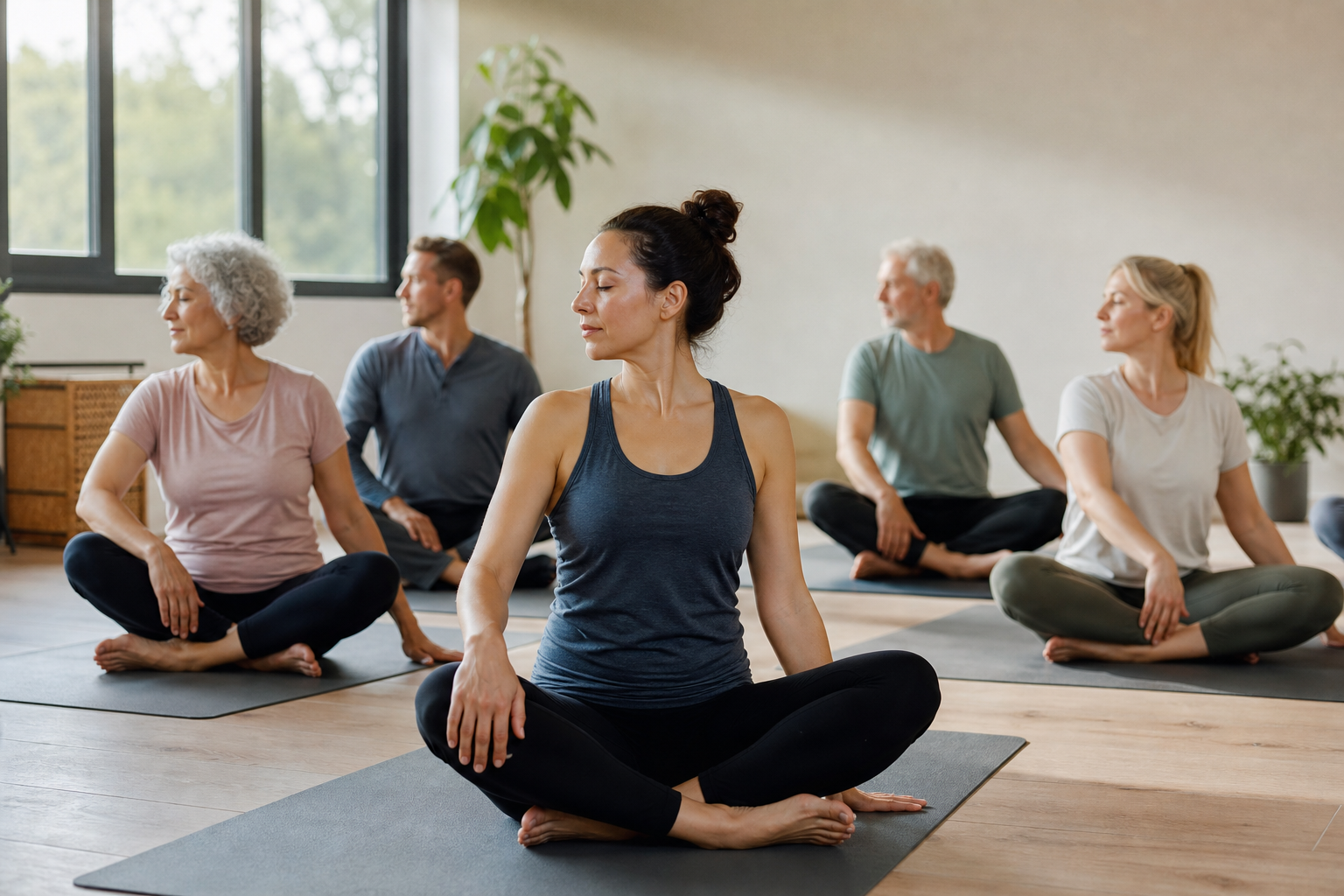

In the fast-paced environment of the modern UK corporate landscape, employee wellbeing has shifted from a peripheral benefit to a core business strategy. As companies seek sustainable ways to reduce workplace stress and improve cognitive function, many are turning to traditional wellness practices. Among these, Hatha Yoga stands out as one of the most accessible and versatile disciplines. Understanding what is Hatha Yoga and who is it suitable for allows business leaders and HR professionals to implement wellness programmes that genuinely support a diverse workforce.
Understanding the Foundations of Hatha Yoga
Hatha Yoga is a foundational branch of yoga that focuses on balancing the body and mind through physical postures, breathing techniques, and meditation. The term "Hatha" is derived from the Sanskrit words "Ha" (sun) and "Tha" (moon), representing the balance of opposing energies within the body. Unlike more vigorous styles such as Vinyasa or Ashtanga, Hatha typically involves a slower pace, where practitioners hold poses for longer durations to refine alignment and focus.
For the professional, this practice serves as a physical and mental reset. By combining asanas (physical postures) with pranayama (breathing exercises), Hatha Yoga helps regulate the nervous system. This transition from a state of high-alert "fight or flight" to a "rest and digest" state is critical for those managing high-pressure roles, as it lowers cortisol levels and restores mental clarity.
The Core Components of a Hatha Practice
A typical Hatha session is structured to prepare the body for stillness and the mind for focus. This methodical approach makes it an ideal introduction for those who have never stepped onto a yoga mat.
Physical Postures (Asanas)
The physical aspect of Hatha Yoga involves a variety of stretches, balance poses, and strength-building movements. These are designed to improve flexibility and joint mobility, which are often compromised by long hours of sedentary desk work. By stretching the hip flexors and opening the chest, Hatha directly counters the "hunched" posture associated with computer use.
Breathwork and Mindfulness (Pranayama)
Breathwork is the bridge between the body and the mind. In Hatha, practitioners learn to control the breath to influence their emotional state. Techniques such as diaphragmatic breathing help to oxygenate the blood and calm the mind, providing a practical tool that employees can use during a stressful meeting or before a major presentation.
What Is Hatha Yoga and Who Is It Suitable For in a Corporate Setting?
When evaluating wellness initiatives, the primary concern for any organisation is inclusivity. The question of what is Hatha Yoga and who is it suitable for is answered by the practice's inherent flexibility. Because Hatha focuses on the fundamentals, it can be adapted to meet the needs of almost any individual, regardless of their current fitness level or age.
Hatha Yoga is particularly suitable for the following groups within a business environment:
- Desk-bound Professionals: Those who suffer from chronic lower back pain, neck tension, or repetitive strain injuries.
- High-Stress Executives: Individuals who struggle with insomnia or anxiety and require a structured method to disconnect from work.
- Beginners to Wellness: Employees who may feel intimidated by the intensity of gym-based workouts or complex yoga flows.
- Older Employees: Staff members looking for low-impact movement to maintain mobility and balance as they age.
By offering a practice that accommodates a wide spectrum of abilities, companies can ensure that their wellbeing offerings are equitable and accessible to the entire workforce.
The Business Benefits of Implementing Hatha Yoga
Integrating Hatha Yoga into a corporate wellness strategy provides more than just physical health benefits; it impacts the bottom line by enhancing human capital.
Increased Productivity and Focus
Mental fatigue is a significant driver of inefficiency in the workplace. The meditative aspect of Hatha Yoga trains the brain to focus on the present moment. This cultivation of mindfulness translates directly into better concentration and a higher capacity for deep work, allowing employees to complete complex tasks with fewer errors.
Reduction in Absenteeism
Physical ailments, particularly musculoskeletal issues, are leading causes of short-term sick leave in the UK. Regular Hatha practice strengthens the core and improves posture, reducing the likelihood of chronic pain. Furthermore, the stress-reduction benefits help prevent burnout, ensuring that key talent remains engaged and present.
Practical Integration for B2B Wellness Programmes
For businesses looking to introduce Hatha Yoga, the implementation should be seamless and non-intrusive. The beauty of this practice is that it does not always require a dedicated studio or expensive equipment.
Many organisations are now opting for "Yoga at the Desk" sessions, where modified Hatha stretches are performed in office attire. Alternatively, scheduled weekly sessions led by a certified instructor can foster team bonding and a shared commitment to health. The key is to present the practice not as an additional chore, but as a necessary tool for professional sustainability.
Frequently Asked Questions
Do employees need previous experience to start Hatha Yoga?
No previous experience is required, as Hatha Yoga is specifically designed to teach the fundamental basics of alignment and breathing to beginners.
Can Hatha Yoga be practised in standard office clothing?
While athletic wear is ideal, many Hatha stretches and breathing exercises can be adapted for professional attire, especially during short desk-based sessions.
How long does a typical corporate Hatha session last?
Sessions can vary from fifteen-minute "energy boosts" to full hour-long classes, depending on the company's schedule and the specific goals of the programme.
Is Hatha Yoga safe for people with existing injuries?
Yes, provided the practice is guided by a qualified instructor who can offer modifications and props to ensure the movements are safe for everyone.
How does Hatha Yoga differ from other types of yoga?
Hatha is generally slower and more focused on individual poses rather than the fast-paced, flowing transitions found in styles like Vinyasa or Power Yoga.