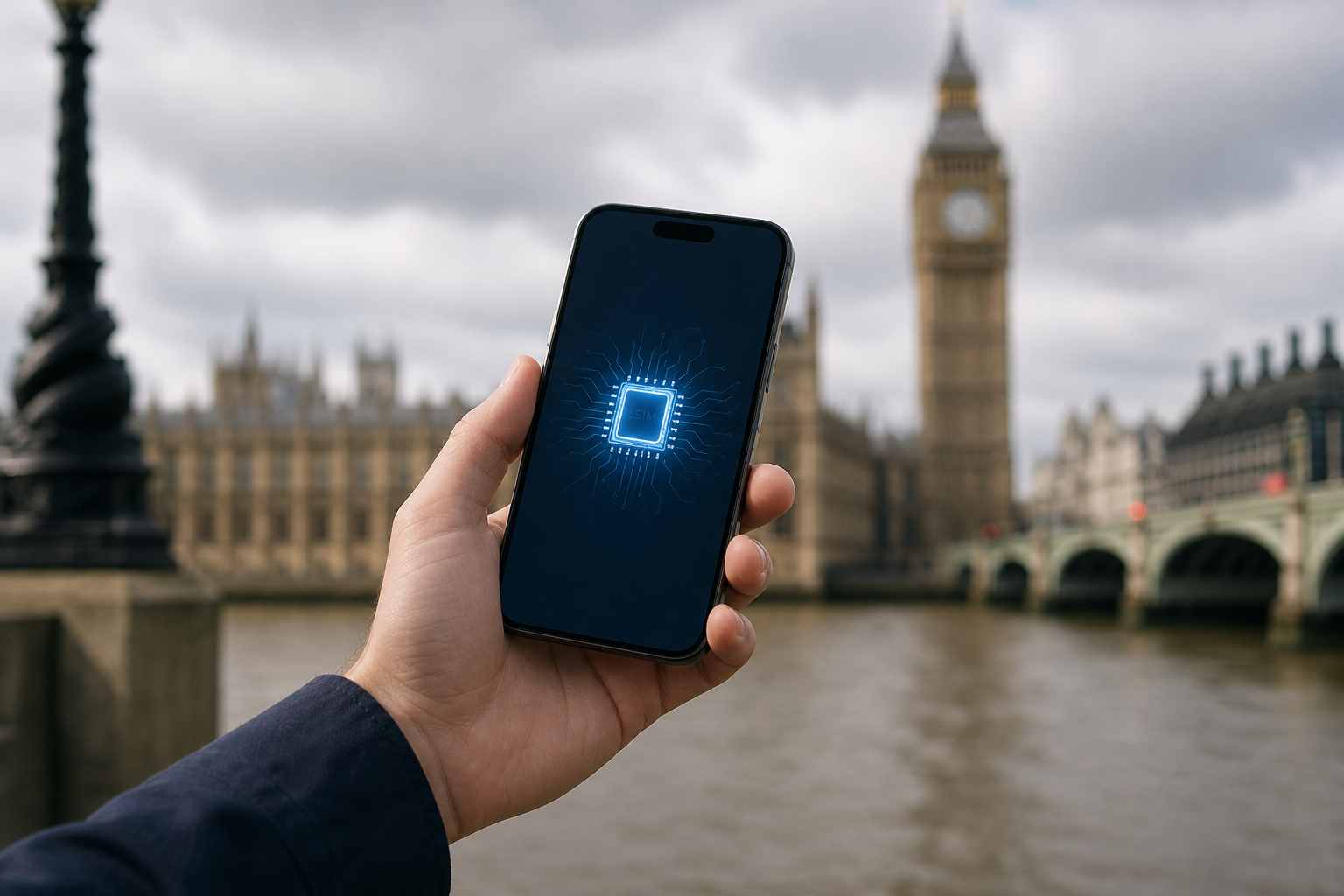

The landscape of corporate connectivity is shifting away from physical hardware. For years, the plastic SIM card has been the universal key to mobile networks, but the emergence of embedded SIM technology is streamlining how businesses manage their mobile fleets. Understanding what is an eSIM and how do you activate it is now essential for any UK business looking to reduce operational overheads and improve the agility of its remote workforce.
Understanding the Fundamentals of eSIM Technology
An eSIM, or embedded SIM, is a digital version of the traditional SIM card. Instead of a removable piece of plastic that you slide into a tray, the eSIM is a small chip soldered directly onto the device's motherboard during manufacturing. This chip performs the exact same function as a physical SIM—it identifies your device to the network provider and allows you to access data, calls, and SMS—but it does so through software.
For B2B operations, this transition represents a move toward digitisation. Because the identity of the subscriber is stored as a profile that can be downloaded over the air, the need for physical logistics is removed. Companies no longer need to post SIM cards to employees in different cities or manage a stock of plastic cards in a central office.
The technology allows for "multi-SIM" capabilities. Most modern smartphones and tablets can store multiple eSIM profiles simultaneously, although usually only one or two are active at any given time. This is particularly useful for consultants and executives who maintain a strict separation between their corporate and personal lines on a single handset.
The Strategic Advantages for UK Businesses
Adopting eSIM technology offers more than just convenience; it provides a scalable infrastructure for growing enterprises. When managing a large volume of corporate devices, the administrative burden of physical SIMs can become a bottleneck.
Streamlined Onboarding and Deployment
The primary benefit for a business is the speed of deployment. When a new employee joins a firm, the IT department can send a digital activation code or a QR code via email. The employee scans the code, and the device is connected to the corporate network instantly. This eliminates the downtime associated with waiting for courier deliveries and reduces the risk of lost or damaged SIM cards during transit.
Enhanced International Mobility
For UK companies with global clients, the eSIM is a game-changer for international travel. Instead of searching for a local airport kiosk to buy a prepaid SIM or paying exorbitant roaming charges, employees can download a local data plan before they even land. This ensures that the workforce remains productive from the moment they touch down, without the need to swap physical cards and risk losing the original UK SIM.
Improved Hardware Durability and Design
From a hardware perspective, removing the SIM tray frees up internal space for manufacturers to include larger batteries or better internal components. It also removes a physical entry point into the device, which slightly improves the water and dust resistance of the hardware. For businesses deploying ruggedised devices in industrial settings, this reduction in physical openings is a subtle but meaningful advantage.
What Is an eSIM and How Do You Activate It?
The process of moving from a physical card to a digital profile is designed to be intuitive, though it varies slightly depending on the operating system and the network provider. To understand what is an eSIM and how do you activate it, one must first ensure that the hardware is compatible. Most flagship devices released in the last few years support this technology.
The activation process generally follows these steps:
- Procurement: The business acquires a plan from a mobile network operator. The provider then generates a unique eSIM profile linked to the corporate account.
- Delivery: The operator sends the activation details to the user. This is most commonly delivered as a QR code sent via email or through a dedicated corporate self-service portal.
- Installation: The user opens the cellular settings on their device and selects the option to "Add eSIM" or "Add Cellular Plan".
- Scanning: The device camera scans the QR code, which triggers the download of the network profile from the provider's server.
- Configuration: The user labels the line (e.g., "Work" or "Personal") and selects which line should be used for primary data and voice calls.
In some corporate environments, this process is entirely automated through Mobile Device Management (MDM) software. The IT administrator can push the eSIM profile directly to the device without the employee needing to scan anything, ensuring that security protocols and data limits are pre-configured.
Managing eSIMs in a Corporate Environment
Managing a fleet of eSIMs requires a different approach than managing physical cards. The focus shifts from inventory management to digital identity management.
Security and Device Theft
One of the most significant security advantages of an eSIM is that it cannot be physically removed. If a corporate phone is stolen, a thief cannot simply pop out the SIM card to prevent the device from being tracked or to use the corporate data plan in another handset. The eSIM remains embedded, allowing the business to maintain a connection to the device for remote wiping or tracking purposes until the line is deactivated by the network provider.
Cost Optimisation and Flexibility
eSIMs allow businesses to switch providers or change plans with far greater flexibility. If a company finds a more competitive data package from another UK provider, they can migrate their entire workforce to the new network via software updates rather than shipping thousands of new plastic cards. This agility allows B2B procurement teams to respond quickly to market changes and reduce monthly operational expenditure.
Frequently Asked Questions
Can I use an eSIM and a physical SIM at the same time?
Yes, most modern devices support Dual SIM functionality. This allows a professional to keep their corporate eSIM active for business communications while retaining a physical SIM for personal use, managing both on one device.
What happens to my eSIM if I factory reset my phone?
During a factory reset, most devices will ask if you wish to keep or delete your eSIM profiles. If you choose to keep them, the cellular plans remain active and functional after the reset is complete.
Do all UK mobile networks support eSIM technology?
The majority of major UK network operators now support eSIMs for both consumer and business contracts. However, it is always advisable to verify compatibility with your specific provider before upgrading your hardware.
Is it possible to transfer an eSIM from one phone to another?
Yes, though the process depends on the provider. Some allow a digital transfer through the device settings, while others require the administrator to issue a new QR code for the new handset.
Will using an eSIM affect my battery life?
There is no significant evidence to suggest that an eSIM drains more battery than a physical SIM. Both technologies use the same amount of power to maintain a connection to the cellular tower.