
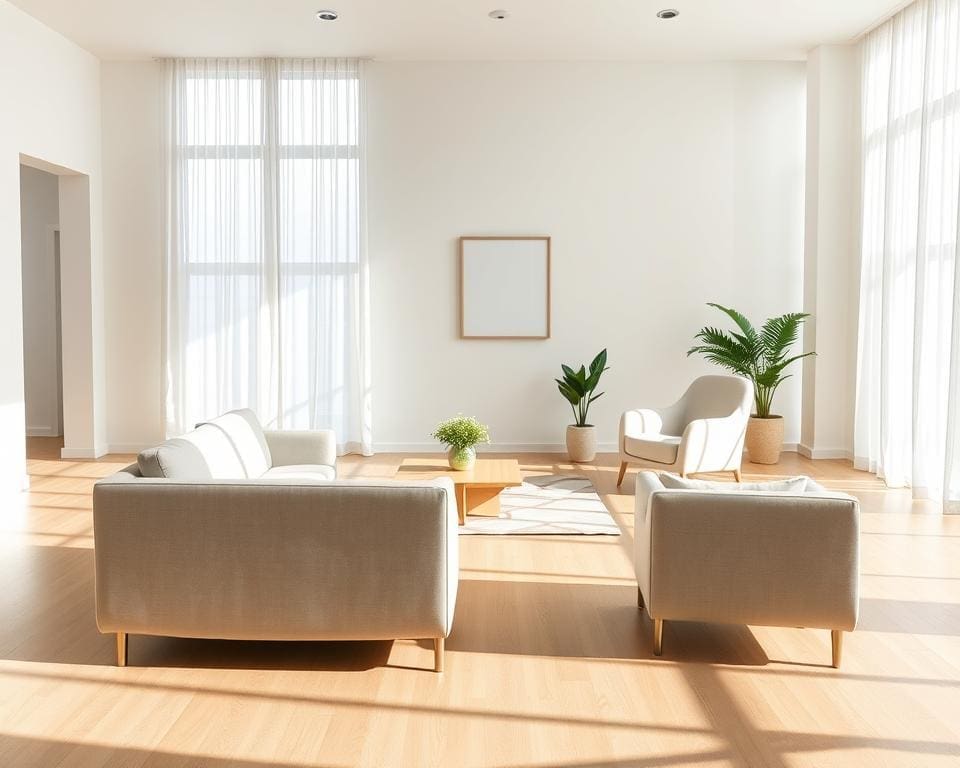
In the quest for creating a modern minimalist space, the choice of furniture plays a pivotal role in defining both aesthetics and functionality. Minimalist furniture is characterised by its simplicity and clean lines, making it ideal for those looking to embrace a clutter-free environment. When considering minimalist interior design, it’s essential to select furniture styles that not only maximise the available space but also contribute to a cohesive and harmonious atmosphere.
Space-saving furniture solutions, such as foldable tables or storage ottomans, are perfect for ensuring that every piece serves a purpose without overcrowding the room. By opting for designs that reflect modern minimalism, homeowners can achieve the desired balance between style and usability, ultimately enhancing their living experience.
For further insights into how to effectively style a small room while keeping it clutter-free, explore this resource.
Understanding Modern Minimalism in Interior Design
Modern minimalism in interior design embraces the philosophy of *less is more*. This approach focuses on decluttering spaces and fostering a sense of calm through simplicity in design. By adopting the principles of minimalist design, one can create environments that radiate harmony and balance, often influenced by Japanese Zen aesthetics and Scandinavian simplicity. The core tenets encourage open spaces that allow for natural light and a clearer sense of organisation.
The Principles of Minimalist Design
The principles of minimalist design prioritise functionality while maintaining a refined aesthetic. Some key aspects include:
- Emphasis on open layouts that enhance spatial awareness.
- Use of a neutral colour palette that promotes tranquillity.
- Integration of natural materials to evoke warmth and connection to nature.
- Selection of furniture that is multi-functional, reducing the need for excess pieces.
Benefits of Minimalist Living
The benefits of minimalist living extend beyond mere aesthetics. Embracing this style can lead to significant lifestyle improvements, such as:
- Reduced clutter, allowing for greater focus and productivity.
- Enhanced serenity through calming spaces that promote mindfulness.
- Increased sustainability with a focus on quality over quantity in furnishings.
By understanding and applying the principles of minimalist design, homeowners can enjoy the many benefits of minimalist living, transforming their spaces into elegant modern interiors that reflect both style and substance.
What furniture suits a modern minimalist space?
When it comes to selecting the best furniture for minimalist spaces, thoughtful choices reign supreme. Modern minimalist furniture incorporates clean lines, and neutral colours, which create a serene backdrop in any home. Embracing minimalist furniture styles can lead to a harmonious living environment that enhances both functionality and aesthetics.
Key pieces often include multi-functional designs that maximise both space and utility. Brands like Muji and IKEA offer exceptional furniture ideas that seamlessly fit into a minimalist ethos. For instance, a sleek coffee table with integrated storage can serve multiple purposes while maintaining an uncluttered appearance.
Open shelving units can showcase treasured items without overwhelming the sense of space. A well-placed, minimalist sofa in a soft hue provides comfort without sacrificing style. Opting for furniture with a focus on craftsmanship ensures durability and tranquillity, aligning perfectly with the principles of modern minimalist furniture.
Overall, successful minimalist spaces thrive on simplicity, allowing essential pieces to take centre stage without distraction. Adopting these principles not only elevates the aesthetic but also contributes to a peaceful, organised lifestyle.
Key Features of Minimalist Furniture
Minimalist furniture exemplifies a harmonious balance of aesthetics and purpose. The key features of minimalist furniture revolve around simplicity, functionality, and a commitment to quality craftsmanship. Such designs serve as a foundation for clean and efficient living spaces, reflecting a lifestyle that values clarity and calmness.
Simplicity and Functionality
The essence of minimalist design lies in its functional design. Clean lines and geometric shapes define the look, allowing for a lack of ornamentation that enables the beauty of minimalist furniture materials to shine through. Such furniture often integrates seamlessly into various interior styles, making it a versatile choice for contemporary homes. For example, organic-shaped coffee tables can serve as both utility and focal points, enhancing the overall aesthetic. Explore how these functional pieces embody the principles of minimalism by visiting this link.
Quality Materials and Craftsmanship
Another crucial aspect of minimalist furniture is the focus on quality craftsmanship. Furniture constructed from responsibly sourced materials promotes sustainability while ensuring durability and longevity. Brands like Heal’s and Made.com stand out in this arena, dedicated to eco-friendly practices and expert construction. When selecting pieces for a minimalist space, prioritising sustainably sourced woods or metals not only enhances the aesthetic appeal but also contributes to a more environmentally conscious lifestyle.
Essential Furniture Pieces for Minimalist Homes
In the realm of minimalist living, specific furniture pieces stand out as essential furniture for minimalist homes. Their design and functionality contribute to a serene, uncluttered atmosphere. The focus on multi-functional designs allows for optimal use of space while retaining an appealing aesthetic. Here are some key elements that define the essence of minimalist furniture.
Multi-functional Sofa Designs
Multi-functional sofa designs serve as the cornerstone of any minimalist living area. These stunning pieces not only provide comfortable seating but can transform into beds or even offer hidden storage. Brands like Muji and IKEA excel in crafting sofas that flexibly adapt to various needs, ensuring no space feels cramped or chaotic.
Stylish Coffee Tables
Minimalist coffee tables elevate the functionality of a living room while enhancing its overall aesthetic. Look for tables featuring clean lines and open spaces that avoid overwhelming the area. Options combining elegant materials such as glass and wood allow for a chic yet understated appeal, making them a staple in any minimalist home.
Space-saving Storage Solutions
In a minimalist setting, effective space-saving solutions are crucial. Creative storage options like under-bed drawers, wall-mounted shelves, and multi-tiered cabinets can help maintain a decluttered environment. Notable brands such as Made.com and Habitat offer innovative designs that seamlessly incorporate storage without compromising style.
Colour Palettes and Textures for Minimalist Furniture
In the world of minimalist interiors, choosing the right colour palettes can create a tranquil and inviting atmosphere. Minimalism thrives on simplicity, where neutral colours such as soft whites, cool greys, and calming earthy tones play a pivotal role. These hues serve as the perfect backdrop, allowing for the layering of textures and accent pieces that bring life to the space.
Neutral Colours and Their Impact
Emphasising a spectrum of neutral colours is essential in minimalist design. These tones harmoniously blend with warmer shades, creating an elegant balance that fosters serenity. The impact of these colours extends beyond aesthetics; they evoke a sense of calm and clarity, transforming the environment into a peaceful retreat. Designers often recommend incorporating deeper accents for vibrancy without overwhelming the space. A careful selection of colour can amplify the soothing qualities inherent in minimalist interiors, promoting tranquillity throughout the home.
Incorporating Natural Textures
Integrating natural textures into minimalist interiors enriches the overall aesthetic. Materials like wood, stone, and textiles crafted from cotton or linen introduce warmth and character. A space adorned with wooden beams or stone walls can feel both inviting and grounded. By layering textured fabrics such as wool or cashmere in throws and cushions, the visual interest heightens while retaining the minimalist ethos. Attention to tactile elements fosters a connection to nature, contributing to a holistic feel in the design.
Incorporating these elements within your space harmonises with the philosophy of minimalist design. By understanding the effect of colour palettes in minimalist design and utilising natural textures, homeowners can create a cohesive and stylish environment. For further inspiration on embracing these principles, explore ways of creating a cozy vibe with neutral tones here.
Creating a Cohesive Look with Minimalist Furniture
Achieving a cohesive design within a minimalist space requires careful consideration of both aesthetics and functionality. The principles of minimalist style emphasise simplicity, making it essential to balance space and style while creating a harmonious atmosphere. Thoughtful arrangements and strategic placements play a crucial role in ensuring each element complements the others.
Balancing Space and Style
Incorporating minimalist furniture calls for an understanding of proportions and layout that prioritises open space. This space and style balance can be accomplished by positioning furniture pieces to allow flow and visual clarity. Key items should appropriately highlight focal points, such as a striking piece of art or a well-placed fireplace, to guide the eye and enhance the overall aesthetic. Moreover, opting for multi-functional pieces can serve both decorative and practical purposes, reducing clutter and maintaining an airy feel.
Accessorising with Purpose
Purposeful accessorising is vital to enrich a minimalist space without overwhelming it. Carefully selected decorative items, from artistically designed vases to thoughtfully chosen artwork, can significantly elevate the room. Designers like Tom Dixon and Vitra skilfully incorporate functional elements into their accessories, reinforcing the synergy between necessity and beauty. Consider using textiles and sculptures that echo the minimalist style while tying together the established colour palette, creating a cohesive look. For further inspiration in accessorising your decor, check the selection of innovative pieces available here.
Tips for Choosing the Right Minimalist Furniture
When it comes to selecting pieces for a minimalist space, it’s crucial to focus on functionality and simplicity. Begin by evaluating each item’s style and how it contributes to the overall aesthetic you’re aiming for. The best tips for choosing minimalist furniture involve considering how each piece will serve your lifestyle, ensuring that it aligns with your needs and spatial requirements. Prioritising multi-functionality can significantly enhance your living space, allowing for a cleaner, more organised look.
Visiting curated stores renowned for their minimalist collections can also provide valuable insights and inspiration. Notable brands like Muji and Ikea offer countless examples of minimalistic designs that emphasise quality and simplicity. Additionally, utilise online resources, such as Pinterest, to gather ideas about layout and combination options. These platforms can ignite your creativity and aid in making informed decisions.
Lastly, never underestimate the influence of personal style on your furniture selection. Incorporating elements that resonate with you ensures a bespoke minimalist aesthetic. This approach not only fulfills your practical needs but also creates a sanctuary that reflects your identity. With these furniture selection tips in mind, your journey toward a serene, minimalist interior will be both enjoyable and rewarding.