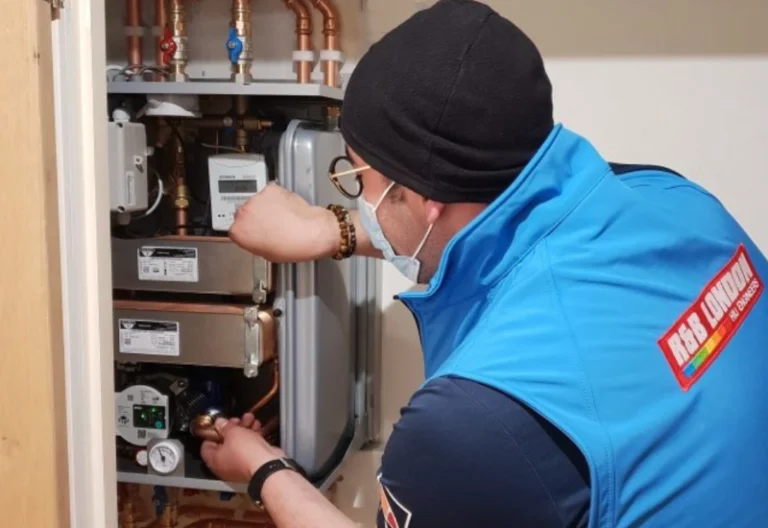

A mechanical technician specialises in the maintenance, inspection, repair and optimisation of mechanical systems and machinery. In the machinery maintenance UK sector, their work keeps production lines, utilities and buildings running with minimal disruption.
The core purpose of the mechanical technician role is to ensure plant reliability, reduce downtime and extend equipment life. They combine hands-on tasks with technical diagnosis and preventative strategy to support continuous production and service delivery.
Typical equipment includes pumps, compressors, HVAC units, conveyors, gearboxes, internal combustion engines, hydraulic and pneumatic systems, mechanical elements of industrial robots and rotating equipment. These technicians routinely work across manufacturing plants in the Midlands and North, rail maintenance depots, energy and utilities sites, offshore platforms and NHS estates departments.
The strength of mechanical technician specialisations lies in blending practical skills such as manual machining and welding with the use of diagnostic instruments and computerised maintenance management systems (CMMS). This interplay makes them problem-solvers and guardians of continuity in manufacturing, transport and facilities management.
What does a mechanical technician specialize in?
Mechanical technicians carry a mix of hands-on tasks and planning duties that keep machinery reliable and safe. Their day-to-day work ranges from routine inspections and preventative maintenance to fault diagnosis, corrective repairs and component replacement. They record jobs in a CMMS and advise managers on lifecycle costs and spare-part ordering.
Overview of core responsibilities
Key mechanical technician responsibilities include alignment and balancing of rotating equipment, bearing replacement, seal and gasket repairs, shaft work and fabrication of temporary or permanent components. Technicians reassemble and test systems, complete safety checks and ensure compliance with site procedures.
Non-technical duties matter as much as mechanical tasks. Technicians liaise with engineers, order parts, update maintenance logs and explain repair options to facilities staff. Small jobs often require rapid decision-making and clear communication.
For practical guidance on HVAC tasks that overlap with many of these activities, see this useful summary of daily duties here.
Common industries and workplaces in the UK
Industries for mechanical technicians UK cover a wide spectrum. Manufacturing sites include automotive and aerospace supply chains around the West Midlands and South West, plus food and beverage plants where hygienic machinery is essential.
Energy and utilities employers range from power stations to water works run by firms such as Severn Trent and United Utilities, and to onshore and North Sea oil and gas facilities. Transport roles appear in rail depots, bus fleets and airside operations at airports.
Facilities and building services require plant room expertise in hospitals, universities and commercial estates. Construction and plant hire companies need technicians for cranes, excavators and site machinery.
How specialisations vary by sector
Sector specialisations mechanical technician depend on the asset base and local industry clusters. A marine technician focuses on propulsion, ballast and corrosion control, while a food-industry technician prioritises stainless-steel fabrication, hygienic welds and CIP protocols.
Hydraulics and pneumatics specialists suit heavy engineering. Rotating-equipment experts work in power generation on turbines and compressors. Aerospace roles demand precision assembly and close-tolerance machining.
Regional clusters shape career paths. Aberdeen and parts of Scotland favour offshore competencies. The West Midlands rewards automotive precision and assembly skills.
Key skills and technical expertise of a mechanical technician
Mechanical technicians combine hands-on craft with theoretical know-how. Strong mechanical technician skills help them interpret machine behaviour, maintain precision, and support safe operation across sites. The next parts outline the knowledge areas, fault-finding approaches and the instruments they rely upon.
Mechanical systems and component knowledge
A competent technician understands core mechanics, tribology, material properties and basic hydraulic and pneumatic theory. Power transmission topics such as belts, chains and gears sit alongside sealing technology in daily work.
Familiarity with components is essential. Bearings, seals, couplings, shafts, valves, pumps, motors, gearboxes and fasteners must be recognised at a glance. Work requires strict adherence to assembly tolerances, correct fitment and accurate torque specifications.
Diagnostic and troubleshooting techniques
Effective troubleshooting mechanical systems begins with clear symptom collection. The best technicians use root-cause analysis, fault trees and logical elimination to narrow options quickly.
Common diagnostic techniques include listening for characteristic vibration patterns, interpreting oil analysis, running pressure and flow checks, using thermal imaging to find hotspots and doing electrical checks on motor-driven equipment. Case examples help make methods concrete: cavitation in pumps is spotted by low suction pressure and erratic flow, misalignment shows a distinct vibration signature, and careful tests separate mechanical failure from an electrical fault.
Use of tools, instrumentation and calibration
Hand tools form the backbone of workshop skill: spanners, micrometres and feeler gauges feature alongside power tools, hydraulic jacks and cranes. Technicians must handle workshop machinery with care and precision.
Instrumentation expands diagnostic reach. Vibration analysers from Fluke or SKF, FLIR infrared cameras, ultrasonic detectors, multimeters, tachometers and pressure or flow devices are commonly used. Regular calibration of these items is vital.
Calibration tools and traceability matter for reliable results. Instruments should be verified at defined intervals and, where required, traceable to UKAS standards. Clear records of calibration ensure diagnostics remain trustworthy and repeatable.
Maintenance specialisations: preventive, predictive and corrective maintenance
Maintaining plant and machinery demands clear specialisation. A preventive maintenance technician plans routine work to reduce unplanned stops, schedule timely repairs and extend equipment life through lubrication, filter changes, inspections and adjustments. Good programmes use calendar-based, runtime-based and condition-triggered tasks entered into a CMMS such as SAP PM or IBM Maximo.
Key KPIs guide decisions. Monitor mean time between failures (MTBF), mean time to repair (MTTR) and maintenance backlog to measure success. Strong scheduling balances production needs with service windows and spare parts availability.
Preventive maintenance programmes and scheduling
Effective preventive regimes set clear objectives: cut sudden downtime, plan repairs and protect asset life. Tasks are small and repeatable so teams complete them reliably. Routine checks reduce surprises and support inventory planning for spare parts.
Scheduling strategies vary by asset criticality. Calendar triggers fit non-critical items, runtime triggers suit equipment that wears with use, and condition triggers tie work orders to specific measurements. Entry into a CMMS creates audit trails and prioritises work.
Predictive maintenance technologies (vibration analysis, thermography)
Predictive maintenance in the UK leans on smart sensors and analytics to spot faults before they force shutdowns. Vibration analysis thermography are core tools for condition monitoring. Vibration analysis detects imbalance, misalignment, looseness and bearing faults.
Infrared thermography highlights overheating bearings or electrical connections. Oil and lubricant analysis finds contamination and wear particles. Suppliers such as SKF, Emerson and Fluke offer programmes for baseline characterisation and trend analysis.
Industry 4.0 brings remote monitoring, IoT sensors and cloud analytics that trigger work orders ahead of failure. Read more on how AI enhances predictive systems in this overview of AI in predictive maintenance.
Corrective repairs and rapid fault rectification
Corrective maintenance practices respond to failed equipment. Teams triage faults, isolate and make safe, fit temporary workarounds and carry out final repairs. Rapid fault identification keeps production loss to a minimum.
Emergency response requires parts logistics and multi-skilled technicians able to perform cross-discipline fixes. Post-fault root-cause analysis prevents repeat events and feeds improvements into preventive and predictive programmes.
Combining well-planned preventive work with predictive maintenance UK tools and disciplined corrective maintenance practices creates resilience. That approach keeps assets reliable, reduces costs and helps technicians focus on lasting fixes rather than repeated firefighting.
Fabrication, assembly and precision machining skills
Mechanical technicians who master fabrication and assembly bring drawings to life and keep plant running. Strong fabrication skills mechanical technician deliver mean faster repairs, crisper assemblies and fewer repeated faults. A practical grasp of engineering drawing reading sets the foundation for accurate parts and safe joins.
Reading and interpreting engineering drawings
Technicians must read orthographic drawings, assembly diagrams and section views with confidence. They spot tolerances, surface finish symbols and the basics of geometric dimensioning and tolerancing (GD&T) to set acceptance limits.
Converting a drawing into a finished part requires identifying critical dimensions, noting fits such as shaft bearing clearances, and checking gasket seating surfaces. Measuring tools like micrometres, verniers and dial indicators verify components against the specification.
Clear engineering drawing reading reduces rework. It speeds decisions on whether to machine, shim or replace a component.
Welding, brazing and mechanical joining
Practical joining techniques include MIG/MAG and TIG welding for steel and stainless steel, with brazing and soldering used for copper and brass. Bolted, keyed and pinned assemblies remain vital where dismantling is routine.
Quality control follows welding procedure specifications and may require pre- or post-heat treatment. Non-destructive testing such as dye penetrant or magnetic particle inspection verifies joint integrity.
In the food sector, hygienic weld finishes matter. Marine and offshore work demands corrosion-resistant practices. Familiarity with welding brazing UK standards helps technicians meet those industry needs.
CNC basics and workshop best practice
Understanding CNC basics empowers technicians to produce urgent spares and cut downtime. Core ideas include the principles of CNC milling and turning, basic G-code concepts, tooling selection and setting work offsets.
Good workshop practice keeps people and machines safe. Housekeeping, tool control, lockout/tagout, correct PPE and regular calibration of machine tools prevent accidents and scrap.
Technicians skilled in CNC basics and manual machining add value by turning drawings into parts on site. That hands-on capability shortens lead times and supports continuous operation.
Health, safety and regulatory knowledge for mechanical technicians
A strong safety mindset protects people, plant and the environment. Mechanical technicians in the UK must know key legislation and standards, carry out clear risk assessments and follow documented safe systems of work. Practical competence and careful planning keep projects moving while reducing harm.
UK health and safety standards relevant to technicians
Familiarity with the Health and Safety at Work etc. Act 1974 sits at the heart of daily practice. Technicians should apply the Provision and Use of Work Equipment Regulations (PUWER), Control of Substances Hazardous to Health (COSHH) and British Standards such as BS EN ISO 12100 for machinery safety.
Responsibilities include producing risk assessments, ensuring correct manual handling, safe use of tools and equipment, and following procedures for working at height and confined space entry. Electrical isolation principles must be respected, with qualified electricians carrying out live electrical work.
Guidance from the Health and Safety Executive and sector bodies such as the Energy Institute and the Rail Safety and Standards Board helps interpret standards for specific workplaces.
Safe systems of work and permit-to-work procedures
Permit-to-work systems bring structure to hazardous tasks. Typical permits include isolation permits, hot work permits, confined space entry permits and working-at-height permits. These documents co-ordinate activity and record controls before work begins.
Standard isolation and lock-off/tag-off methods reduce the risk of unexpected energisation. Use of barriers, clear signage and formal handover notes prevents confusion when multiple trades are present.
Competency checks are essential. Technicians should hold relevant certificates such as IPAF for aerial access and recognised confined space training. Teams must rehearse emergency rescue plans so every member knows their role.
Environmental considerations and waste handling
Environmental responsibility links directly to good maintenance practice. The Environmental Protection Act and Duty of Care regulations govern disposal of hazardous wastes like used lubricating oils, solvents, coolants and contaminated rags.
Spill response starts with fast detection, containment and correct segregation of waste. Leak monitoring and timely repairs cut waste volumes. Firms are moving towards lower‑hazard lubricants and refrigerants in line with F-gas controls.
Recycling and parts reclamation lower costs and demonstrate stewardship. Training environmental waste handling technicians on proper labelling, storage and disposal creates compliance and a business case for sustainable maintenance.
Career pathways, qualifications and professional development
Mechanics and technicians aiming to grow their careers need clear routes and recognised credentials. Entry routes build practical skill, while higher study opens technical and leadership roles. Practical experience remains central to long-term success.
Apprenticeships, NVQs and HNDs relevant to mechanical technicians
Common formal routes include Level 2 and Level 3 engineering apprenticeships, City & Guilds and BTEC diplomas, NVQ maintenance in performing engineering operations at Levels 2 and 3, and Higher National Diplomas in mechanical engineering. Modern apprenticeships follow Trailblazer standards, pairing on-the-job training with classroom study, and many employers expect AM2 or AM2S assessment for maintenance roles.
Technicians who complete an HNC or HND can progress to a degree, aiding moves into engineer-level positions. Employers value evidence of hands-on competence alongside certificated study when assessing candidates.
Specialist short courses and certifications
Targeted short courses boost employability in niche roles. Vibration analysis training is available from providers such as Mobius Institute or SKF, while thermal imaging comes with ITC accreditation. Hydraulics and pneumatics courses from Eaton or Parker give practical system knowledge.
Accredited welding qualifications via The Welding Institute or TWI sit well with fabrication demands. Safety and compliance training, including IOSH Managing Safely, IPAF and NEBOSH, prepares technicians for supervisory duties. Vendor-specific micro-credentials from Siemens, ABB and Schneider often lead to immediate workplace value.
Progression to engineer, supervisor or maintenance manager roles
Typical career paths run from senior technician to shift leader or supervisor, then to maintenance manager. An alternative route sees technicians become specialist engineers in rotating equipment or reliability engineering after further study and experience.
Progression requires people management, budgeting, maintenance planning and strategic reliability skills. Professional registration as an Engineering Technician (EngTech) through institutions such as the Institution of Mechanical Engineers provides formal recognition and can accelerate promotion.
Entrepreneurial options exist for those who prefer self-employment. Starting a maintenance contracting business or a reliability consultancy needs commercial understanding, client management and robust technical credentials.
For a practical view of daily tasks and how training links to on-site work, read this guide on HVAC roles and career development here.
How employers assess and hire mechanical technicians
Employers hiring mechanical technicians UK prioritise clear technical competence, safety awareness, diagnostic ability, reliability and cultural fit. Multiskilled technicians who can cover fabrication, maintenance and fault finding are especially valuable because they reduce the need for specialist call-outs and keep plant running. Sector differences matter: offshore roles demand relevant certifications and medical fitness, rail requires competency cards such as NRQ and card schemes, and the food industry looks for hygiene training and documented cleaning regimes.
Mechanical technician recruitment typically combines competency-based interviews with practical assessments. Technician assessment tests often include hands-on assembly tasks, fault-finding exercises and timed repairs. Employers also use psychometric or aptitude tests to gauge logical reasoning, and short on-site trial shifts to observe behaviour under pressure. Candidates are encouraged to present portfolios with NVQs, apprenticeship certificates and maintenance logs as tangible proof of experience.
Interview questions mechanical technician roles centre on real examples: describe a past fault diagnosis, explain a maintenance programme you followed, or outline how you improved machine reliability. Reference checks are routine, and roles with secure or vulnerable-site access may need DBS checks. Salary expectations vary by region and sector, with common extras such as shift allowances, overtime and training support; many employers offer NVQ sponsorship and certification reimbursement as part of the package.
Best practice in mechanical technician recruitment is to use structured competency frameworks, combine interview evaluation with practical assessments, and weigh cultural fit and commitment to continuous professional development. This approach helps hire technicians who improve asset reliability, mentor colleagues and contribute to safer, more productive workplaces across the UK.