
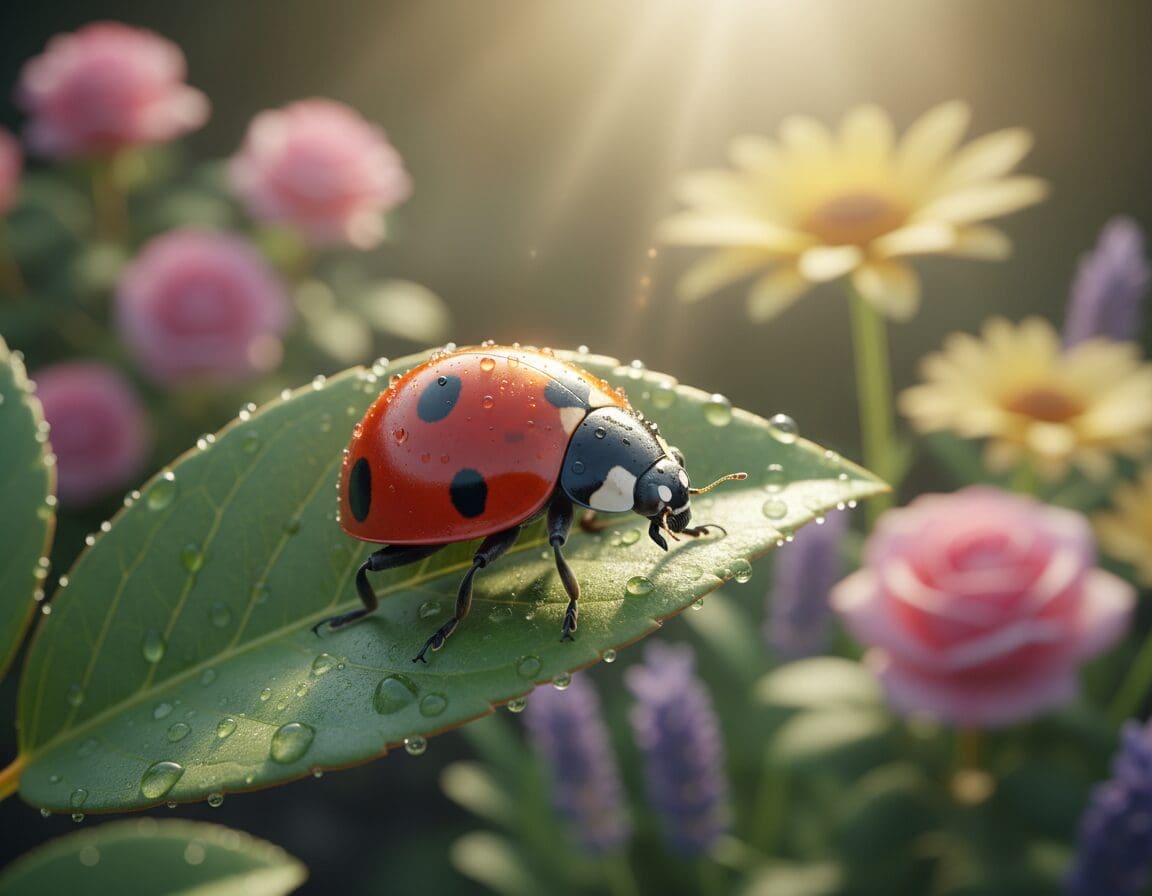
What does a ladybug mean is a question that mixes curiosity about nature with deeper symbolic questions. In the United Kingdom, the ladybird is both a familiar garden visitor and a figure in children’s rhymes, so exploring ladybug symbolism feels close to home and useful for everyday reflection.
Biologically, ladybugs (also called ladybirds or Coccinellidae) are small beetles with bright, often spotted elytra. They eat aphids and other garden pests, making them welcome helpers in allotments and flower beds. That helpfulness gives rise to many symbolic associations such as protection and nurturing.
This guide previews several central themes: luck, protection, love, prosperity, renewal and spiritual messages. These strands of symbolism of ladybugs come from what people observe — for example, ladybirds arriving in gardens during the growing season — and from centuries of cultural storytelling across Europe.
The tone here is gently inspirational and aimed at readers across the UK who recognise countryside images and the sight of a ladybird on a nettle or rose. The following sections look at origins, regional variation, spiritual meaning, historical stories and practical ways to honour the ladybird meaning, so you can reflect on personal encounters and apply the ladybug spiritual meaning in mindful practice.
what does a ladybug mean
Ladybugs have long captured the imagination of gardeners, storytellers and rural communities. Their bright colours and helpful habits turned a simple beetle into a rich symbol with layers of meaning across time and place. Below we trace key threads that shaped how people came to see these insects as signs and helpers in everyday life.
Origins of ladybug symbolism
The common English name ladybird emerged in medieval Europe. Farmers facing crop threats turned to prayer and gratitude when these beetles arrived to eat aphids. People linked the insect to the Virgin Mary, calling it “Our Lady’s bird.” This etymology sits at the heart of many British and wider European folk beliefs about protection and blessing.
Practical observation underpinned the symbolism. Ladybirds are predators of garden pests, a fact gardeners and agrarian communities noticed and celebrated. Their striking red, orange and patterned wings made them easy subjects for rhyme, art and oral lore.
Common interpretations: luck, protection and prosperity
Across cultures, people associate a landed ladybug with good luck. Popular sayings suggest that the number of spots may forecast years of fortune. Such small rituals give the encounter everyday magic.
Ladybug protection symbolism derives from the insect’s pest-control role. Farmers and gardeners treated sightings as signs their crops and homes were guarded. Charms and simple verses echoed this belief in rural Britain and beyond.
Prosperity themes follow naturally. A garden that attracts ladybugs promised healthier plants and better harvests. In folk thought, that translated into abundance, favourable weather and household wellbeing.
Love and relationships feature in some tales. Counting spots to predict romantic luck shows how flexible these meanings became, shaping both practical hopes and private amusements.
Regional and cultural variations in meaning
In Europe, and especially within ladybird folklore UK, the Christian-era link to the Virgin Mary remains prominent. Nursery rhymes and children’s books reinforced a gentle, protective image that endures in modern British culture.
North American stories adopted similar lucky and kind associations. Popular culture and picture books portray ladybugs as friendly symbols that bring comfort to children and gardeners alike.
East Asian perspectives vary by locality. Bright insects often signal seasonal change or good fortune in local tales. Specific meanings depend on species and regional traditions.
Different colours and spot patterns invite nuanced readings. Unusual hues or rare species sometimes become special omens in certain communities. Global media, conservation groups and gardening networks have helped standardise many positive interpretations while local customs still shape subtle differences.
Spiritual and symbolic meanings of ladybugs for wellbeing
Ladybugs have long served as gentle symbols that support psychological and emotional health. Noted for small-scale charm, they invite mindfulness, gratitude and a pause in busy days. This section explores how the ladybug spiritual meaning can be used as a practical tool for wellbeing.
Ladybugs in dreams and their spiritual messages
Dreams featuring ladybugs often feel tender and hopeful. Common scenes include a ladybug landing on skin, swarms in a garden, or watching one fly away. These images carry a range of intuitive signals such as good fortune, approaching change or reassurance.
When you interpret ladybug dreams meaning, check the dream context. Ask how you felt, how many appeared and whether they stayed or flew off. Keep a dream journal to spot patterns and personal symbols. Use these notes as prompts for reflection rather than fixed prophecy.
Use of ladybug imagery in meditation and affirmation
Ladybird meditation can centre attention on small blessings and steady protection. Try a short visualisation: imagine a ladybug resting on your shoulder, offering quiet companionship and calm. Breathe slowly and welcome feelings of safety.
- Affirmation example: “Small blessings arrive when I am open.”
- Affirmation example: “I am protected and supported in growth.”
Creative practices include journalling prompts about gratitude, making a simple ladybug altar, or placing an image on your desk to invite mindful pauses. These acts help link symbol and daily habit.
How to interpret repeated ladybug encounters
Encountering ladybugs repeatedly can feel like a meaningful nudge. Read such patterns as invitations to notice abundance, tend relationships or reflect on life shifts. Note timing, location, numbers and your feelings each time you see one.
Combine symbolic reading with ecological facts. Ladybugs show up more in spring and summer when gardens are healthy. If you find many around a patch of plants, the symbolic wellbeing ladybugs represent may echo the real success of your care.
Practical reflection steps:
- Record each sighting briefly: date, place, count and mood.
- Look for seasonal or behavioural patterns before assigning deeper meaning.
- Use sightings as prompts for small, kind actions toward self or environment.
Seen as a symbol, the ladybug can support gentle inner work. Pair observation with mindful practice to turn chance encounters and ladybug dreams meaning into moments that strengthen emotional balance and everyday joy.
Historical and cultural stories about ladybugs
Medieval Europe placed the ladybird at the heart of agrarian life. Peasants told how the Virgin Mary protected crops by sending these beetles to eat pests. That tale gave rise to the English name ladybird and the French phrase bête à bon Dieu. Such accounts form a core strand of ladybug folklore and explain part of the historical meaning of ladybugs.
Children learned respect for the insect through rhymes and simple tales. Nursery verses and picture books across the UK cast ladybirds as kind helpers in the garden. Those ladybird stories shaped lasting affection and linked early childhood memories to nature’s small wonders.
Folk beliefs added practical twists. People counted spots to predict luck or the months until a wish might come true. Spot-counting traditions vary by region, yet the idea persists in many cultural tales ladybirds. Farmers watched clusters of beetles as signs of a good season. Such weather lore and omen tales form a rich layer of ladybug myths that guided everyday decisions.
Across the Atlantic, settlers and Native American groups blended meanings. In North America, some traditions paired the beetle with renewal and spring. That mix led to new variants of ladybird stories and broadened the insect’s symbolic reach in local folklore.
Modern storytelling keeps the theme alive. Children’s literature, cartoons and brands use the bright red beetle as a symbol of friendliness. Popular characters and campaigns help maintain positive associations and encourage conservation. These portrayals reinforce the ladybug myths and promote interest in species diversity.
Scientists and organisations have their own narratives. Entomologists and groups such as the Royal Entomological Society and various UK wildlife trusts document species, study declines and advocate for habitat protection. Reports on the harlequin ladybird, Harmonia axyridis, show how invasive species can disrupt native populations. Conservation accounts now join historical meaning of ladybugs and modern science to frame these insects as indicators of biodiversity.
When religious lore, folktales, scientific study and modern culture are read together, a continuous story emerges. The convergence of faith-based gratitude, playful ladybug folklore, weather lore, and active conservation creates a layered portrait. That portrait keeps the ladybug’s reputation as a bringer of luck, protector of gardens and emblem of small but vital life in nature.
Practical ways to honour the ladybug’s symbolism in daily life
Pause for a moment when you spot a ladybird and use that sighting as a small mindful ritual. Take a slow breath, note one thing you are grateful for and let the encounter ground you. These simple pauses help honour ladybug symbolism and build a habit of noticing everyday beauty.
Bring ladybird imagery into home and workspaces to keep that gentle reminder close. Choose tasteful prints, cushions or small ceramic figures from British craftmakers or high-street stores to evoke protection and positivity. Such visual reminders support symbolic practices ladybirds without overwhelming your decor.
Make the garden a haven for native species with practical ladybug garden tips: plant umbellifers, marigolds, nasturtiums and a variety of native flowering plants, provide shallow water sources and create shelter with log piles or dense foliage. Avoid broad-spectrum pesticides and consult Royal Horticultural Society resources or local wildlife trusts for region-specific advice on how to attract ladybugs safely.
Combine ritual with action: light a candle bearing a ladybird motif as a moment of thanks, keep a seasonal log of sightings, paint stones with children or set up a small “lucky corner” of plants. Join citizen science schemes and gardening clubs to link ladybird rituals with conservation. Respect native populations—do not release non-native commercial ladybirds—and seek guidance from reputable conservation groups if rewilding help is needed.