
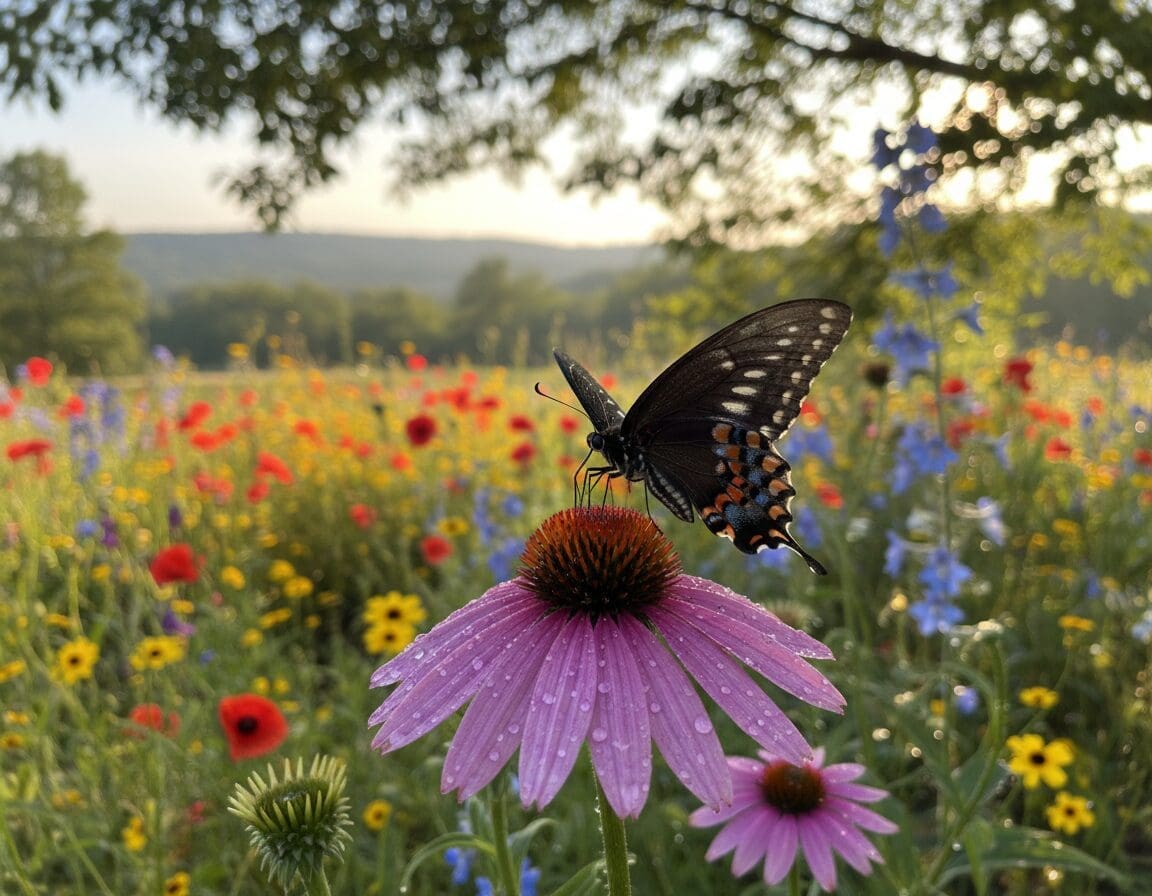
Black butterfly meaning can be both uplifting and solemn. This short introduction sets out the aim: to explore what does a black butterfly mean across symbolic, spiritual and practical lenses for readers in the United Kingdom.
Butterfly symbolism UK is varied. In some traditions a dark wing marks transformation, resilience and renewal. In others it signals mourning or an ending. Personal context, timing and cultural background shape how a sighting is understood.
Why this matters day to day: a single sighting can prompt reflection, offer comfort after loss, or inspire change in how we live. We also look at how the sighting connects to conservation, species ID and spotting tips for the UK.
This article draws on folklore studies, comparative religion, psychological research on symbolism and grief, and entomological sources such as Butterfly Conservation and the Natural History Museum.
What follows is a clear structure: symbolic meanings (transformation, cultural and emotional readings), spiritual and mystical interpretations (messengers, afterlife connections, how to interpret a sighting), and practical perspectives (scientific identification, conservation and spotting black butterflies in the UK).
what does a black butterfly mean
The sight of a dark-winged butterfly often sparks curiosity and quiet reflection. Across traditions, the motif of metamorphosis — caterpillar to chrysalis to butterfly — serves as a clear image of personal change. This section explores how black butterfly symbolism links to transformation and rebirth, cultural readings and the emotional meanings people attach to such encounters.
Symbolism in transformation and rebirth
The caterpillar’s slow work and the hush of the chrysalis form a universal tale of renewal. In this telling, transformation and rebirth butterflies embody emergence from a period of hardship into a renewed state. A black or dark-coloured specimen can suggest coming out of darkness, resilience after trials and a solemn dignity to inner change.
Readers may find this image useful when facing endings that invite new beginnings. Use the symbolism as a prompt for reflection on recovery after illness or grief, or as encouragement to revise beliefs and behaviours with quiet resolve.
Common cultural and historical interpretations
Butterfly folklore appears in many societies as markers of soul, omen or messenger. In Indigenous and pre-industrial cultures, dark butterflies were sometimes read as protective spirits or signs that change was near. In parts of rural Europe, sightings of darker moths and butterflies fed local superstitions and portents.
Literature and art shifted meanings over time. Western Romantic poets and Victorian writers often used butterflies to symbolise the soul and transformation. Eastern traditions, including some Chinese interpretations, view butterflies as tokens of love and renewal, where darker specimens may suggest contemplative or protective transformation. Readers should weigh folkloric claims against documented sources such as The Folklore Society and regional collections when seeking reliable context.
Emotional and psychological meanings
Psychology offers further layers. Jungian and archetypal readings treat the butterfly as an image of ego transformation or anima and animus work. Black variants can point to shadow integration, where facing denied parts of the self becomes a path to wholeness.
After bereavement, people often report black butterfly sightings as consoling focus for memory and meaning-making. Counselling approaches used by bereavement charities and therapists acknowledge that symbolic signs can aid emotional processing and recovery.
Personal taste affects tone. A black butterfly may feel elegant and empowering to one person, ominous to another. Try journalling about a sighting or discussing it with a trusted friend to clarify what the image means for you.
Spiritual and mystical meanings of black butterflies
Across many faiths and contemporary paths, black butterflies appear as subtle prompts to look inward. The spiritual meaning black butterfly often links to quiet transformation, protection and invitations to examine inner life. People from different traditions treat such encounters as openings for reflection rather than fixed forecasts.
Black butterflies as messengers in spiritual traditions
Shamanic practitioners in parts of the Americas and Australia regard winged insects as guides between worlds. In these contexts a black butterfly messenger can signal guidance, a needed change or a protective presence. Contemporary pagan groups and neo-shamanic circles repeat similar themes, reading a sighting as encouragement to rethink cycles of life and death.
Connections to the afterlife and ancestor signs
Some Mexican, Mediterranean and Pacific Islander customs describe butterflies as returning souls or visits from relatives who have passed. Such beliefs vary by region and culture. Not every practice equates dark-coloured butterflies with the dead; colour can mean different things in local lore.
Funeral directors, chaplains and bereavement counsellors often report that clients find comfort in natural signs. For many, butterflies and afterlife imagery serve as soft rituals that ease grief and offer a sense of contact without claiming proof.
Practical ways to honour a meaningful sighting include pausing in silence, lighting a candle or creating a small garden token in memory of a loved one. These acts can support mourning while keeping interpretation personal and grounded.
How to interpret a sighting: intention and context
Mindful attention helps when interpreting butterfly encounters. Note the place, time and your thoughts at the moment of sighting. Simple steps such as a few breaths, jotting down immediate impressions and listing recent dreams or calls can reveal personal meaning.
- Ask reflective questions: What was on my mind? Am I at a turning point?
- Notice emotions: Do I feel comforted, alerted, or challenged?
- Choose responses that empower you: creative work, a conversation, or seeking support.
Interpreting butterfly sightings should invite agency and healing. Treat the encounter as a prompt for inner dialogue rather than a prophecy. Many people use rituals or creative expression to integrate the experience, turning a moment with an ancestor signs butterfly into a gentle source of guidance and care.
Practical perspectives: science, conservation and spotting black butterflies in the UK
Scientific identification matters because many dark-winged moths are mistaken for black butterflies. Diurnal butterflies fly in daylight and usually rest with wings closed; most moths are nocturnal and rest with wings flat. To identify black butterflies look for behaviour, wing shape and antennae type. Refer to Butterfly Conservation UK and the Natural History Museum resources when you need firm confirmation of black butterfly species UK.
Common UK species show dark features rather than true black wings. The European peacock has a dark underside, some skippers appear darker at a glance, and native moths such as the elephant hawk-moth are often misread as black. The non-native black witch does not occur here, so check UKMoths, field guides and Roger Tory Peterson-style plates to distinguish taxa and confirm sightings.
Recording and photography help science and conservation status butterflies assessments. Take clear photos, note date, location and habitat, and upload records to iRecord, iNaturalist or Butterfly Conservation’s recording schemes. Good notes improve the chance to identify black butterflies UK accurately and feed data used by researchers and county recorders.
Threats are familiar: habitat loss, agricultural intensification, pesticides, climate change and invasive species. Dark-coloured species are not exempt. You can help by planting native nectar and larval foodplants, creating nettle patches for caterpillars, avoiding pesticides and joining local groups or reserves run by Butterfly Conservation UK, RSPB and wildlife trusts. For spotting butterflies UK, visit wildflower meadows, hedgerows and woodland edges in spring and summer, use a camera and field guide, and observe ethically—do not handle insects or remove plants. Appreciating black butterflies blends wonder with stewardship; each careful record and garden patch supports the next sighting.