
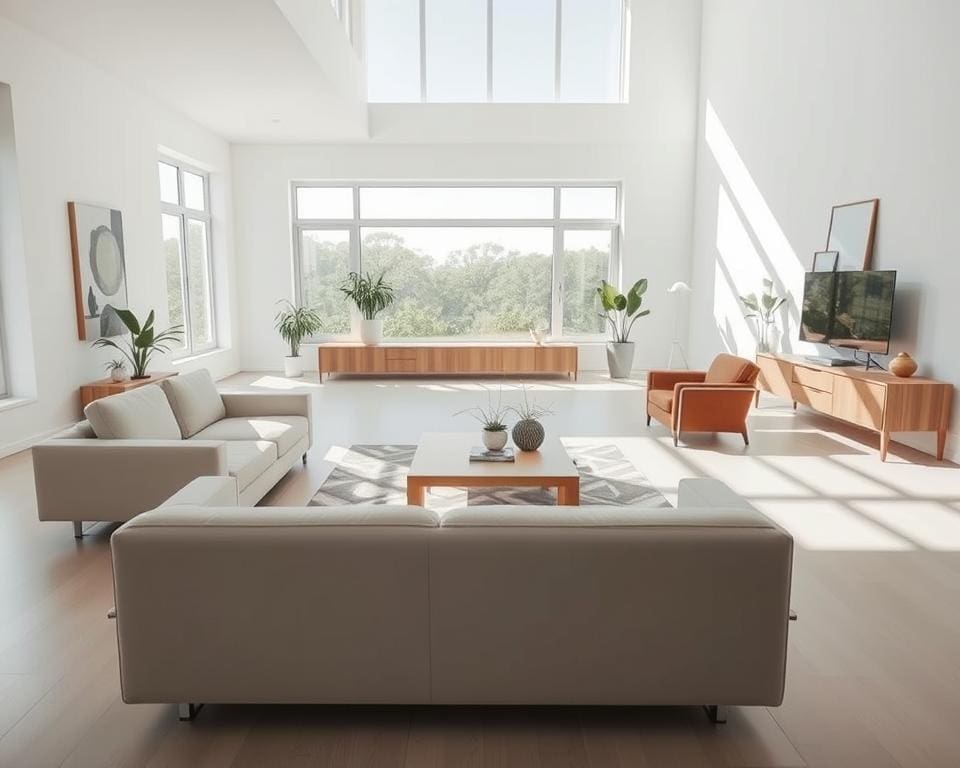
Modern minimalist style is an approach to interior design and daily living that values clarity, calm and considered reduction. It answers the question what is modern minimalism by focusing on essentials: keeping what matters and removing visual and functional clutter to prioritise quality, light and ease.
The idea grew from 20th‑century modernism, notably the Bauhaus school and architects such as Ludwig Mies van der Rohe, whose “less is more” maxim still informs minimalist interior design today. Japanese wabi‑sabi contributes a respect for natural materials and modest beauty, while Scandinavian design adds warmth and practicality for everyday life.
At its core, modern minimalism aims to create serene, streamlined spaces that support wellbeing. For many in the UK, a minimalist home UK means brighter rooms, a sense of space, lower stress and easier cleaning — practical benefits as well as aesthetic ones.
This style is not the same as austere or clinical minimalism. Contemporary practice often introduces texture, timber tones and personal objects so a minimalist interior design feels lived‑in and cosy rather than sterile. The result suits British tastes for comfortable, functional homes.
In the sections that follow, we will outline the core principles and visual cues to recognise modern minimalism, offer design strategies to make it warm and liveable, and set out practical steps to adopt the style sustainably in everyday life.
What defines a modern minimalist style?
Modern minimalism grows from a clear idea: less that is better. Rooms are pared back so light, form and use can breathe. This brief introduction shows how the principles of modern minimalism shape choices in layout, finish and furniture.
Core principles of modern minimalism
Simplicity guides every decision. Each item must have purpose; ornamentation yields to function. Designers favour open plans and intentional negative space to make circulation and sightlines feel effortless.
Quality over quantity is a central tenet. Choosing durable pieces reduces waste and supports longevity. Brands such as Muji and John Lewis & Partners offer accessible options that align with this approach.
Visual characteristics to recognise
Look for clean lines and restrained geometry. Furniture and joinery avoid ornate detail and prefer subtle curves or straight edges. Colour schemes stay muted, with off‑whites, warm greys and muted beiges dominating the base palette.
Natural light and minimal window dressings enhance volume. Storage is mostly concealed; a few well‑placed artworks or accessories provide focus without clutter. These minimalist visual characteristics help a room feel calm and considered.
Materials and textures commonly used
Natural materials form the backbone of this style. Oak and ash timber bring warmth, honed stone gives solidity, and blackened steel or brushed metal add crispness. These materials for minimalist interiors create a layered, tactile scheme.
Soft, matte finishes prevent glare. Linen, wool and cotton introduce gentle texture while keeping a serene look. Balanced use of minimalist textures—smooth concrete or terrazzo paired with rugs and throws—stops spaces feeling cold.
For practical inspiration and furniture ideas, see curated selections at modern minimalist furniture, which illustrate how the principles of modern minimalism translate into everyday rooms.
How to design a modern minimalist interior that feels warm and liveable
Creating a warm, modern minimalist home relies on careful choices that keep rooms calm and inviting. Focus on flow, light and a restrained palette. Small, intentional changes make spaces feel lived in without clutter.
Planning the layout for flow and function
Start by zoning each room so functions are clear. Use multipurpose pieces such as an extendable dining table or a console that doubles as a desk. These ideas follow minimalist layout tips that preserve circulation paths and sightlines to windows.
Concealed storage keeps surfaces calm. Consider fitted cabinetry from a local British carpenter or modular options from IKEA’s SEKTION and John Lewis to achieve a fitted look on a budget. Built‑in wardrobes and underbed drawers help maintain a neat visual plane.
Scale matters. Choose pieces that fit the room footprint and use architectural features, like alcoves or a fireplace, as anchors rather than filling them with small items.
Choosing a colour scheme and lighting strategy
Begin with a neutral base of warm whites, muted greys or soft taupes. Add curated accents such as deep forest green, indigo or terracotta in cushions, upholstery or art to give personality without noise. These suggestions reflect practical colour schemes minimalist schemes that age well.
Layer lighting for depth. Combine ambient fixtures, task lamps and accent lights. Aim for warm LED temperatures around 2700–3000K to avoid a clinical feel. Install dimmers so atmosphere can be tuned from day to night.
Window treatments should be simple. Full‑length curtains in linen or wool and slim blinds maintain privacy while letting daylight do most of the work. Minimal hardware keeps sightlines clean.
Furniture selection and styling tips
Invest in fewer, better pieces. A solid sofa, a robust dining table and well‑made joinery form the backbone of a design warm minimalist interior. Look to British makers such as Ercol for timber and Barker and Stonehouse for upholstery when sourcing furniture for minimalism UK projects.
Choose accessories with meaning. One vase, a single large artwork and a curated stack of books create focal points without clutter. Group items deliberately rather than scattering small objects around.
Introduce texture through rugs, throws and cushions in natural fabrics. Mix fine linen with chunky wool to add warmth and tactile contrast. Select washable fabrics where family life demands durability and protect high‑traffic timber with mats and durable finishes.
- Use bespoke joinery or trusted brands for built‑in solutions.
- Prioritise layered lighting for comfort and depth.
- Select a restrained palette and add one bold accent colour.
- Keep accessories few and meaningful to preserve calm.
Practical steps to adopt minimalist style in everyday life
Begin with clear, simple rules for keeping items: keep what is useful, beautiful or meaningful. Test each item by frequency of use in the last 12 months, its condition and genuine emotional value. You might try a KonMari-style pause to judge joy, but for most UK households a pragmatic utility test works best to help adopt minimalist lifestyle habits that last.
Tackle one area at a time and aim for visible wins. Start with kitchen surfaces, hallways and wardrobes to see quick results. Use entryway organisation—hooks, a tray for keys and closed shoe storage—and small daily rituals, such as a 10-minute evening tidy and a weekly surface clear, to prevent reaccumulation and support decluttering strategies.
Choose durable, repairable pieces and favour ethical sourcing when making sustainable minimalist purchases. Look to UK and European makers who offer spare parts or warranties, and consider second‑hand platforms like Gumtree, eBay or curated resellers such as Vinterior and The Future Kept for quality pre-owned finds. Upcycling, local upholsterers and low‑VOC paints extend an item’s life and reduce waste.
For small flats use multi-functional furniture, vertical shelving and light, neutral finishes to maximise space; in period properties keep original details while adding discreet modern storage. Treat minimalism as an ongoing practice: start small, keep a record of what improves wellbeing, and adopt a one‑in, one‑out rule for non‑essentials. For practical styling and space-saving ideas, see this guide on how to style a studio without clutter at studio styling without clutter.