
What can you do during a holiday in the Algarve? For many UK travellers, the answer is far broader than beaches alone. Portugal’s southern coast offers a practical mix of leisure, culture, food, scenery and business-friendly downtime. For companies arranging incentive breaks, off-site meetings or bleisure travel, the region can suit colleagues who want rest without losing access to organised activities, reliable hospitality and varied settings.
Why the Algarve works for professional travellers
The Algarve is often associated with sunshine and sea views, but its appeal for business audiences lies in its flexibility. A team can enjoy structured time together, while individuals still have room to choose quieter, more personal experiences. Coastal resorts, inland villages, golf courses, marinas and historic centres create a balanced itinerary without demanding constant long-distance travel.
For UK-based organisations, familiarity also helps. English is widely used in tourism settings, menus are generally accessible, and the pace can feel relaxed while still being service-focused. This makes the area suitable for mixed groups, senior leaders, client guests and employees with different travel confidence levels.
The destination also works across different travel styles. Some visitors prioritise wellness and fresh air. Others prefer food, culture, sport or nightlife. The Algarve’s strength is that these options sit close together, so a short stay can still feel varied.
What can you do during a holiday in the Algarve?
A holiday in the Algarve can be active, restful or a blend of both. The coastline is the obvious starting point, yet the region rewards visitors who look beyond the nearest beach. From cliff paths to market towns, there are many ways to build a memorable break around shared interests.
Explore beaches, cliffs and coastal walks
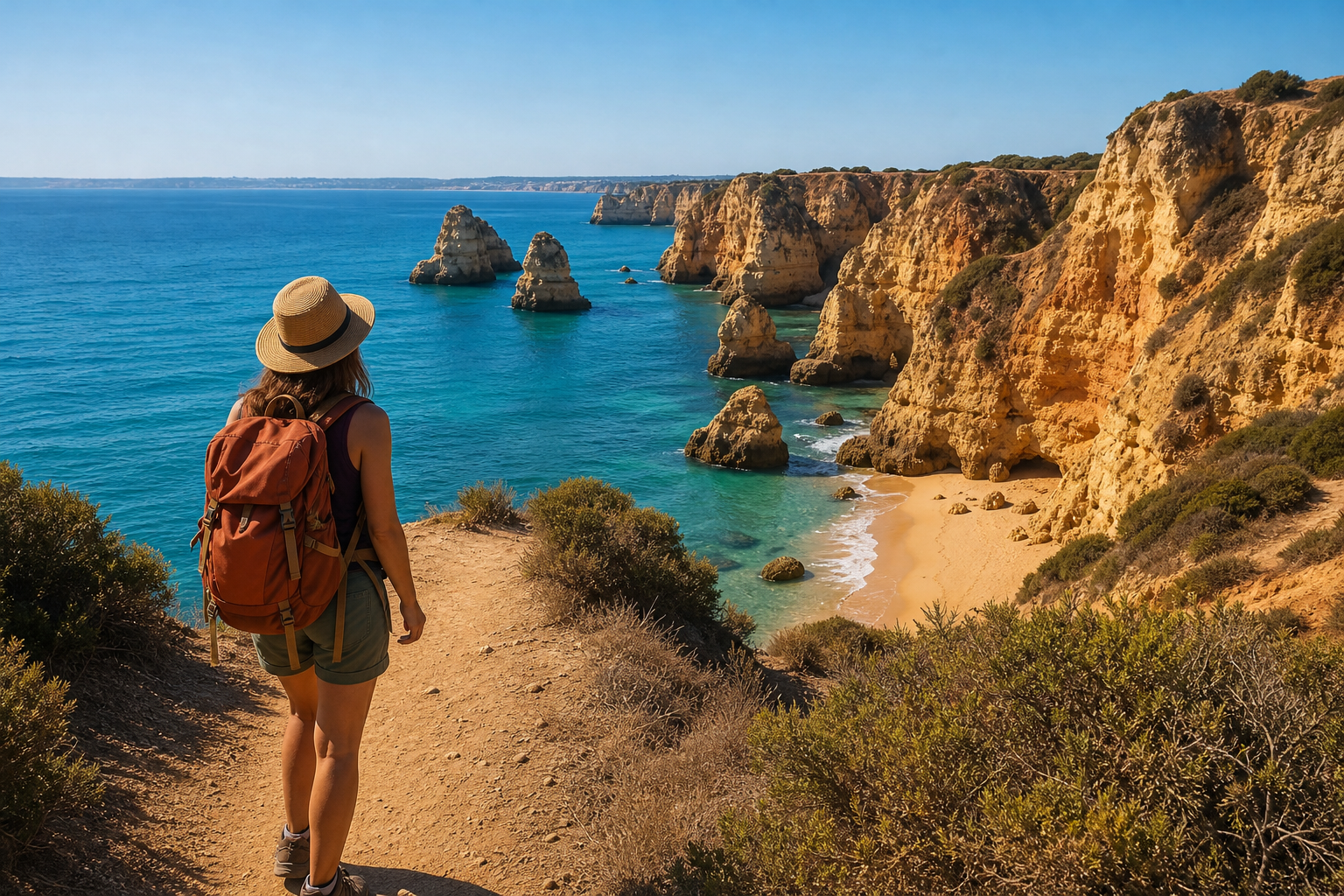
The Algarve’s beaches range from broad sandy bays to smaller coves framed by golden cliffs. Many visitors spend time swimming, reading, walking or simply enjoying the view. For business groups, a morning coastal walk can be a low-pressure way to encourage conversation outside a meeting room.
Cliff-top routes are especially popular because they offer dramatic scenery without needing specialist equipment. Sensible shoes, sun protection and water are usually enough for an easy walk. Boat trips may also appeal, particularly where sea caves and rock formations are part of the route. Conditions can vary, so reputable local operators and weather-aware planning matter.
Visit towns with character
The Algarve is not one single experience. Lagos has historic streets, sea views and a lively centre. Faro, the regional capital, offers an old town, marina and access to lagoon landscapes. Tavira is often appreciated for its quieter atmosphere, river setting and traditional architecture.
These towns suit travellers who prefer culture over resort life. They also work well for informal hosting, as groups can combine a guided walk, lunch and free time. For colleagues visiting from different UK offices, shared discovery can create a more natural sense of connection than a formal team-building exercise.
Food, culture and relaxed experiences
Food is central to the Algarve experience. Fresh fish, seafood, grilled meats, soups, salads and regional sweets are common across local restaurants. Meals tend to be social occasions, which is helpful for business groups because conversation can flow more naturally around the table.
Local markets are also worth considering. They give visitors a sense of place through fruit, vegetables, fish, cheeses and baked goods. A market visit can be a short, informal activity before lunch or a useful option for those who enjoy local colour without a packed schedule.
Culture in the Algarve is often gentle rather than grand. Whitewashed churches, tiled façades, small museums, fishing harbours and village squares all contribute to the atmosphere. This makes the destination approachable for travellers who want authenticity without feeling they need expert knowledge.
For lower-energy days, spas, hotel pools and shaded terraces provide simple downtime. This matters in a B2B context because not every traveller wants a packed programme. A good itinerary leaves space for recovery, especially after conferences, sales meetings or late dinners.
Activities for teams, clients and incentive travel
The Algarve offers many activities that can be adapted to different comfort levels. Golf is one of the best-known options, but it is not the only choice. Water-based activities, cookery experiences, wine tastings, cycling and nature visits can all fit a corporate leisure programme.
Useful options include:
- A coastal boat trip with time for scenery, photography and informal conversation.
- A group dinner centred on regional dishes and local hospitality.
- A guided visit to a historic town, followed by unstructured free time.
- A golf session or clinic for mixed-ability participants.
- A nature-focused excursion to lagoons, birdlife areas or inland landscapes.
The best activities are inclusive. Not everyone wants competition, and not everyone enjoys water or long walks. Offering a core plan with optional extras can help groups feel considered rather than managed.
Incentive travel also benefits from the Algarve’s visual impact. Sea views, sunset meals and attractive old towns give the trip a clear sense of reward. At the same time, the atmosphere is not overly formal, which can help clients and colleagues relax.
Practical planning points for UK businesses
Business travellers often value ease as much as excitement. When planning an Algarve holiday element around work, timing, location and pacing should be considered carefully. Staying in one well-chosen base can reduce transfers and make the programme feel smoother.
Seasonality matters. Summer is lively and warm, while spring and autumn may suit groups that prefer milder conditions and a calmer atmosphere. Winter can still appeal for short breaks, although some leisure services may operate differently outside peak periods.
Accessibility within the destination is another point. Older towns can include cobbled streets, steps and uneven surfaces. Beaches may not always be easy for everyone to reach. For inclusive planning, it is wise to check walking distances, transport arrangements and venue access before finalising an itinerary.
A balanced schedule might include a morning activity, a relaxed lunch, free time in the afternoon and a hosted dinner. This structure gives the day shape without making it feel like work.
Frequently Asked Questions
Is the Algarve suitable for a business and leisure trip?
Yes, the Algarve can suit combined business and leisure travel because it offers meeting-friendly hospitality, varied activities and relaxed settings for informal networking.
What is the best time for UK business groups to visit?
Spring and autumn are often comfortable for group travel, as temperatures are milder and many places feel less crowded than in peak summer.
Can non-golfers enjoy a holiday in the Algarve?
Absolutely. Beaches, towns, boat trips, food experiences, markets, walking routes and cultural visits all provide enjoyable alternatives to golf.
Is the Algarve appropriate for client entertainment?
The Algarve can work well for client entertainment because it offers attractive scenery, good dining options and a relaxed atmosphere for conversation.
How long should a corporate leisure stay in the Algarve be?
A stay of three to five days often allows time for arrival, shared activities, free time and at least one memorable group meal.