The smart home UK market is evolving fast. Advances in low‑power wireless standards such as Zigbee, Z‑Wave, Matter and Bluetooth Low Energy, together with cloud services and edge AI, are driving a new wave of innovative smart home devices that are practical for everyday living.
Homeowners, renters, landlords and builders now choose products that deliver clear benefits: lower energy bills through smart thermostats like Tado and Hive, stronger security from Ring and Arlo cameras, and seamless voice control with Google Nest and Amazon Echo. These home automation innovations also put a premium on interoperability, data privacy and simple installation.
This article introduces connected home trends and the technologies reshaping comfort, safety and sustainability. Expect examples from Apple HomeKit, Ecobee, Philips Hue, Yale and Tesla Powerwall to show how smart systems can work together to save energy, improve wellbeing and make homes easier to manage.
smart home technologies: an overview of current innovations
Smart home technology is changing how people live. This smart home overview explains the building blocks, the practical benefits and the forces shaping the market in the UK. Readers will find clear examples and guidance to help them choose systems that fit their lifestyle and budget.
Defining smart home technologies and their benefits
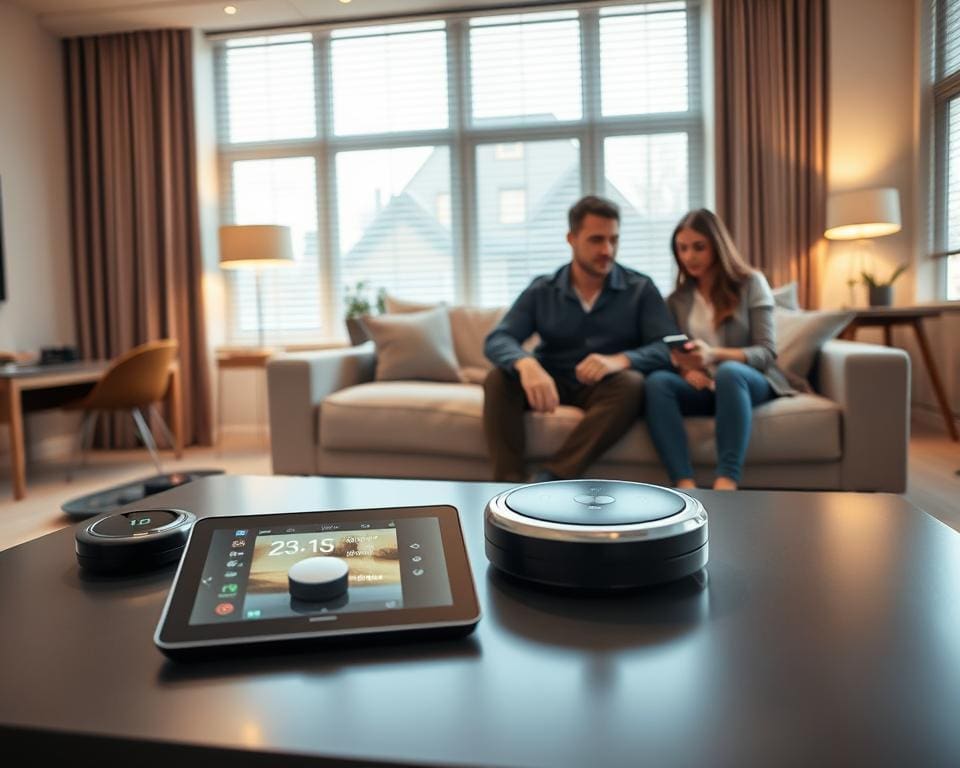
Smart home systems are networked devices, sensors and appliances that talk to each other using wired or wireless protocols to automate tasks, enable remote control and deliver contextual intelligence. Core components include motion, temperature and air quality sensors; actuators such as smart plugs and motorised blinds; hubs and smart speakers as controllers; and apps or voice assistants as the main user interfaces.
Primary benefits of smart home tech span convenience through automated routines, improved safety with real‑time alerts, energy savings from optimised heating and appliance schedules, and better accessibility via voice and assistive controls. Products like Google Nest and Tado thermostats cut heating costs with adaptive schedules. Philips Hue supports lighting scenes that help sleep cycles. Nest Protect links smoke and CO detection to phone alerts.
Trends driving innovation in the UK market
UK smart home trends reflect climate goals and changing consumer needs. Net zero targets and volatile energy prices push homeowners towards home energy management and efficiency solutions. Many people now expect remote working features and stronger personal security following the pandemic.
Technology shifts speed change. The Matter protocol moves cross‑vendor compatibility forward while better batteries and cheaper sensors expand environmental monitoring. Market dynamics show major platforms from Google, Amazon and Apple working alongside UK and European players such as Hive, Tado and Octopus Energy apps that tie devices into tariffs for smarter energy use.
How interoperability and standards shape the ecosystem
Interoperability smart devices rely on standards like Matter, Zigbee, Z‑Wave and Thread to reduce fragmentation and enable secure communication across brands. The Matter protocol aims to make device onboarding simpler and to let common control work across Apple HomeKit, Google Home and Amazon Alexa.
Security and certification matter for privacy and resilience. ETSI and BSI guidance, together with industry certification, tighten secure onboarding and reduce attack surfaces. Local edge processing gives homeowners options to limit cloud dependence and protect data.
For practical buying, choosing Matter‑certified products helps future‑proof installations. Consumers should weigh hubless versus hub‑based setups, check firmware update policies and review vendor security practices before committing to a system.
Connected living: smart security and monitoring systems
Connected homes blend protection with convenience. Advances in smart home security bring cameras, locks and sensors into a single, responsive network that keeps families safe and properties secure.
Next‑generation smart cameras deliver 4K and HDR imaging, wide dynamic range and on‑device AI for object detection. Brands such as Arlo and Google Nest use edge processing to reduce latency and protect privacy, while cloud options offer long‑term storage and advanced analytics where permitted. Doorbell cameras from Ring and Nest Hello pair with home monitoring systems to let residents speak with visitors and trigger lighting or entry automations.
Video analytics now supports activity zones, privacy modes, two‑way audio and integrated sirens. UK law, including the Data Protection Act and ICO guidance, requires careful handling of footage that may capture public spaces. Encrypted storage and clear signage help maintain compliance and neighbourly trust.
Smart locks and access control replace keys with PINs, Bluetooth, NFC or biometric entry. Yale and Nuki offer solutions designed for the UK market, while August and Danalock provide retrofit options for existing cylinders. Remote locking, time‑limited guest codes and audit trails make short‑term letting, carer visits and parcel management simpler.
Security best practice includes secure pairing, two‑factor authentication and regular firmware updates. Physical robustness matters too; locks that meet British Standard BS 3621 add a further layer of protection for homeowners and tenants.
Environmental sensors for safety cover smoke, carbon monoxide and water leak detection. Smart devices from Nest Protect and Kidde send instant alerts to phones and linked home monitoring systems. Leak sensors placed by boilers, washing machines and under sinks can stop damage early by triggering smart valves.
Integration lets sensors drive automatic responses: HVAC purge cycles after CO alerts, or shut‑off of mains water when a leak is detected. Battery life, tamper notifications and clear end‑of‑life notices are key selection criteria for reliable protection.
Insurers sometimes offer reduced premiums for monitored alarms and verified smoke or CO protection. Well documented installations and connected monitoring can support claims and enhance peace of mind for householders across the UK.
Energy efficiency and sustainability solutions for modern homes
Creating an energy efficient smart home starts with small, confident steps. New controls and smarter networks let households cut waste, lower bills and improve comfort without big disruption.
Smart thermostats and adaptive heating controls
Smart thermostats UK models such as Google Nest, Tado and Hive learn daily routines and adapt heating schedules to match occupancy. They use geofencing to reduce heating when people leave, and they can preheat rooms based on weather forecasts.
Multi‑room zoning with wireless temperature sensors or smart TRVs gives precise control over each space. That approach can cut fuel use while keeping homes comfortable. Check compatibility with combi boilers, system boilers or heat pumps before fitting new devices.
Home energy management systems and smart meters
Home energy management ties together smart meters, in‑home displays and apps to show real‑time consumption. SMETS2 meters in the UK provide accurate data for suppliers and for household dashboards.
Platforms like Octopus integrations, Tesla and open hubs such as Home Assistant let users shift appliances to cheaper tariffs and automate charging schedules. Granular monitoring, including circuit‑level tools from Sense or Emporia, helps prioritise appliance upgrades and repairs.
Integrating solar, battery storage and vehicle‑to‑home technologies
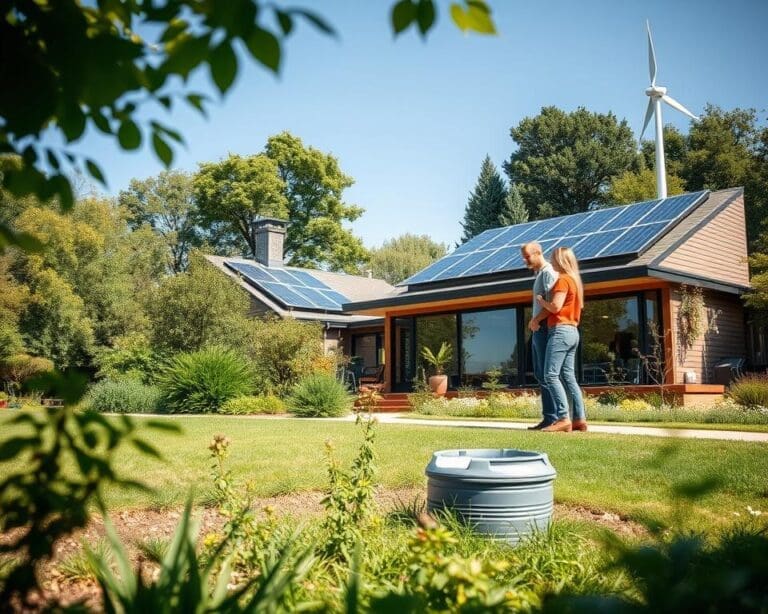
Solar battery integration pairs rooftop PV with batteries such as Tesla Powerwall or Sonnen to boost self‑consumption and offer backup power. Smart inverters and energy managers coordinate PV output, charge cycles and household demand for best performance.
Vehicle‑to‑home V2H systems are emerging in the UK, with bi‑directional chargers allowing EVs to supply homes during peak costs or outages. Combining V2H with battery storage gives flexible options for load shifting and resilience.
Policy, tariffs and warranties shape payback and long‑term sustainability. Ask installers about standards such as SunSpec and Open Charge Point Protocol to ensure components work together and remain serviceable.
Comfort and convenience: voice assistants, automation and intelligent appliances
Voice assistants smart home platforms such as Amazon Alexa, Google Assistant and Apple Siri are reshaping daily routines in the UK. Simple voice commands can raise blinds, adjust smart lighting and set the thermostat, while routines combine actions for a seamless morning or evening. For older adults and people with limited mobility, ambient voice control adds real accessibility and independence.
Home automation UK systems use time schedules, presence detection and sensor triggers to reduce effort and save energy. Platforms from major vendors offer easy routine editors, while Home Assistant and Hubitat provide advanced local control for privacy‑minded users. Geofencing, motion sensors and conditional logic allow bespoke scenes for entertaining, holiday away modes and safety sequences for carers.
Intelligent appliances and smart kitchen devices are becoming central to connected living. Wi‑Fi ovens, Bosch and Samsung refrigerators, and Whirlpool washers now offer remote monitoring, guided cooking and predictive maintenance. Many appliances support delayed start and power capping to align with tariffs or solar generation, lowering peak loads and boosting sustainability.
Privacy, ease of use and interoperability remain key considerations. Hardware mic mute, local processing options and clear vendor policies help manage data risks, while Matter and improved local AI promise smoother, more secure integration. For guidance on voice control and ecosystem choice, see this primer on voice‑controlled smart homes here, which explains how automation can make homes more comfortable, energy aware and responsive.