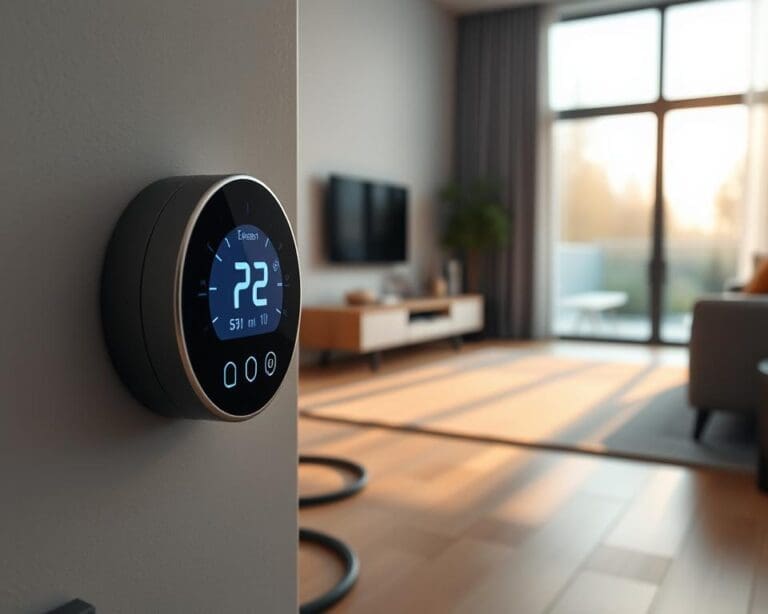
Across the UK, heating technology 2026 is changing how homes and buildings stay warm. Rising energy bills, the UK Government’s net-zero 2050 commitment and schemes such as the Boiler Upgrade Scheme are driving fast adoption of low-carbon heating. Local authority heat network initiatives and incentives are also nudging homeowners and landlords to explore alternatives to the gas grid.
At a glance, headline advances include next-generation heat pumps — air-source, ground-source and hybrid configurations — alongside improvements in condensing boilers and modulating burners. Smart controls and adaptive thermostats from brands like Hive, Tado and Nest link with solar PV and battery storage to cut demand. District heating and local heat networks from suppliers such as Baxi and Viessmann, plus micro-generation like household combined heat and power, round out the picture.
Manufacturers including Daikin, Vaillant, Worcester Bosch, Mitsubishi Electric and NIBE are leading product development. These innovations support energy-efficient heating by lowering operating costs and cutting carbon when properties switch from fossil gas to electric heat pumps or low-carbon heat networks. Better insulation combined with smart control also reduces overall heat demand and improves comfort.
This article will take you deeper into these topics. Section two examines heat pumps, hybrids and smart controls. Section three looks at energy-efficient heating solutions for typical UK homes. Section four explores the digital and sustainable trends shaping future systems and what buyers should consider when upgrading.
What are the latest innovations in heating technology?
The heating sector is changing fast. New systems aim to cut bills and carbon while fitting into everyday British homes. Advances span core hardware, smart controls and links to rooftop solar. Together they help homeowners get better heat pump efficiency and smarter energy use.
Heat pumps and advances in efficiency
Air-source and ground-source heat pumps now perform better at low temperatures. Inverter-driven compressors and variable-speed fans raise the coefficient of performance. Manufacturers such as Mitsubishi Electric, Daikin, NIBE and Vaillant are releasing models tuned to work with UK radiators and underfloor heating.
New refrigerants like R32 lower global warming potential and tighter service standards reduce leakage. Performance metrics such as COP and SCOP remain vital. Correct sizing, professional installation and system design decide whether claimed heat pump efficiency is realised.
Government incentives such as the Boiler Upgrade Scheme support homeowners in England and Wales who choose heat pumps. These grants make higher-efficiency models more affordable for retrofit projects.
Hybrid systems combining heat pumps and boilers
Hybrid heating systems mix a heat pump with a gas or hydrogen-ready boiler. Smart controls switch between heat sources to meet demand at lowest cost. The boiler steps in during very cold spells to maintain comfort.
For many UK homes hybrids lower upfront costs versus full heat-pump retrofits. They slot into existing radiator networks with less disruption. Installers and manufacturers now offer bespoke hybrid packages designed for real houses and family patterns.
Trials of hydrogen-ready boilers and hydrogen blends in distribution networks point to longer-term decarbonisation routes. Hybrids provide a pragmatic bridge while infrastructure evolves.
Smart controls and adaptive thermostats
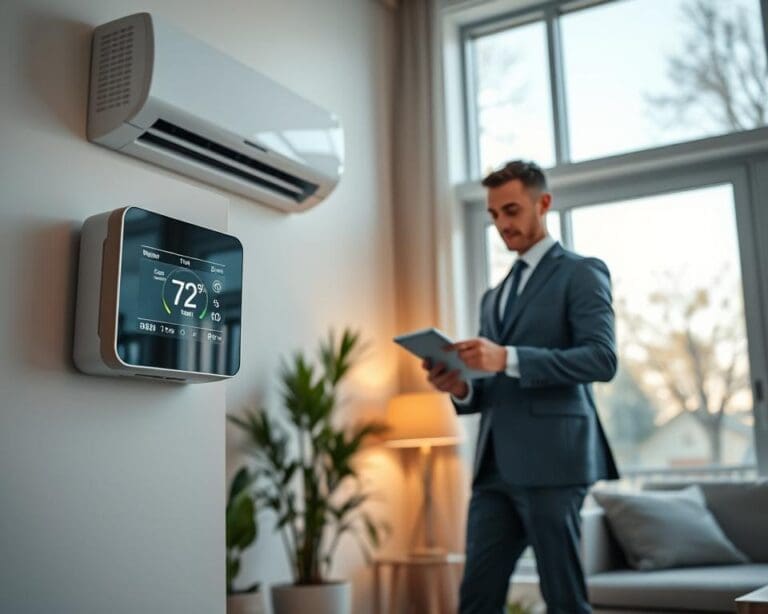
Smart controls use adaptive learning, room-by-room zoning and weather responsiveness. Systems learn occupant routines and cut wasted heating. Occupancy sensors and smart meter data refine schedules for greater savings.
Open standards like OpenTherm and IoT connectivity let thermostats talk to heat pumps, boilers, solar PV and batteries. Brands familiar to UK buyers include Hive, Tado, Nest and Drayton. Building energy management systems scale these benefits for larger homes and small commercial properties.
Demand-response features, time-of-use tariff integration and predictive pre-heating reduce running costs. Adaptive thermostats UK are becoming central to energy plans that aim to balance comfort with economy.
Integration with renewable energy sources
Heating integration with solar and other renewables makes heat cheaper and greener. Excess daytime PV can drive immersion heaters or charge thermal stores. Heat pumps can be scheduled to run when on-site generation peaks, lowering grid demand.
Combined solutions such as solar thermal linked to heat pumps and thermal storage improve seasonal performance. Smart energy platforms orchestrate generation, battery storage and heat demand for optimal results.
Pilot schemes and supplier bundles show how renewable heating technologies work in practice. Pairing batteries, inverters and heat systems gives homeowners more control over costs and emissions.
Energy-efficient heating solutions for UK homes
UK homes face a clear choice: cut running costs and carbon by upgrading systems, or keep paying for waste. Practical steps range from smarter boilers to whole-neighbourhood heat networks. Each option pairs best with targeted fabric improvements and mindful maintenance.
Condensing boilers and modulating burners
Modern condensing boilers reclaim latent heat from flue gases to boost seasonal performance above 90% when installed correctly. Modulating burners match output to demand, which reduces short‑cycling and lowers fuel use. Brands such as Worcester Bosch, Vaillant and Baxi lead the market with reliable models.
Correct sizing, regular servicing and thermostatic controls keep condensing boiler efficiency high over the lifetime of the unit. Upfront cost often sits below that of heat pumps for some homes, yet gas use still produces emissions. Some models are hydrogen‑ready, easing future transition.
District heating and local heat networks
District heating supplies multiple buildings from a central plant through insulated pipes. Plant types include large heat pumps, biomass, waste‑heat recovery and gas or hydrogen CHP. Urban developments and new builds gain strongest benefit through economies of scale.
district heating UK schemes can tap waste heat from industry or data centres and make it easier to deploy large heat pumps. Government funding and regulation are pushing heat network growth alongside local projects that deliver low‑carbon heat.
Challenges remain around finance, consumer protection, metering and pricing. Careful planning and network design are essential to protect consumers and secure long‑term value.
Improved insulation and heat retention strategies
Reducing heat loss is the most cost‑effective way to cut heating needs. Cavity wall and loft insulation, solid wall systems, double or triple glazing, draught‑proofing and improved airtightness all matter. Prioritising fabric upgrades reduces the size and running cost of heating plant.
A fabric‑first approach makes low‑temperature sources such as heat pumps more viable. Grants and local retrofit programmes in the UK help householders adopt robust home insulation strategies and raise comfort while lowering bills.
Micro-generation and household-scale CHP
Micro‑generation options include solar PV, small wind and household CHP units that produce heat and power together. household CHP can suit off‑grid properties or homes with consistently high heat demand, offering better energy utilisation where the demand profile fits.
Economic viability depends on the balance between heat and electricity needs, maintenance and planning permissions. Manufacturers and suppliers in the micro‑CHP market provide units that can complement heat pumps or tie into district systems when local conditions favour combined solutions.
Digital and sustainable trends shaping heating technology
The convergence of heating IoT, AI and renewables is reshaping how homes stay warm. Cloud‑connected platforms now pull data from smart thermostats, heat pumps, meters and PV inverters to give clear insights. These systems enable predictive maintenance, tariff optimisation and lower carbon footprints through smarter control.
New market services are turning household flexibility into value. Aggregators and virtual power‑plant (VPP) schemes can pool controllable heat pumps, thermal stores and batteries for demand‑response. This supports grid stability and creates potential revenue streams for homeowners while advancing heat decarbonisation trends.
Sustainability is moving beyond operational efficiency to materials and lifecycle thinking. The sector is adopting lower‑GWP refrigerants, recyclable components and longer service lives to cut embodied carbon. Industry standards and certifications are encouraging responsible supply chains and better end‑of‑life recycling.
These gains depend on skilled installers and clearer rules. Training pathways through Gas Safe Register transition programmes and MCS certification improve heat pump installation, system design and smart control integration. Tightening Building Regulations and evolving consumer protection for heat networks mean homeowners should assess insulation first, then consider heat pumps or hybrids, add smart controls and explore solar integration. For a practical guide to systems suited to modern homes see best heating systems for modern homes. Ongoing innovations to watch include phase‑change thermal storage, solid‑state heating, hydrogen trials and deeper electricity‑heat system integration as the UK pursues sustainable heating UK and digital heating trends.