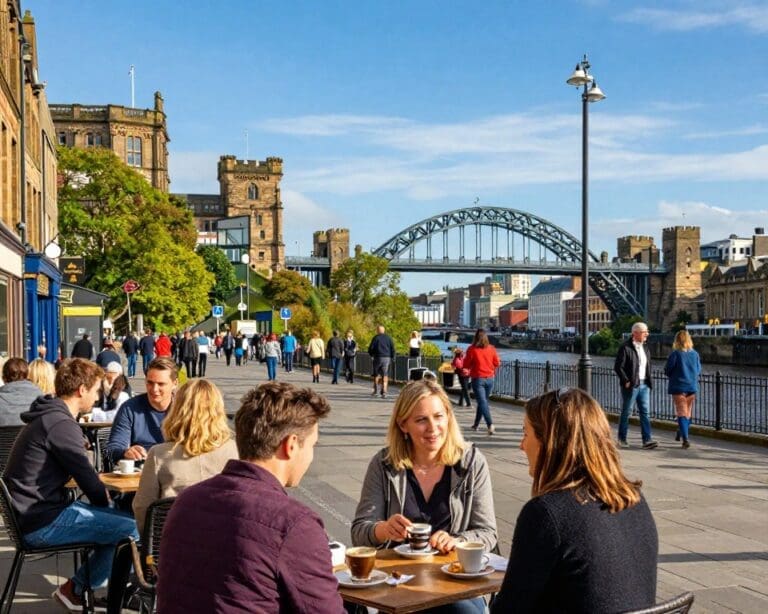
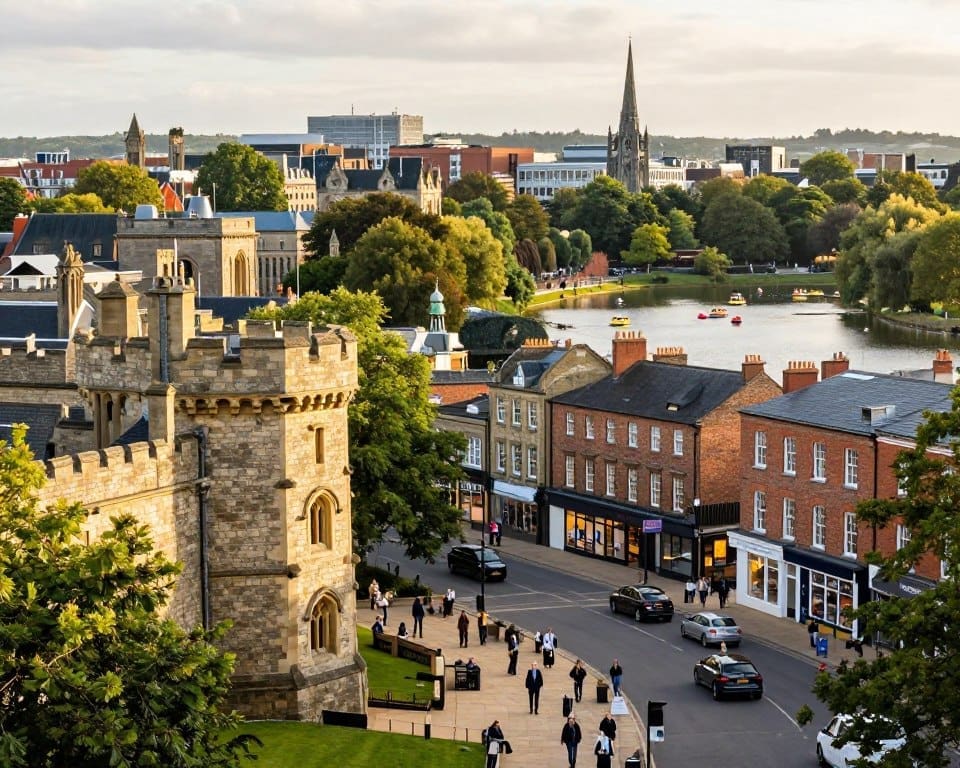
Nottingham is a compact, characterful city in the East Midlands that blends medieval history with modern culture. This Nottingham travel guide opens with the essentials: Nottingham Castle sits on a hill with wide views over the city, while Wollaton Park offers a grand hall, natural history collections and a roaming deer park.
The city below hides a surprising network of sandstone caves and attractions such as the City of Caves experience. Theatre Royal and Broadway attract lively performing arts, and Nottingham Contemporary brings contemporary art to the centre.
Getting around is straightforward. Nottingham station links the city by rail, while the NET tram and frequent buses reach suburbs like Beeston. Sherwood Forest lies within easy drive for deeper Robin Hood Nottingham connections.
For many visitors, spring to early autumn is ideal for parks and festivals, with winter drawing crowds for Christmas markets. The city suits single-day visits, weekend breaks and family holidays, and most major Nottingham attractions provide accessibility information up front.
This introduction prepares you for the sections ahead, which will guide you through historic landmarks, cultural highlights, family activities, hidden gems and practical tips to help plan a memorable trip.
What are the best places to visit in Nottingham?
Nottingham blends bold history, lively culture and green spaces into a compact, walkable city. This section highlights key attractions that bring the past and present together, from dramatic viewpoints to contemporary art spaces and peaceful parks. Visitors can shape a day around medieval intrigue, gallery visits or riverside strolls.
Historic Nottingham: castles, caves and Robin Hood connections
Start at Nottingham Castle, perched on Castle Rock. The site began as a medieval fortress, became a ducal residence and was remodelled between the 17th and 19th centuries. Recent redevelopment has transformed the castle into a major visitor attraction with galleries, exhibitions about its past and broad views across the city. Ticketing, cafe facilities and accessibility information are available on-site for visitors.
The City of Caves lies beneath the old town. Guided tours reveal a unique sandstone network with medieval rooms, Victorian-era workshops and wartime shelters. Tours are family-friendly and explain the caves’ long social history in an engaging way.
Robin Hood attractions pin folklore to real places. The Major Oak and Sherwood Forest lie outside the city near Edwinstowe, where a visitor centre explains the legend’s roots. In Nottingham you will find the Robin Hood Statue close to the castle and themed walking routes that weave storytelling through historic streets.
City-centre cultural highlights: theatres, galleries and museums
Catch a show at the Theatre Royal or at the Royal Concert Hall for West End touring productions, concerts and comedy. Both venues offer accessible seating and nearby ticket desks, with the Lace Market a short walk away for pre-show dining.
Nottingham Contemporary stands among the UK’s largest contemporary art centres. Expect bold exhibitions, workshops and a welcoming café. Main displays are often free, helping the gallery play a key role in the city’s cultural regeneration.
Museums across the city cover archaeology, social history and natural science. Wollaton Hall houses the Nottingham Natural History Museum and dramatic period rooms. The Nottingham Industrial Museum and Lakeside Arts provide further displays on local industry and fine art, linking past crafts to modern creativity.
Parks and green spaces: Wollaton Park, Arboretum and riverside walks
Wollaton Park offers an Elizabethan hall set in roughly 500 acres. The deer park, lakes and woodland make it ideal for picnics, cycling and wildlife spotting. Wollaton Hall’s collections draw families and naturalists, while film fans note its use as a location in major productions.
The Nottingham Arboretum is an early Victorian green space with varied tree collections, a children’s play area and a bandstand. Its central position makes it perfect for a short, restful break between city visits.
Riverside and canal walks along the River Trent and Nottingham Canal link Trent Bridge, the Wilford Suspension Bridge and waterfront dining. Spring blossom and autumn colour enhance these routes. Public transport, including trams and buses, serves the parks and offers options for parking, accessible paths and dog-friendly zones.
Top attractions for families and children in Nottingham
Nottingham bursts with lively options for families. From hands-on museums to wide green spaces, the city suits toddlers and teens alike. Plan around facilities and opening times to make the most of each visit.
Interactive museums and family-friendly exhibits
The City of Caves and Nottingham Industrial Museum offer tactile displays that bring local history to life. Children can explore models, old machinery and guided stories that spark curiosity about mining and transport.
Wollaton Hall family visitors will find the Natural History Museum’s dinosaur displays and seasonal activity packs especially engaging. National Justice Museum runs role-play court sessions that suit older children and help them understand law through immersive exhibits.
Nottingham Contemporary stages family workshops and activity days alongside exhibitions, making art accessible and hands-on for younger audiences.
Outdoor activities and play areas
Wollaton Park provides vast lawns for games, cycle-friendly routes and simple nature trails for wildlife spotting. It works well for picnics and a relaxed family day out.
The Arboretum and local playgrounds have safe, well-equipped spaces ideal for toddlers and preschoolers, with nearby cafés for quick refreshments. Trent Bridge’s riverside promenades are perfect for scooting, cycling and watching boats, with family-friendly cafés along the way.
For a bit more adrenaline, county activity centres and soft-play venues offer treetop courses and indoor play sessions. Check age and height rules before you go to avoid disappointment.
Seasonal events and festivals suitable for children
Family festivals Nottingham hosts through the year include summer outdoor theatre and open-air cinema nights in parks. These events often feature free or low-cost children’s performances and craft stalls.
During late November to December, the Winter Wonderland and Christmas Market provide ice rinks, children’s rides and seasonal shows that make a visit magical for little ones.
Museums and galleries run school-holiday programmes with themed crafts and story sessions. Look for booking details and baby-changing or toilet facilities at major venues when you plan your trip.
Hidden gems and local favourites off the beaten track
Nottingham hides invites to wander beyond the main sights. Take time to explore neighbourhoods where local life, small businesses and quiet heritage come together to reward the curious traveller.
The Lace Market, Hockley and Angel Row host a strong café scene. Try speciality espresso at local roasters, artisan bakeries and plant-based venues for seasonal menus and creative brunch options. These Nottingham independent cafes pair well with people-watching and a slower pace.
For fresh produce and handmade goods, visit the redeveloped Market Square and weekly farmers’ markets. Stalls sell regional cheese, sourdough and street food that make for great picnic picks. Artisan makers often bring ceramics, prints and textiles that double as memorable souvenirs.
Hockley and the Broadmarsh to Derby Road corridors supply an eclectic mix of vintage shops Nottingham fans adore. Hunt for retro clothing, vinyl at established record shops and mid-century furniture in specialist boutiques. Collectors find one-off pieces while style hunters enjoy discovering new favourites.
Quieter historical sites and niche museums
Wollaton Park’s Nottingham Industrial Museum remains a treat for fans of transport and local manufacturing history. Exhibits trace steam engines, bicycles and textile machinery linked to the city’s past.
Small, focused venues reveal the trades that shaped Nottingham. The Lace Museum hosts seasonal displays on lace-making techniques when open. Community-run heritage centres document hosiery, railway life and neighbourhood stories in intimate galleries.
Microbreweries and taprooms such as those in Sneinton or along the canal offer brewery tours and tasting sessions. These give adults a flavour of local craft beer and a relaxed way to learn about modern production methods.
Historic chapels, quiet churchyards and memorials provide atmospheric spots for photography and reflection. Places like St Mary’s churchyard offer calm away from crowded attractions.
Scenic strolls and lesser-known viewpoints
For peaceful panoramas, try approaches to Castle Rock that stay off the main paths. Early morning or late afternoon visits add soft light for better photos and a sense of solitude.
Seek out pocket parks, community gardens and riverside benches along the Trent and quieter canal towpaths. These spots suit readers, sketchers and anyone wanting a short break from the city hum.
On the city’s edge, converted rail trails and industrial archaeology link to green corridors. Routes near Stoke Bardolph and disused railway lines attract birdwatchers and walkers who enjoy seeing nature reclaim former industrial land.
- Carry an offline map app and check opening times; small cafés and niche museums often keep limited hours.
- Plan early or late visits to avoid crowds at the best viewpoints.
- Bring a tote for market finds and a camera for unexpected architectural details.
Practical tips for visiting Nottingham: transport, accessibility and timing
Visiting Nottingham is easiest when you plan transport in advance. Nottingham Midland is a major rail hub with direct services from London St Pancras (around 1 hour 40 minutes on fast trains), Birmingham, Sheffield and Manchester. National Express and Megabus run regular coach links. For Nottingham travel advice, book tickets early for the best fares and check schedules before you go.
Once in the city, Nottingham transport options are convenient. The Nottingham Express Transit (NET) tram connects the city centre with Hucknall, Beeston and Clifton, while an extensive bus network covers city and county routes. Use contactless payment or mobile apps for quick fares. If you drive, choose park-and-ride sites or city-centre car parks and be aware of limited parking and event-day restrictions near historic areas.
Accessibility matters for most visitors. Major attractions such as Nottingham Castle, Wollaton Hall and Nottingham Contemporary offer step-free access, hearing loops, accessible toilets and staff support; always check venue access statements before visiting. Family facilities including baby-changing, feeding rooms and pram-friendly routes are common at museums and parks. For medical needs, note local NHS centres and hospitals such as Queen’s Medical Centre and Nottingham City Hospital.
Timing and local tips make a trip more enjoyable. The best time to visit Nottingham is spring to early autumn for parks and festivals, with autumn offering vivid colours and winter for festive markets and theatre seasons. Weekends, school holidays and big events increase demand, so reserve accommodation and tickets ahead. Pack layers and waterproofs, consider regional attraction passes or lunchtime menus to save money, and follow local signage to protect wildlife and enjoy the city respectfully.