Choosing the best carpets home requires balancing soft, warm underfoot comfort with long-term resilience. This opening explains how carpet comfort and durability work together so UK homeowners can decide with confidence.
At the material level you’ll meet two clear families: natural wool and synthetic fibres such as nylon, polyester, triexta and polypropylene. Wool offers a luxurious feel, natural resilience and good acoustic insulation. Nylon and triexta score higher for durable carpets UK thanks to excellent wear and stain resistance, while polyester and polypropylene give attractive colour clarity at lower cost.
Pile type and construction also shape performance. Cut pile, loop pile and cut-and-loop affect how a carpet feels and hides wear. Tufted, woven and bonded constructions influence longevity. Ultimately, fibre, pile, density, twist and backing combine to determine a carpet’s real-world behaviour.
Expect well-specified wool or nylon carpets to last around 10–20+ years in domestic use. Polyester and polypropylene tend to suit low-to-medium traffic areas but can still be smart choices when paired with the right underlay and professional fitting.
Look for recognised standards and credentials when shopping. British Standard references, Carpet Foundation guidance, Woolmark and BRE Green Guide ratings, plus low-VOC certifications and clear manufacturer warranties, help validate quality and sustainability.
This article will take you through materials and construction, room-by-room recommendations to find the best carpets for comfort, and practical advice on maintenance, lifespan and eco choices to complete your carpet buying guide.
Understanding carpet materials and why they matter for comfort and durability
Choosing the right fibre shapes how a room looks, feels and wears. A clear carpet materials comparison helps homeowners weigh tactile comfort against long-term performance. Consider fibre type, pile and construction when planning for family life, pets or high footfall.
Wool: natural resilience and luxurious feel
Wool is a natural protein fibre prized for resilience and insulation. The natural crimp in wool fibres gives a spring-back that reduces matting in many domestic situations. Wool carpet benefits include breathability, moisture handling and inherent flame resistance that improve indoor comfort and limit odour retention.
Wool takes dye well, producing deep, long-lasting colour. British shoppers can find wool ranges at Carpetright, John Lewis & Partners and luxury makers such as Brintons. Wool is biodegradable and renewable; look for Woolmark certification and provenance statements when sustainability matters.
Drawbacks include higher cost, sensitivity to acidic spills unless treated, and the potential need for specialist cleaning. Assess these trade-offs when valuing long-term performance.
Nylon: stain resistance and long-term wear
Nylon, or polyamide, is a highly resilient synthetic fibre known for excellent abrasion resistance and bounce-back. It suits high-traffic zones such as hallways and stairs where nylon carpet durability is essential.
Modern treatments such as Scotchgard and proprietary manufacturer finishes boost stain resistance and colourfastness. Quality depends on tuft density and yarn twist; higher twist and tighter yarns give better wear. Leading UK suppliers include Axminster Carpets, Victoria Carpets and ranges at B&Q and Flooring Superstores.
Expect a premium price over polyester and the need for anti-static finishes in some cases. Match nylon’s strengths to the busiest areas in your home.
Polyester: softness and colour clarity
Polyester offers a very soft hand that enhances bedroom comfort. Its excellent colour clarity resists fading, making bold shades and patterns shine. Many buyers choose polyester for its pleasant feel and affordable options.
Polyester carpet softness is a strong selling point, yet the fibre usually has lower abrasion resistance than nylon. Busy corridors may show traffic patterns sooner. Solution-dyed polyester (SDP) narrows this gap with improved stain resistance.
Retailers such as Carpetright and Homebase stock wide polyester ranges aimed at mid-range budgets and comfort-led rooms.
Triexta and polypropylene: budget-friendly options
Triexta, produced using the Sorona process, blends soft hand with strong stain resistance and good resilience. In the triexta carpet UK market it appears as a family-friendly choice that cleans easily and resists soiling.
Polypropylene, or olefin, is inexpensive and moisture-tolerant, suited to basements, playrooms and outdoor rugs. Its low resilience means polypropylene can crush in heavy-traffic spots, so it works best in low-use rooms.
Both fibres offer cost-effective solutions where maintenance and stain control take priority over long-term pile recovery.
Pile types and their impact on comfort
Pile type changes how a carpet feels underfoot and how it hides wear. Cut pile styles such as Saxony and twist deliver a soft surface that can show footprints and shading. Loop pile, including Berber, is firmer and hides soiling well, making it practical for busy areas.
Cut-and-loop patterns add texture and concealment. Pile height contributes to plushness, yet density and yarn twist matter more for resilience. Look at pile weight (g/m2) and twist to predict life expectancy and comfort.
A thick underlay plus carpet adds warmth and improves the tog effect for thermal comfort.
How carpet construction affects durability
Construction defines stability and service life. Tufted carpets dominate domestic floors, offering good value when well made. Woven carpets such as Axminster and Wilton are premium, highly durable choices for high-use or prestigious settings.
Backings and secondary backing systems influence stability, moisture resistance and the ability to re-stretch a carpet. Quality underlay and professional fitting prevent premature wear and sagging.
Check manufacturer warranties and traffic classifications to judge carpet construction durability and long-term value before you commit.
best carpets home: choosing the right carpet for each room
Choosing the right carpet for each room lets you match comfort with function. Think about daily use, household members and the mood you want to create. The best carpets home rooms combine feel, performance and style so each space works for your life.
Living rooms and lounges — balancing plushness with traffic tolerance
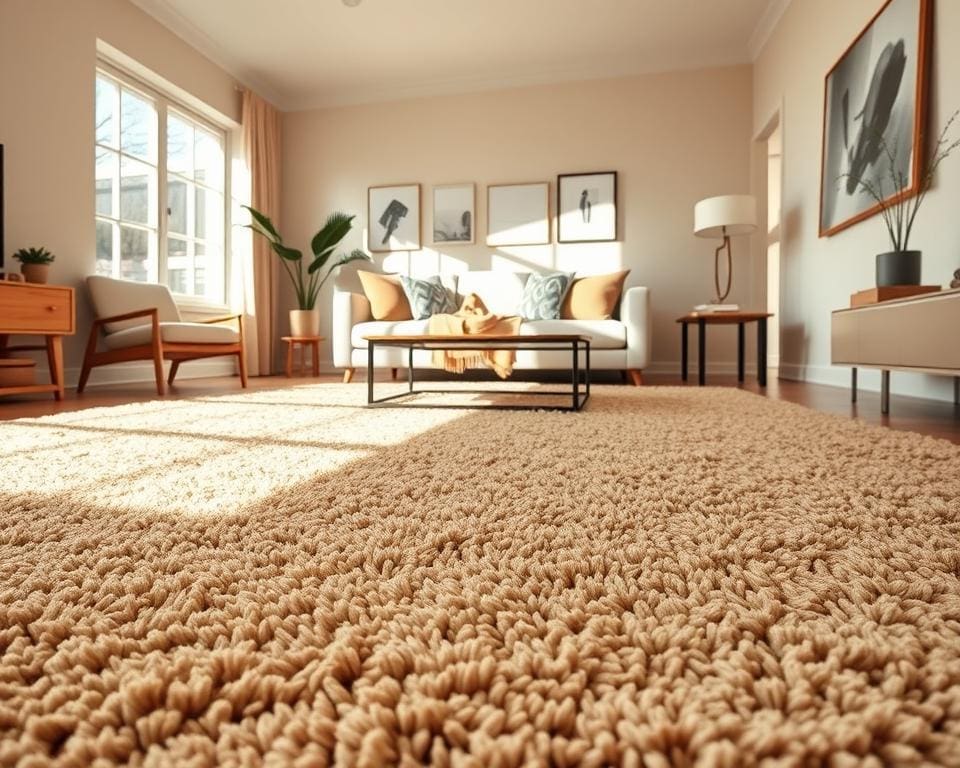
For living areas, pick mid- to high-density cut-pile such as twist or textured saxony in wool or quality nylon. These options offer a soft underfoot feel and resist pile collapse under heavy use.
Layer a deep-pile rug over a durable carpet where you want luxury without sacrificing wear. Neutral palettes and subtle patterns hide foot traffic and stains. A medium-high tog underlay adds comfort and prolongs lifespan.
Bedrooms — prioritising comfort and acoustic insulation
Bedrooms demand softness and calm. Wool, triexta or polyester with higher pile height deliver bedroom carpet comfort and help reduce airborne and impact noise.
Choose thicker underlay for thermal insulation and extra cushioning. Pick pile constructions that shed little and stay stable so sleep remains undisturbed.
Hallways and stairs — durability and stain resistance are essential
Busy corridors need robust fibres. Nylon or heavy-duty triexta with tight twist and dense construction provide hallway carpet durability and strong abrasion resistance.
Low-level cut pile or loop pile with stain protection works well. For stairs, use specialist stair nosing and anti-slip measures to keep wear controlled and safety high.
Children’s rooms and family spaces — easy-clean fibres and safety
Family areas benefit from solution-dyed polyester, triexta or treated nylon that deliver children’s carpet easy-clean performance. Stain protection and hypoallergenic finishes make spills simple to manage.
Prioritise low VOC fibres, cushioned underlay and flame-retardant ratings. Consider washable rugs or carpet tiles for high-spill zones and check care instructions and warranties from retailers such as Carpetright, John Lewis and Tapi.
Home offices — low pile options for furniture movement
Home workspaces need practical floors. Opt for home office carpet low pile or commercial-grade loop and berber styles to ease chair movement and prevent pile collapse.
Carpet tiles or hardwearing nylon suit heavy desk use. Ask for anti-static treatments and breathable backings when electronics are in use, and pair with a chair mat where extra protection is needed.
Practical considerations: maintenance, lifespan and sustainability
Good carpet maintenance UK habits start with simple, regular care. Vacuum high-traffic zones two to three times a week and bedrooms once a week, using a machine with adjustable height and brush settings. Treat spills at once: blot, do not rub, and use manufacturer-recommended cleaners. Follow carpet cleaning tips such as testing products on an inconspicuous patch and avoiding household chemicals that can harm fibres or backing.
Arrange professional deep cleaning by hot water extraction every 12–24 months, following British Carpet Foundation guidance. Keep receipts and installation records for warranty claims and check terms carefully: appearance retention differs from wear coverage. The right carpet underlay importance cannot be overstated—quality underlay, correct installation and occasional furniture rotation extend carpet lifespan significantly.
Expect different carpet lifespan by fibre and build. Premium wool and well-made nylon can last 10–20+ years. Good triexta and higher-quality polyester usually endure eight to 15 years. Polypropylene or low-density constructions often wear faster in busy areas. Density, yarn twist and pile construction matter more than pile height when predicting longevity.
Sustainable carpets are increasingly practical. Look for Woolmark, Cradle to Cradle, BREEAM or EU Ecolabel and low-VOC certification, and consider recycled nylon or solution-dyed yarns to reduce impact. Many UK manufacturers and retailers now offer take-back or recycling schemes; where recycling is not feasible, donate usable carpet or use licensed waste carriers for disposal. Balance cost versus value by factoring purchase, fitment, underlay and maintenance into the carpet lifecycle to create comfortable, durable spaces that reflect your lifestyle and environmental aims.