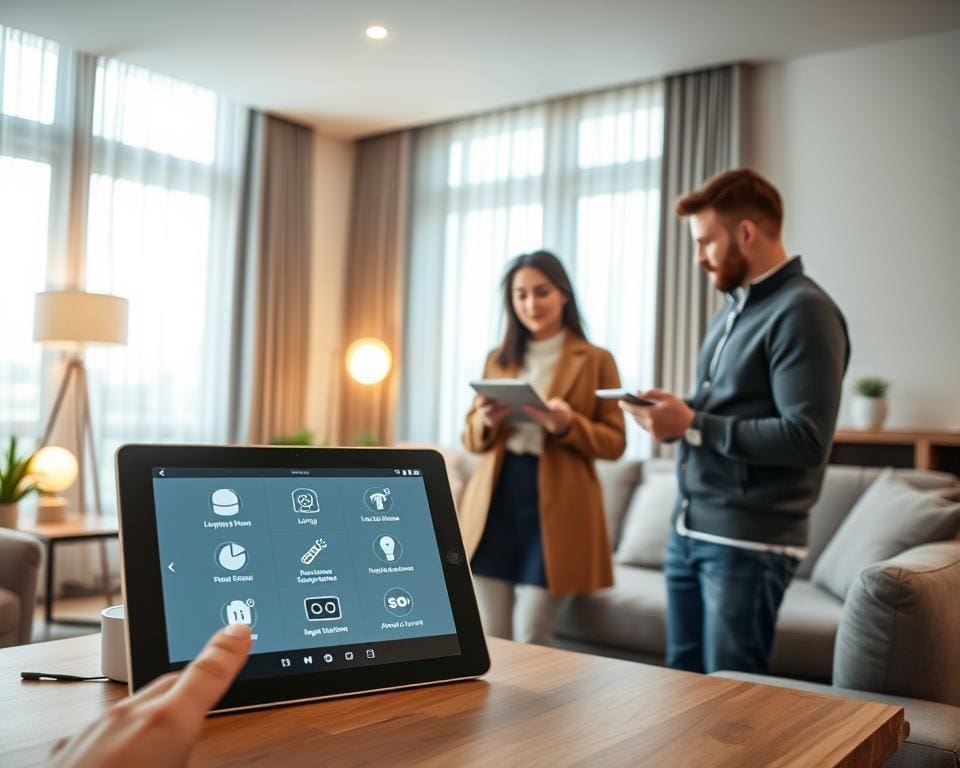
Home automation systems link lighting, heating, security, appliances and entertainment into one connected home. Devices communicate over Wi‑Fi, Zigbee, Z‑Wave, Thread or Bluetooth so you can centralise control, set schedules and run scenes from a single app or voice assistant.
Modern setups blend hardware and software. Smart thermostats from Nest, Hive or Tado, smart locks from Yale, cameras from Ring and lighting such as Philips Hue work with platforms like Google Assistant, Apple HomeKit and Samsung SmartThings to deliver smooth smart home benefits.
The advantages of home automation are clear: everyday convenience through automation and remote control; better security with real‑time alerts; reduced energy use and cost savings; and improved accessibility for older or less mobile household members.
For smart home UK owners, intelligent heating control is especially valuable because of variable weather and high heating demand. Rising energy prices and government drives on efficiency make consumption monitoring and smart thermostats a practical investment.
Utility partnerships and installers, for example Hive’s tie‑up with British Gas, help bring smart systems into mainstream homes. Measurable outcomes include typical energy savings from smart thermostats and LED controls, fewer security incidents thanks to integrated cameras and alarms, and time saved by routine automations.
Seen as both an inspirational upgrade and a practical investment, home automation systems can improve daily life, support sustainability and add long‑term value to UK properties.
Why homeowners in the UK are choosing smart home automation
Many UK households are embracing connected technology to make daily life simpler, safer and more efficient. The benefits of smart home automation reach beyond gadgetry, shaping routines, security and long‑term cost savings. Below are the key reasons behind rising UK smart home adoption and what homeowners gain from smarter living.
Improved daily convenience and lifestyle enhancement
Automation turns repetitive tasks into set-and-forget routines. A single “good morning” scene can raise the heating, open blinds and start a coffee machine so families begin the day without fuss. Voice control through Amazon Alexa, Google Assistant or Siri provides hands‑free command for music, calendars and lighting.
Devices such as Philips Hue for mood lighting, Sonos or Google Nest Audio for whole‑home sound and simple smart plugs to automate legacy appliances bring clear home convenience. Integration with calendars and geofencing means lights and heating follow residents as they arrive or leave, cutting manual chores and saving time.
Enhanced security and peace of mind
Smart security adds real‑time awareness for homeowners. Smart locks from Yale or August, doorbell cameras like Ring and Nest, plus indoor and outdoor CCTV and motion sensors form layered protection. Alerts appear on mobile devices the moment activity is detected.
Two‑way audio lets you speak with visitors, cloud storage holds recorded clips, and remote locking gives homeowners control while on holiday or away for the weekend. Systems can link to professional monitoring or DIY alarms and work alongside local crime prevention advice and neighbourhood watch schemes.
Energy management and cost savings
Heating accounts for a large share of UK energy use, so smart thermostats such as Nest, Hive and Tado can make a big difference. These devices learn routines, use geofencing and pair with smart meters to optimise temperature and reduce waste.
Energy saving smart devices include LED lighting with schedules, motion sensors and smart plugs that cut standby loss and monitor appliance consumption. Vendor data and studies suggest notable reductions in bills, though results vary with installation quality, insulation and user habits. For a guide to useful gadgets, see smart home gadget suggestions.
Accessibility and support for ageing in place
Automation supports independent living for older adults by reducing physical strain and improving safety. Voice control, scheduled lighting to prevent night‑time trips and smart door locks for carers make daily life easier.
Other features include fall detection, emergency alerts and medication reminders that integrate with telecare services. Accessibility smart home solutions can delay the need for residential care by keeping people safer and more confident at home.
home automation systems: core features and technical advantages
Well‑designed home automation brings comfort, security and control into a single experience. This section outlines the technical building blocks and smart home features that make modern systems practical for UK households. Expect clear examples of protocols, hubs and everyday benefits that help you plan a reliable, future‑ready setup.
Interoperability and smart ecosystem integration
Interoperability smart home relies on standards such as Zigbee, Z‑Wave, Thread, Matter, Wi‑Fi and Bluetooth. These protocols let lights, locks and sensors from different brands speak to one another. Matter is gaining traction as a simpler way to reduce vendor fragmentation and ease pairing between devices.
Hubs and bridges play a key role. Samsung SmartThings, Apple HomePod Mini used as a HomeKit hub and Amazon Echo as an Alexa hub link disparate gadgets. Integrations with smart meters and energy platforms like Octopus Energy enable time‑of‑use optimisation and smarter routines.
The practical gains are centralised control, unified automations and fewer duplicate devices. A single app or hub delivers a smoother user experience for families and installers alike.
Remote control and mobile app convenience
Remote control smart home gives owners universal access through mobile apps, web dashboards and voice interfaces. You can monitor cameras, adjust heating and switch lights from anywhere.
Useful features include geofencing, push notifications for events such as motion detected or door opened, and cloud backups for scenes and schedules. Some systems keep basic functions local so key automations work without internet access.
Choosing between cloud‑dependent services and local hubs is about trade‑offs. Cloud services add convenience and advanced analytics. Local control reduces latency and improves privacy.
Scalability and customisation
Scalable home automation starts small and grows with your needs. Begin with a smart thermostat or a few bulbs, then add multi‑room audio, extra sensors, garden irrigation and EV charger management as required.
Customisation lets you craft automations for morning routines, holiday modes, guest profiles and energy‑saving schedules. DIY kits suit simple installs, while professional installers help with complex wiring and larger properties.
Plan ahead by checking Wi‑Fi coverage, considering Ethernet to hubs for stability and favouring devices that support open standards like Matter for future proofing.
Reliability, updates and cybersecurity considerations
Device reliability depends on quality hardware and ongoing firmware updates. Brands such as Philips Hue, Google Nest, Amazon Ring and Yale publish updates and maintain support lifecycles. Check update policies before purchasing to avoid unsupported kit later.
Smart home cybersecurity must be proactive. Use strong unique passwords, enable two‑factor authentication and place IoT devices on a segmented guest network. Keep router firmware current and limit third‑party integrations to trusted services.
Risks include unsecured cameras, unchanged default credentials and cloud breaches. Mitigation options include using reputable brands, local storage for recordings and managed services with continuous monitoring to reduce exposure.
Practical benefits, costs and choosing the right smart home solution
Smart home automation delivers clear, everyday gains: routines that save time, security systems that offer reassurance, and heating controls that cut energy use while keeping rooms comfortable. Small automations — a scheduled thermostat, motion‑activated lights or a monitored camera — make life easier and increase enjoyment. Over time these conveniences build resilience into daily life, helping households in the UK run more smoothly.
Understanding smart home costs UK helps set realistic expectations. Entry‑level kit such as smart bulbs and plugs can cost from a few pounds each, while smart thermostats and standalone cameras sit in the mid‑range. Full integrated systems, hub hardware and professional smart home installation are higher upfront investments. Factor in subscription fees for cloud storage or monitoring and occasional maintenance when estimating total spend.
Return on investment smart home depends on several factors. Savings on energy bills from thermostats like Google Nest or Tado, insurance discounts from monitored alarms, and higher buyer appeal are common gains. Preventative devices such as leak detectors can avoid costly repairs. Staging purchases or using finance options and phased implementation spreads cost and improves ROI over time.
When choosing smart home system, start by listing priorities: security, heating, accessibility or convenience. Audit your home for Wi‑Fi coverage, heating type and smart meter availability. Decide between DIY kits and professional installers, and prefer ecosystems that support Matter and reputable brands like Philips Hue, Yale, Ring and Samsung SmartThings. Trial a single smart thermostat or smart lock before committing to whole‑home upgrades, and consult accredited UK installers or trusted retailers to ensure smooth smart home installation and long‑term support.