
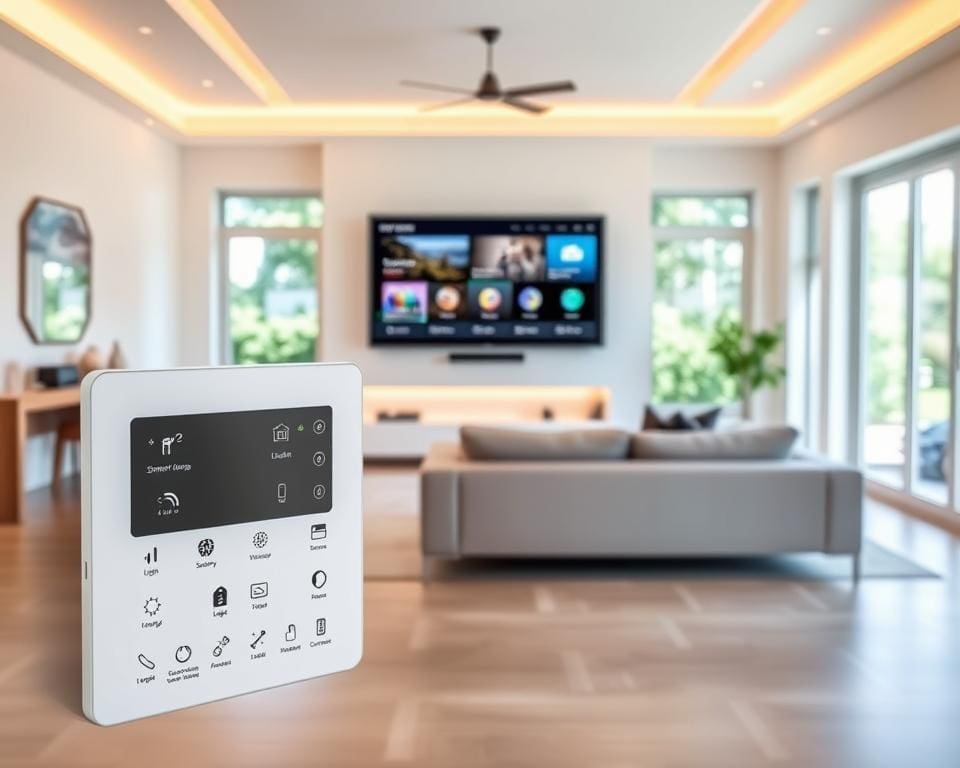
Integrated home systems are reshaping British homes, from Victorian terraces to modern flats and rural cottages. This article explains the tangible benefits of integrated home systems and how smart home benefits translate into everyday comfort, improved security and lower energy bills for homeowners across the UK.
You will gain a clear, practical understanding of home automation advantages with real examples. Expect references to familiar brands and platforms such as Philips Hue for lighting, Nest and Hive for heating, Ring and Arlo for security cameras, Sonos for multi-room audio, and whole-home solutions from Control4 and Crestron. Voice assistants and app control from Apple HomeKit, Google Home and Amazon Alexa will also feature in the discussion.
The case for adoption feels urgent: rising energy costs, a sharper focus on home security and the demand for convenience since the COVID-19 pandemic have accelerated interest in a connected home UK. Later sections will explore comfort and convenience, enhanced security and safety, and energy efficiency in practical terms suited to terraced houses, suburban family homes and rural properties.
We will also cover practical considerations such as upfront costs versus long-term savings, interoperability and standards like Zigbee, Z-Wave and Matter, choices between professional installation and DIY, and data privacy under UK and EU regulations. Each subsequent section addresses a major category of benefit so you can move from definition to real-world outcomes with confidence.
What are the benefits of integrated home systems?
Integrated home systems bring together lighting, heating, security, audio-visual kit, blinds and appliances so they work as one. This unified control makes daily life simpler and more enjoyable for households across the UK.
Defining integrated home systems
To define integrated home systems plainly: they connect multiple household technologies under a single control layer so devices coordinate and automate tasks. Central controllers or hubs sit at the heart of each installation. Local networks such as Wi‑Fi and Ethernet link devices. Mesh radio protocols like Zigbee and Z‑Wave provide robust device-to-device communication. Emerging unified frameworks such as the Matter standard are closing gaps in cross-brand interoperability, making it easier to mix gear from Apple HomeKit, Google Home and Amazon Alexa alongside bespoke platforms like Control4 and Crestron.
Why homeowners choose integration in the UK
Many people choose smart home integration UK for clear, practical reasons. Automation saves time by handling routines such as morning heating and evening lighting. Security improves when cameras, sensors and smart locks work together to deter intruders. Ageing occupants gain better accessibility through voice control and tailored scenes. Energy savings matter too. Smarter heating controls and appliance schedules deliver measurable reductions in bills, aligning with UK energy efficiency policies and the Smart Meter rollout.
Property and lifestyle factors steer demand. Owner-occupiers modernise Victorian and Edwardian homes to increase comfort and resale value. Developers include integrated systems in new builds to appeal to buyers. Home workers seek better light, sound and climate control for productive workdays.
How the benefits interrelate
Benefits rarely act alone. Automation that pre-warms a home before arrival improves comfort while limiting energy use by running systems only when needed. Security sensors can trigger lighting scenes that boost safety and create the impression of occupancy. Remote access supports convenience and peace of mind at once.
- Example routine: an “away” scene locks doors, arms alarms, lowers thermostats and dims lights to conserve energy and deter intruders.
- Example synergy: motion-triggered heating keeps rooms warm only when occupied, reducing waste.
These combined effects create a virtuous cycle. Better user experience increases adoption of connected solutions. Growing adoption drives further investment from homeowners and professionals, expanding interoperability and reinforcing the connected devices benefits for everyday life.
Improved comfort and convenience with home automation
Smart homes move beyond gadgets to create a more comfortable daily rhythm. Home automation comfort comes from systems that learn routines and respond before you ask. Small automation choices can lift everyday life, whether you live in a Victorian terrace or a modern apartment.
Personalised routines and scenes
Personalised routines let you trigger multiple devices with a single command. A morning routine can open blinds, start a kettle via a smart plug and nudge the thermostat to a pre-warm setting. An evening scene might dim lights, play a calming playlist on Sonos and lock smart locks for the night.
Scheduling and geofencing add useful precision. Thermostats and lights can follow sunrise, sunset or your smartphone location so the house is warm on arrival and energy is saved when empty. In the UK, pre‑heating before a chilly winter morning helps older homes beat heat loss. Lowering heating in summer protects wooden floors and furnishings.
Seamless control across devices
Unified control gives everyone a simple interface. Smartphone apps, wall panels and voice assistants provide familiar access for every household member. Amazon Alexa, Google Assistant and Apple’s Siri can all appear in one ecosystem when devices use common standards.
Interoperability has improved thanks to Matter and platform bridges. Philips Hue bulbs, Nest thermostats and Sonos speakers can sit together in a single app or a synced voice setup. The result is less fumbling between apps and a smoother user experience for multi-room audio, consistent lighting scenes and centralised media control.
For a practical overview of smart speakers that act as central hubs, refer to this guide on smart speakers with integrated home control features: smart speaker hubs.
Accessibility and assistive benefits
Integrated systems increase independence for people with limited mobility or sensory impairment. Voice control UK allows hands-free lighting and heating adjustments. Automated doors, motorised blinds and smart doorbells with two‑way audio and visual alerts ease daily tasks.
Assistive-product partnerships extend capability through compatibility with Apple and Android accessibility features. Professional integrators can tailor setups so routines support ageing in place and cognitive needs. Remote monitoring options reduce carer burden, with consent, and offer extra reassurance for vulnerable residents.
Enhanced security, safety and peace of mind
Integrated home technology brings together protection and practical control in one simple system. Homeowners in the UK can combine devices to create a responsive security layer that watches over property and family, day and night.
Integrated alarms, cameras and sensors
A modern setup includes smart locks, video doorbells, CCTV cameras, motion detectors, glass‑break sensors, window and door contacts, plus smoke, carbon monoxide and flood sensors. When devices work together, a motion detector can trigger cameras to record while smart locks secure doors and lights illuminate approach paths to deter intruders.
Brands such as Ring, Arlo, Yale and ADT supply hardware that links with popular smart‑home platforms. Professional monitoring services can join these components so alerts and recorded footage are managed in a single dashboard.
Remote access and real-time alerts
Remote monitoring gives instant notifications on phones or smartwatches when unusual activity occurs. Users gain live video feeds and two‑way audio to assess a situation quickly and decide on next steps.
Practical uses include checking parcel deliveries via a video doorbell, granting tradespeople access with a remote‑controlled smart lock, and keeping an eye on holiday lets from afar. Privacy and security best practice means using secure Wi‑Fi, strong passwords, two‑factor authentication and regular firmware updates.
Emergency automation and safety features
Emergency automation links alarms to other systems for faster, coordinated responses. Smoke or CO triggers can activate lighting and ventilation, unlock doors for responders and send alerts to designated contacts.
Integration speeds detection and response to fire, carbon monoxide and water leaks. Some systems can isolate faulty circuits or shut off water valves automatically when flooding is detected. Homeowners can choose between subscription monitored alarm services and self‑monitoring options, weighing cost against convenience and response time.
Energy efficiency and cost savings through smart integration
Integrated home systems cut waste by combining smart thermostats, zoned heating and appliance scheduling. Devices such as Nest, Hive and Honeywell learn occupancy patterns or follow customised schedules to lower the temperature in empty rooms, while smart radiator valves give room-by-room control. This form of smart heating UK reduces heat loss in larger or older homes and keeps comfort where it is needed most.
Linking weather forecasts, local tariff schedules and home energy management tools lets the system pre-warm during cheaper periods or delay non‑essential loads at peak times. Whole‑home dashboards show consumption trends, highlight high‑use devices and suggest simple behavioural changes. For a practical overview of learning thermostats and how they cut bills, see this guide from SuperVivo.
Evidence shows smart thermostats energy savings and proper zoning commonly produce single‑ to double‑digit cuts in heating bills, though results vary with insulation, boiler efficiency and occupancy. Beyond heating, smart plugs, appliance scheduling, smart EV charging and solar/battery management shift demand to off‑peak hours and boost self‑consumption of on‑site generation.
When weighing installation costs against benefits, consider DIY versus professional systems, available council or utility incentives and likely payback times. The medium‑ to long‑term returns include lower bills, higher property value and measurable carbon reductions that support UK decarbonisation goals—especially when integrated with heat pumps and rooftop solar for a truly efficient energy efficiency smart home. Cost savings integrated home systems become not just financial, but environmental and strategic for the future.