
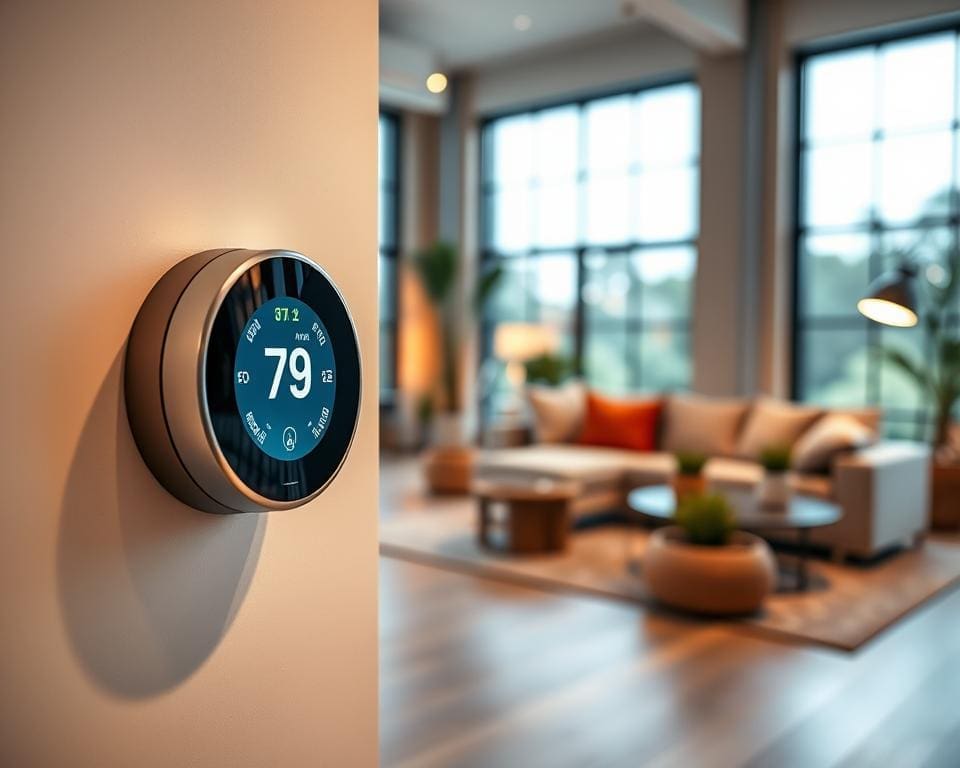
Smart thermostats are internet‑enabled devices that control a home’s heating and often hot water more precisely than manual or basic programmable units.
They replace or augment traditional room thermostats and time clocks to keep rooms comfortable while cutting wasted energy. This is the core answer to what are smart thermostats for most households.
Key smart thermostat benefits include remote control via smartphone apps from brands such as Nest, Hive and Tado, simple scheduling, geofencing, learning algorithms and voice control with Amazon Alexa, Google Assistant or Apple HomeKit.
For UK homes, where boilers and radiators are common, smart heating UK systems work with combi, system and regular boilers and with platforms like Honeywell Home and Tado. Compatibility checks are straightforward and usually explained in manufacturer specifications.
Practical features such as energy reports and usage history give households clear insight into consumption, helping to lower bills and reduce carbon emissions without losing convenience.
Seen as an empowering step for homeowners and renters, a smart thermostat guide helps readers choose and use these devices to improve comfort, save money and protect the environment.
What are smart thermostats and how do they help?
Smart thermostats replace traditional timers and dials with internet‑connected controls. The smart thermostat definition centres on a device that uses software, sensors and remote access to automate heating. This change makes homes more comfortable while cutting wasted energy.
Definition and core functionality
At their core, smart thermostat features include scheduling, remote temperature control through a smart heating app and geofencing to detect when people leave or return. Sensors track temperature, humidity and occupancy to adjust heat where it matters. Thermostat learning lets some models build a routine from your habits so the system requires less manual input.
Other practical functions are open‑window detection to avoid heating empty rooms and multi‑zone control when paired with smart radiator valves. Voice assistants such as Google Home, Amazon Alexa and Apple HomeKit can add quick voice commands to the smart thermostat user experience.
How they integrate with home heating systems in the UK
Most leading brands list smart thermostat compatibility UK and smart thermostat boiler compatibility to help buyers pick the right model. Popular systems like Nest Learning Thermostat, Hive Active Thermostat, Tado Smart Thermostat and Honeywell Home Evohome support combi boiler smart thermostat setups and system boilers.
Communication uses Wi‑Fi, Zigbee or Z‑Wave and often links with central hubs. Always check manufacturer compatibility lists for older boilers or proprietary control systems. For complex wiring or work on gas appliances a Gas Safe registered engineer should be used rather than DIY.
Everyday user experience
The smart thermostat user experience is built around convenience and control. Users check and alter heating via an app, set weekday and weekend schedules and receive alerts for low batteries or boiler faults. Remote heating control UK means you can warm a home before you arrive or switch heating off when you leave.
Energy reports in many smart heating app dashboards show where heat is used and where savings are possible. Landlords, busy families and older people gain particular benefit from remote heating control and straightforward interfaces. Reliable Wi‑Fi and timely firmware updates preserve security and keep those features working smoothly.
Energy savings and cost benefits for UK households
Smart heating can change how households use warmth. By combining clear usage data with automated controls, these systems help people see where energy vanishes and offer simple nudges to cut waste. The result is practical guidance on how smart thermostats save energy while making homes more comfortable.
How smart thermostats reduce energy consumption
Smart thermostats avoid overheating through accurate scheduling and adaptive controls that cut boiler run-time. Features such as open-window detection and room-by-room management with smart TRVs limit heat lost to the environment. Geofencing and learning routines stop heating when no one is home, turning behaviour change into automated savings and enhancing smart heating efficiency.
Typical savings and payback period
Consumer research from groups like the Energy Saving Trust and Which? reports typical heating bill reduction between about 8% and 15% for households that use smart controls actively. Manufacturer case studies often show reduced heating hours and lower consumption when systems are well configured.
Device costs vary, commonly from about £100 to £250 for standalone thermostats and higher for full multi‑zone systems with TRVs. With average UK heating bills and the savings above, the thermostat payback period can be anywhere from one to five years. Factors such as home size, insulation quality, occupancy patterns and whether professional installation is needed will alter that timescale.
Impact on carbon footprint and environmental benefits
Cutting gas use for heating lowers household CO2 emissions and contributes to smart thermostat carbon reduction across the grid. When many homes adopt controls and pair them with insulation or efficient boilers, the aggregated effect supports grid decarbonisation and helps deliver lower heating emissions.
Energy reports from devices encourage further action, prompting upgrades to loft or cavity insulation and shifts to low‑carbon tariffs. These combined measures increase the environmental benefits smart heating can deliver, while reminding homeowners that savings are incremental and work best alongside fabric improvements and efficient heating systems.
- Works best with draught‑proofing and regular boiler maintenance
- Financial support such as local grants or ECO schemes may reduce upfront costs
- Choice of single‑room thermostat versus whole‑home system affects smart thermostat savings UK
Choosing, installing and using a smart thermostat in the UK
Choosing smart thermostat UK starts with checking compatibility. Identify your boiler type—combi, system or regular—and whether you need multi‑zone control or smart radiator valves. Think about ecosystem preference such as Google Nest, Amazon Alexa or Apple HomeKit, and weigh features like learning algorithms, geofencing and detailed energy reports against your budget. Popular options in the best smart thermostat UK lists include Google Nest, Hive from British Gas, Tado and Honeywell Home, each offering different strengths for UK homes.
When installing smart thermostat devices, decide between a DIY fit and hiring a professional. A typical process is to confirm compatibility, switch off power, wire the thermostat to the boiler or system controller, connect Wi‑Fi and set up the app, then test the system. Any work involving gas appliances must be completed or checked by a Gas Safe installation engineer; many manufacturers run approved installer networks to simplify this step and ensure safety.
To get the most from installing smart thermostat units, set realistic schedules and allow learning modes time to adapt. Combine the thermostat with smart TRVs for room‑level control, link to a smart meter if available, and review monthly energy reports to refine settings. Practical UK tips include checking for supplier offers, choosing models with UK hot water control options and aligning settings with daily routines and seasonal changes to maximise comfort and savings.
Maintain performance by keeping firmware up to date and ensuring strong Wi‑Fi coverage. Know how to reset the device and keep contact details for the installer or manufacturer support to hand. For boiler faults or any gas‑related issue always contact a Gas Safe engineer. Choosing and using a smart thermostat is a manageable step towards a more comfortable, cost‑effective and environmentally friendly home that supports wider climate goals.