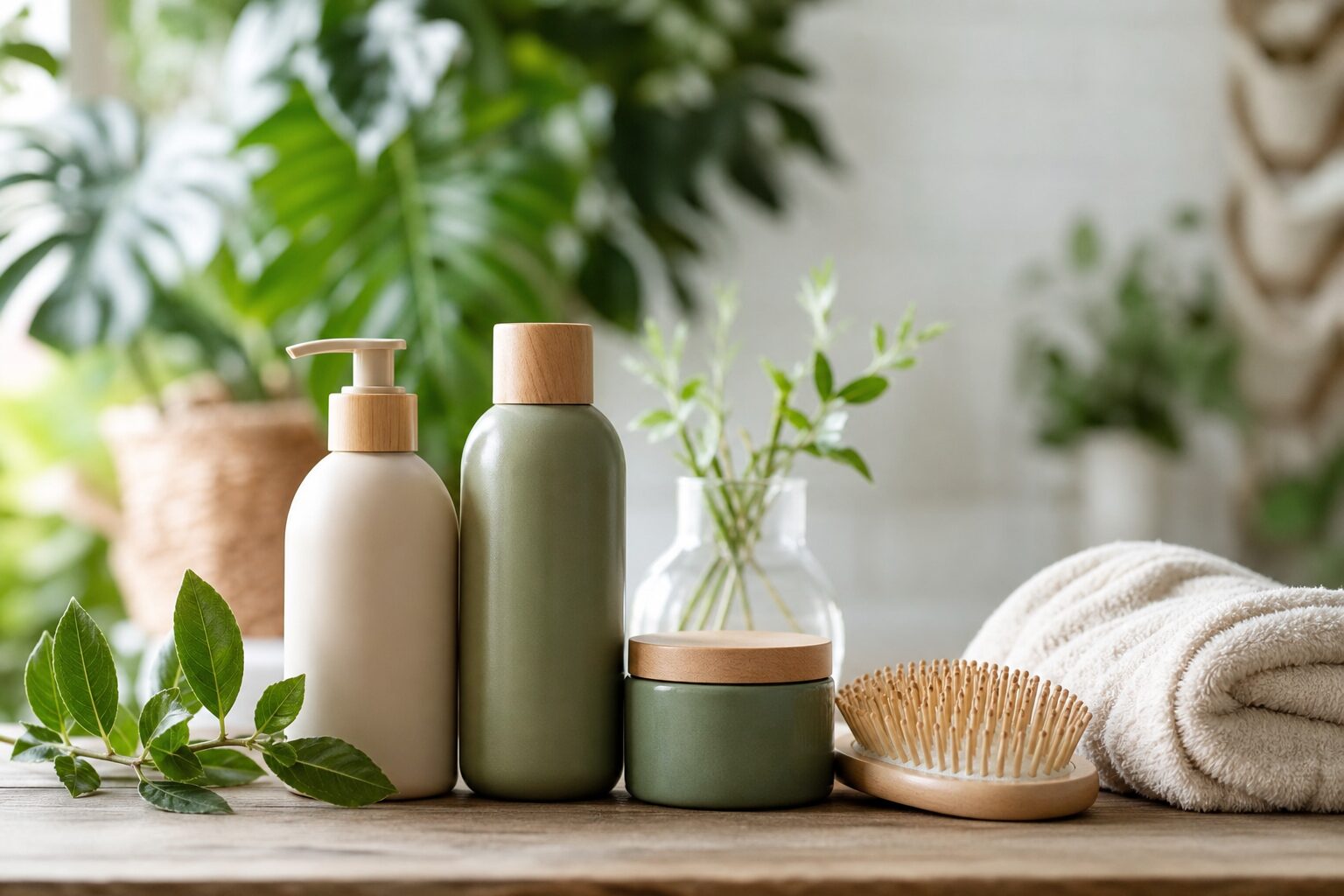

The beauty and personal care sector is currently witnessing a significant shift as professional salons and retail distributors pivot towards ethical sourcing. For B2B stakeholders in the UK market, understanding the nuances of plant-based formulations is no longer optional; it is a commercial necessity. When exploring Vegan Haircare: What Makes It Different?, the answer lies in the intersection of ingredient purity, ethical manufacturing, and the evolving expectations of the modern consumer.
The Core Distinction Between Vegan and Cruelty-Free
In the professional haircare industry, terms are often used interchangeably, leading to confusion during procurement and marketing. However, for a business to maintain transparency and trust, it must distinguish between "cruelty-free" and "vegan" labels.
Cruelty-free refers specifically to the testing process. A product is cruelty-free if neither the final formulation nor its individual ingredients were tested on animals. While this is a critical ethical benchmark, a cruelty-free shampoo could still contain honey, beeswax, or keratin derived from animal hooves.
Vegan haircare goes a step further. To be classified as vegan, a product must be entirely free from any animal-derived ingredients. This means the formulation excludes not only the testing phase but also any byproduct of animal exploitation. For businesses, stocking vegan lines ensures that the product meets the strictest dietary and ethical requirements of a growing customer base.
Key Ingredients That Define Vegan Formulations
The primary difference in vegan haircare is the substitution of traditional animal proteins with plant-based alternatives. Chemists have developed sophisticated botanical replacements that often provide identical, or even superior, results for hair health and manageability.
Plant-Based Protein Alternatives
Traditional haircare often relies on keratin or collagen to strengthen the hair shaft. Since these are animal-derived, vegan alternatives utilise vegetable proteins. Hydrolysed wheat, soy, and pea proteins are common substitutes. These plant proteins are broken down into smaller peptides that can penetrate the hair cuticle, providing the necessary structural support and moisture retention without the use of animal by-products.
Natural Emollients and Conditioners
Many conventional conditioners use lanolin (derived from sheep's wool) or beeswax to smooth the hair surface. Vegan alternatives leverage the power of plant lipids. Common substitutes include:
- Shea Butter: Provides deep moisturisation and protects the hair from environmental stressors.
- Coconut Oil: Offers high penetration into the hair shaft to reduce protein loss.
- Argan Oil: Rich in antioxidants and vitamin E, creating a high-shine finish.
- Aloe Vera: Acts as a natural humectant to balance scalp hydration.
The B2B Advantage: Why Shift to Vegan Haircare?
From a business perspective, the transition to vegan haircare is driven by more than just ethics; it is a strategic response to market demand. UK consumers are increasingly scrutinising ingredient lists, looking for "clean beauty" markers that align with their personal values.
Integrating vegan lines into a salon or retail portfolio allows a business to capture a wider demographic. This includes not only strict vegans but also "flexitarians" and environmentally conscious consumers who perceive plant-based products as being gentler on the scalp and the planet.
Furthermore, vegan formulations often align with other sustainable goals. Because they avoid animal fats, these products are frequently easier to pair with biodegradable packaging and sustainable sourcing certifications. This holistic approach to sustainability enhances brand reputation and builds long-term loyalty with a client base that values corporate social responsibility.
Technical Challenges and Innovations in Vegan Haircare
Transitioning a professional range to a vegan standard is not without its technical hurdles. The primary challenge for formulators is replicating the "slip" and "feel" of animal-based ingredients. For instance, silk proteins provide a specific smoothness that is difficult to mimic with basic plant oils.
However, recent innovations in biotechnology have introduced bio-fermented ingredients. These are created through microbial fermentation, allowing scientists to produce "vegan collagen" or "vegan silk" in a lab setting. These ingredients are molecularly similar to their animal counterparts but are entirely plant-derived.
For the B2B buyer, this means that the performance gap between traditional and vegan haircare has effectively closed. Professional stylists can now offer high-performance smoothing treatments, volumising shampoos, and intensive masks that meet professional standards while adhering to vegan principles.
Frequently Asked Questions
Is vegan haircare as effective as traditional haircare?
Yes, modern vegan formulations use advanced plant proteins and bio-fermented ingredients that perform equally well to animal-based alternatives in strengthening and hydrating the hair.
Does "vegan" automatically mean the product is organic?
No, a product can be vegan by containing no animal ingredients but still use synthetic chemicals; organic refers specifically to how the ingredients were grown.
Can vegan products be used on all hair types?
Absolutely, plant-based ingredients like jojoba oil and pea protein are versatile and can be tailored for curly, straight, oily, or dry hair types.
Are vegan haircare products generally better for the scalp?
Many users find them gentler because they often omit harsh animal-derived additives, although sensitivity depends entirely on the specific botanical ingredients used in the formula.
How can a business verify if a supplier's range is truly vegan?
Businesses should look for recognised third-party certifications, such as The Vegan Society or Leaping Bunny, and request a full ingredient transparency list from the manufacturer.