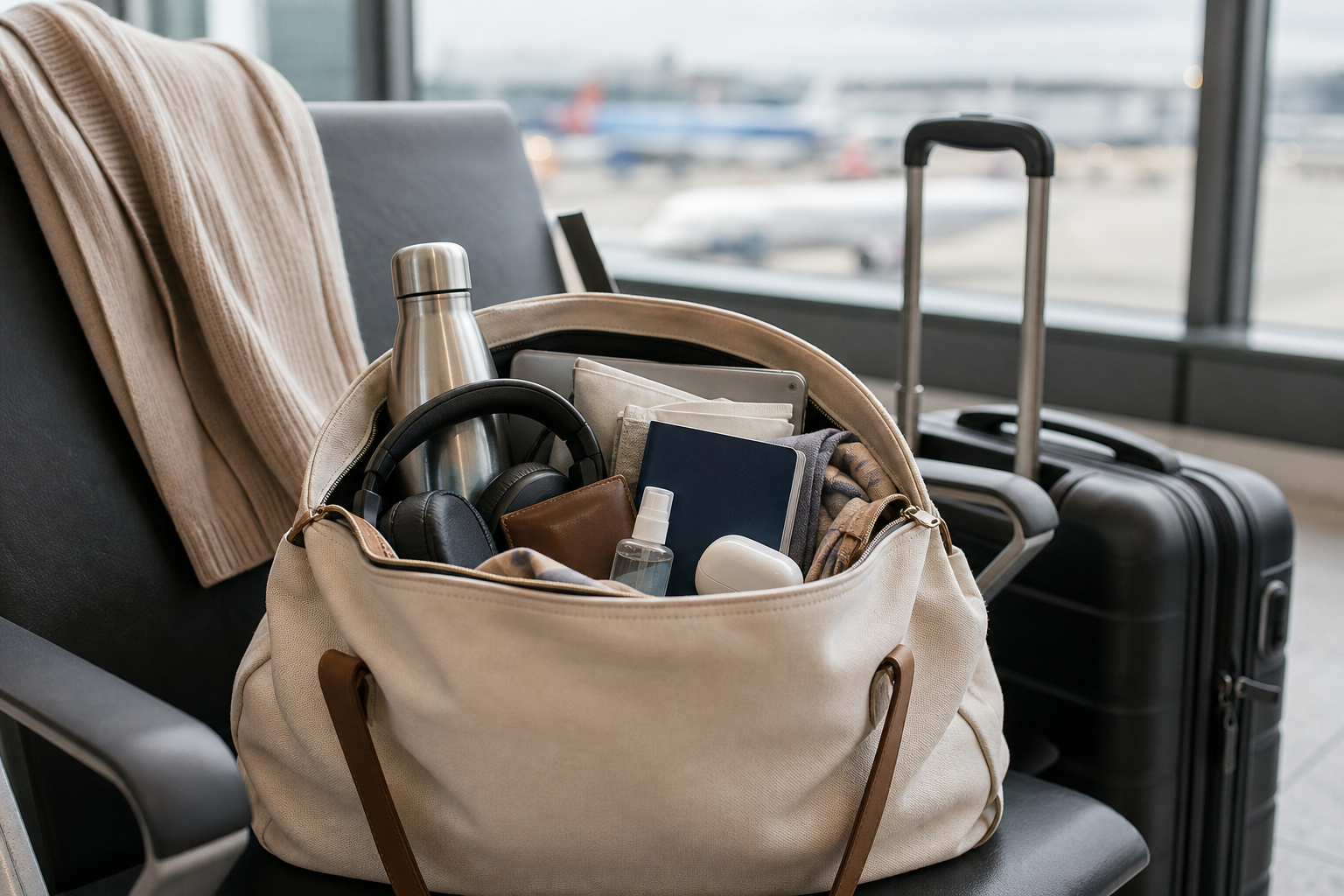

Navigating the demands of corporate travel requires a balance between minimalism and preparedness. For the modern professional, the cabin bag is more than just a carrier for a laptop; it is a mobile office and a survival kit. Ensuring you have the right Travel Essentials You Should Always Keep in Hand Luggage can mean the difference between a productive trip and a stressful journey caused by lost checked luggage or unexpected delays.
Optimising Your Carry-On for Business Efficiency
The primary goal of a business traveller is to remain operational regardless of the circumstances. Relying solely on checked luggage is a strategic risk. If a suitcase is delayed, the ability to attend a high-stakes meeting or deliver a presentation should not be compromised. Therefore, the hand luggage must contain everything required to function professionally for at least 24 hours.
Efficiency starts with organisation. Using packing cubes or dedicated tech organisers prevents the frantic search for a charging cable during a short layover. A streamlined approach to packing ensures that security checks are swift and that essential documents are accessible without unpacking the entire bag.
Essential Technology and Power Solutions
In a B2B context, technology is the lifeline of the operation. A dead battery or a missing adapter can derail an entire itinerary. When selecting your tech kit, prioritise versatility and compact design.
Power Management and Connectivity
A high-capacity power bank is non-negotiable. While many airport lounges and aircraft offer USB ports, they are often slow or non-functional. A dedicated portable charger ensures your smartphone and tablet remain active for communication and navigation. Additionally, a universal travel adapter is vital for international consultants who move between different power socket standards.
Hardware and Data Protection
Your laptop and tablet should always remain in the cabin. Beyond the risk of theft or damage in the hold, these devices contain sensitive corporate data. Using a privacy screen protector is a professional touch that prevents "visual hacking" in crowded terminals or on trains.
- Noise-cancelling headphones: Essential for focusing in noisy environments or taking calls.
- External SSD: For backing up critical presentations and client files.
- Multi-port GaN charger: A compact block that can charge a laptop, phone, and watch simultaneously.
Health, Hygiene, and Personal Comfort
Long-haul flights and climate-controlled cabins can take a toll on physical well-being. Maintaining a level of freshness and health is key to arriving at a client site looking polished and feeling alert.
The Professional Grooming Kit
Adhering to the 100ml liquid rule is standard, but the choice of products matters. A small kit containing hydrating moisturiser, lip balm, and breath mints helps combat the drying effects of cabin air. For those with long flights, a travel-sized toothbrush and toothpaste are essential for a quick refresh before stepping off the plane and into a boardroom.
Wellness and Medication
Health interruptions can disrupt a business schedule. Keeping a small pouch of basic medication—such as pain relief, indigestion tablets, and any prescribed medication—prevents unnecessary trips to local pharmacies in unfamiliar cities.
- Hand sanitiser: A must for maintaining hygiene in high-traffic transit hubs.
- Reusable water bottle: To stay hydrated, ensuring it is emptied before security.
- Eye mask and earplugs: Critical for securing quality sleep on overnight flights to manage jet lag.
Managing Documentation and Travel Essentials You Should Always Keep in Hand Luggage
While digital boarding passes and cloud-stored documents are the norm, technical failures happen. A physical backup of critical information is a hallmark of a prepared professional.
Critical Paperwork and Identification
Keep your passport, visa documents, and travel insurance details in a secure, RFID-blocking folder. Having a printed copy of your hotel reservation and the address of your business destination in the local language can be invaluable if your phone battery dies or roaming services fail upon arrival.
Financial Redundancy
Depending entirely on a single credit card or a digital wallet is risky. Carry a secondary credit card from a different provider and a small amount of local currency. This ensures that you can secure transport or meals even if a primary card is flagged for suspicious activity due to the sudden change in location.
Frequently Asked Questions
What is the best way to organise liquids in hand luggage?
The most efficient method is using a single, transparent, resealable plastic bag that meets the 100ml limit per container. Placing this bag in an easily accessible outer pocket of your carry-on prevents delays at security checkpoints.
Should I keep my laptop charger in my hand luggage?
Yes, you should always keep your charger in the cabin. If your checked luggage is lost or delayed, you will still have the means to keep your primary work device powered and functional.
How can I prevent my electronics from being damaged in a carry-on?
Use padded sleeves for laptops and tablets and store small cables in hard-shell organisers. Avoid placing heavy items on top of fragile hardware to prevent screen pressure or internal damage during transit.
Is it necessary to carry a physical copy of my itinerary?
While digital versions are convenient, a physical printout serves as a reliable backup. It is particularly useful for immigration officials or taxi drivers who may not have access to your digital files.
What should I do if my hand luggage exceeds the weight limit?
To avoid checking your bag at the last minute, wear your heaviest clothing and shoes during boarding. Additionally, distribute small, heavy items like power banks into your jacket pockets to reduce the bag's total weight.