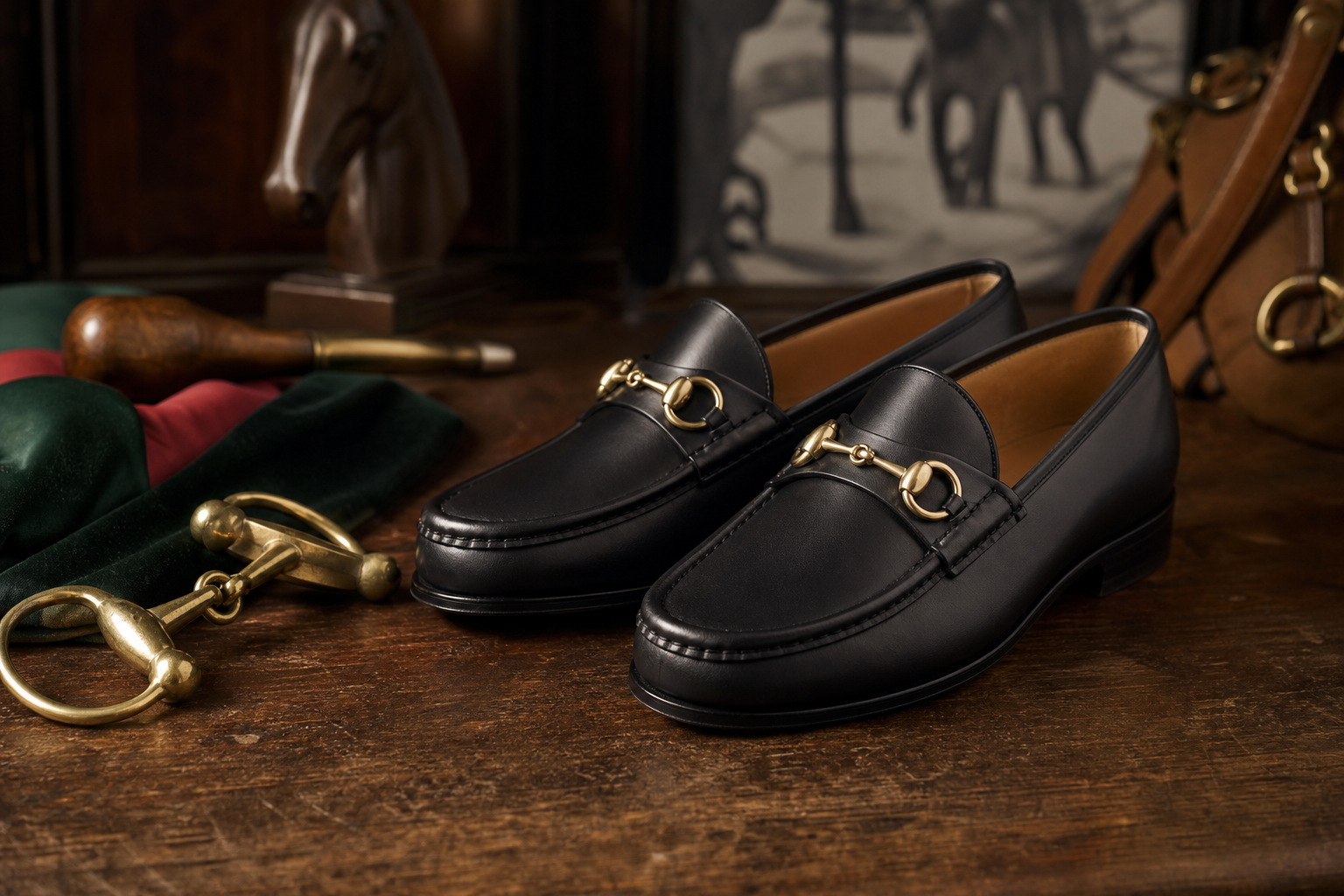

In the world of luxury footwear, few designs possess the enduring power of the Gucci loafer. For B2B professionals in the fashion, retail, and luxury sectors, understanding the evolution of this icon is more than a history lesson; it is a study in brand longevity and strategic design. The Story Behind Gucci's Horsebit Loafers is a narrative of equestrian heritage meeting urban sophistication, creating a product that transcends seasonal trends to become a global symbol of status and taste.
The Origins of an Equestrian Icon
The genesis of the horsebit loafer lies in the deep connection between the House of Gucci and the world of horse racing. Founded in Florence, the brand initially built its reputation on high-quality leather goods inspired by the equestrian lifestyle. This connection was not merely aesthetic; it was a reflection of the clientele Gucci served during its early years—wealthy patrons who frequented the stables and racetracks of Europe.
In 1953, the brand introduced the horsebit detail. By taking the metal bit used to control a horse and miniaturising it for the vamp of a shoe, Gucci created a visual shorthand for luxury and nobility. This design choice was a masterstroke in branding, as it allowed the wearer to signal their affinity for the "sport of kings" without needing a loud logo. The result was a shoe that felt grounded in tradition yet looked entirely modern for the mid-century era.
The Story Behind Gucci's Horsebit Loafers and the Shift to Global Luxury
As the brand expanded into the United States, the horsebit loafer became a cornerstone of the "Jet Set" lifestyle. During the 1960s and 70s, the shoe transitioned from a niche equestrian accessory to a staple of the international business wardrobe. This shift was critical for the brand's B2B growth, as it opened doors to high-end department stores across North America.
The loafer succeeded because it solved a specific problem for the modern professional: the need for a shoe that was formal enough for the boardroom but comfortable enough for travel. It bridged the gap between the rigid formality of the Oxford and the casual nature of the slipper. By positioning the shoe as a versatile tool for the global executive, Gucci ensured that the horsebit became a permanent fixture in the luxury market.
The Role of Material Innovation
The longevity of the loafer was supported by a commitment to superior materials. Gucci utilised high-grade calfskin and soft leathers that moulded to the foot, ensuring that the luxury experience was tactile as well as visual. This focus on quality ensured that the shoes were viewed as investments rather than disposable fashion.
The Influence of the American Market
The American appetite for European luxury played a pivotal role in the shoe's ascent. By catering to the tastes of New York and Los Angeles elites, Gucci transformed the horsebit loafer into a symbol of cosmopolitan success. This era established the blueprint for how luxury heritage brands could scale globally while maintaining an aura of exclusivity.
Strategic Design Elements of the Horsebit Loafer
From a design perspective, the horsebit loafer is a study in balance. The shoe employs a silhouette that is neither too bulky nor too slim, allowing it to pair seamlessly with tailored trousers, denim, or skirts. This versatility is why the design has remained virtually unchanged for decades.
The metal hardware serves as the focal point, providing a structural contrast to the organic curves of the leather. In the B2B luxury sector, this is often cited as a prime example of "quiet luxury"—where the value is recognised by those in the know, rather than shouted through overt branding.
Key design characteristics include:
- The signature double-bit or single-bit metal hardware across the vamp.
- A low-profile heel that provides stability and comfort for all-day wear.
- A slip-on construction that emphasises ease of use and effortless elegance.
- The use of premium leather finishes, ranging from polished calfskin to soft suede.
The Enduring Legacy in Modern Business Fashion
Today, the horsebit loafer continues to influence contemporary footwear trends. While fashion cycles move rapidly, the loafer remains a constant, frequently reimagined by different creative directors without losing its core identity. For retail buyers and fashion consultants, the shoe represents a "safe bet" in inventory because its demand is consistent across generations.
The shoe has evolved to fit a more relaxed professional environment. As business dress codes have shifted away from the full suit, the horsebit loafer has become the ideal accompaniment to "business casual" attire. It provides a polished finish to an outfit without appearing overly stiff, making it a preferred choice for the modern entrepreneur and corporate leader.
Adapting to New Demographics
Gucci has successfully introduced the horsebit to younger audiences by experimenting with bolder colours and chunky soles. By blending the heritage of the 1950s with the aesthetics of the 21st century, the brand has ensured that the loafer remains relevant to Gen Z and Millennial luxury consumers.
The Psychology of the Luxury Staple
The continued success of the loafer is rooted in the psychology of ownership. Owning a pair of horsebit loafers is often seen as an entry point into the world of high fashion. For the consumer, it is a purchase that promises timelessness, reducing the perceived risk associated with high-price luxury goods.
Frequently Asked Questions
Why is the horsebit detail so significant to the brand?
The horsebit detail serves as a direct link to Gucci's equestrian roots and heritage. It transforms a simple shoe into a branded statement of luxury and nobility.
Can horsebit loafers be worn with casual clothing?
Yes, these loafers are highly versatile and pair well with denim or chinos. They elevate a casual look while maintaining a professional and polished appearance.
How does the horsebit loafer differ from a standard penny loafer?
While a penny loafer features a leather strap with a slot, the horsebit loafer uses metal hardware. This makes the Gucci version more formal and visually distinct.
What materials are typically used in the construction of these shoes?
Gucci primarily uses premium calfskin, soft leather, and high-quality suede. These materials ensure durability, comfort, and a luxurious feel for the wearer.
Is the horsebit loafer considered a timeless investment for a wardrobe?
Absolutely, as the design has remained popular since 1953. Its ability to transcend trends makes it a staple piece that retains value and style over time.