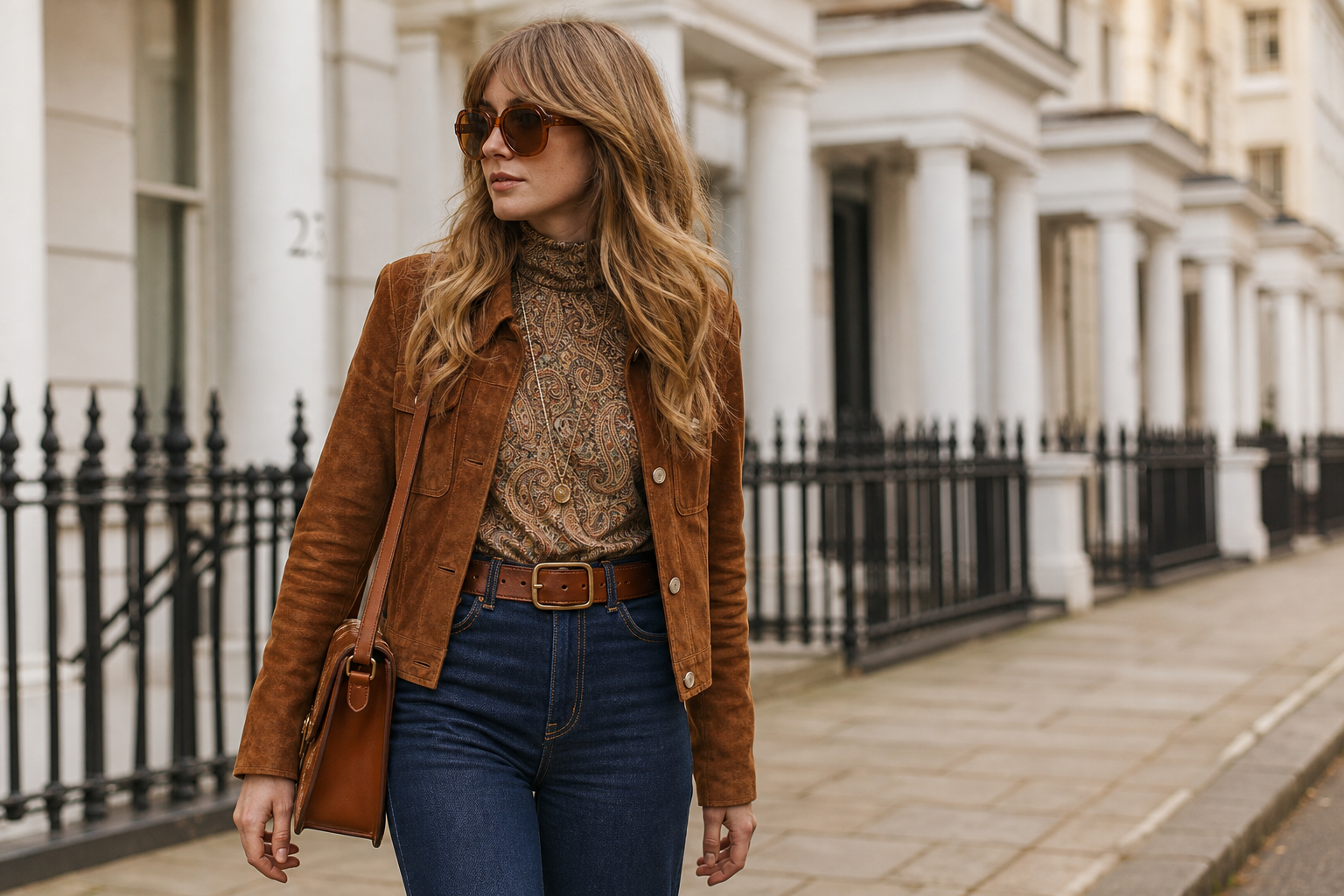

The fashion industry operates in cycles, and currently, we are witnessing a significant revival of the disco era and bohemian spirit. For B2B professionals in the garment, retail, and textile sectors, understanding the return of 1970s fashion: how to style the look is essential for inventory planning and trend forecasting. This era was defined by a rebellion against the structured silhouettes of the 1960s, introducing fluid fabrics, earthy tones, and daring proportions that continue to influence modern runways.
Understanding the Core Elements of 70s Aesthetics
The 1970s were not a monolith of style; rather, they were a blend of contrasting subcultures. To successfully implement these trends in a contemporary commercial setting, one must distinguish between the three primary pillars of the decade: the Bohemian, the Disco, and the Tailored Professional.
The Bohemian influence focused on naturalism. This included the rise of maxi dresses, crochet knitwear, and peasant blouses. These garments prioritised comfort and movement, reflecting the counter-culture movements of the time. In a modern B2B context, this translates to a demand for sustainable materials, organic cottons, and artisanal textures.
Conversely, the Disco era brought glamour and synthetic innovation. This period saw the rise of polyester, sequins, and metallic fabrics designed to catch the light of a dance floor. The silhouette shifted towards high-waisted trousers and wrap dresses, which provided a balance of elegance and functionality.
Finally, the tailored look of the 70s introduced the power suit for women and wider lapels for men. This era shifted the professional wardrobe away from the rigid constraints of the mid-century, introducing softer tailoring and a broader palette of browns, oranges, and greens.
The Return of 1970s Fashion: How to Style the Look for Modern Markets
Integrating vintage aesthetics into a modern wardrobe requires a balance between nostalgia and contemporary minimalism. The goal is to avoid looking like a costume and instead create a curated, sophisticated ensemble.
Mastering the Silhouette
The most recognisable element of the 70s is the flare. Whether it is wide-leg trousers or bell-bottom jeans, the silhouette is designed to create a dramatic line. To style this for a modern professional environment, pair wide-leg trousers with a fitted top to maintain a balanced proportion.
High-waisted cuts are equally vital. By raising the waistline, the wearer achieves a longer leg line, which complements the volume of the trousers. For B2B retailers, stocking high-rise denim and tailored trousers in neutral tones ensures these pieces remain versatile for the end consumer.
Colour Palettes and Textures
The 70s colour story is dominated by "harvest" tones. This includes mustard yellow, burnt orange, avocado green, and deep chocolate brown. These colours evoke a sense of warmth and earthiness.
To modernise these hues, combine them with neutral anchors such as cream, beige, or charcoal grey. For example, a burnt orange blazer paired with charcoal trousers creates a professional yet trend-forward look. Texture also plays a critical role; incorporating corduroy, suede, and velvet adds depth to the outfit without requiring loud patterns.
Key Garments for Every Collection
For those managing procurement or design, focusing on these specific staples will ensure a collection aligns with current market demands.
- The Wrap Dress: Originally popularised by Diane von Furstenberg, this piece remains a timeless staple for its flattering fit and versatility.
- Platform Shoes: From chunky boots to elegant heels, platforms provide the height and structure necessary to support wide-leg trousers.
- Crochet and Knitwear: Open-weave knits and oversized cardigans appeal to the current consumer interest in "slow fashion" and handmade aesthetics.
- The Safari Jacket: Utility wear with belted waists and oversized pockets offers a structured alternative to the softer bohemian styles.
Integrating Vintage Trends into Professional B2B Strategies
From a business perspective, the revival of these styles presents an opportunity to lean into sustainability. The 70s were a time of experimentation, and today's consumers are increasingly looking for "investment pieces" rather than fast fashion.
Retailers should focus on quality over quantity. A well-constructed corduroy blazer or a high-quality suede boot can be marketed as a timeless addition to a wardrobe. By emphasising the longevity of these styles, businesses can align their growth with the growing demand for ethical consumption.
Furthermore, the versatility of 70s fashion allows for easy cross-selling. A customer purchasing a pair of flared trousers is a prime candidate for a tucked-in knit polo or a structured leather belt. Creating "lookbooks" that demonstrate these combinations can significantly increase the average order value.
Adapting the Look for Different Demographics
The beauty of the 1970s revival is its adaptability across age groups and genders. While the younger demographic may lean towards the bold, eclectic nature of the disco era, an older professional demographic may prefer the refined tailoring of the late 70s.
For men's wear, the focus should be on the return of the wide collar and the structured knit polo. These pieces add a touch of personality to a standard business-casual look without appearing unprofessional. Pairing a knit polo with slim-fit chinos and loafers creates a subtle nod to the era.
For women's wear, the emphasis is on fluidity. The transition from a day-to-night look is easily achieved with a wrap dress or a silk blouse paired with high-waisted trousers. The key is to ensure the fabrics are breathable and the cuts are inclusive of various body types.
Frequently Asked Questions
How can I incorporate 70s style into a formal office environment?
The most effective way to do this is by focusing on tailoring. Choose wide-leg trousers in a neutral tone like navy or beige and pair them with a crisp, tucked-in white shirt and a structured blazer.
Which 70s fabrics are most suitable for modern sustainable collections?
Focus on organic cotton corduroy, Tencel-based jerseys, and recycled polyester for those seeking a disco-inspired sheen. These materials offer the look of the 70s while meeting current environmental standards.
Are platform shoes still considered appropriate for professional wear?
Yes, provided the platform is modest and the overall design is streamlined. A block-heel platform boot in leather or suede is an excellent choice for pairing with wide-leg trousers in a business-casual setting.
What are the best colours to pair with mustard yellow for a modern look?
Mustard yellow works exceptionally well when paired with deep navy, forest green, or a soft cream. These combinations tone down the brightness of the yellow, making it suitable for a professional wardrobe.
How do I avoid making 70s fashion look like a costume?
The secret is to mix one vintage-inspired piece with several modern staples. For instance, wear a pair of flared jeans with a contemporary minimalist t-shirt and a modern leather jacket rather than wearing a full 70s ensemble.