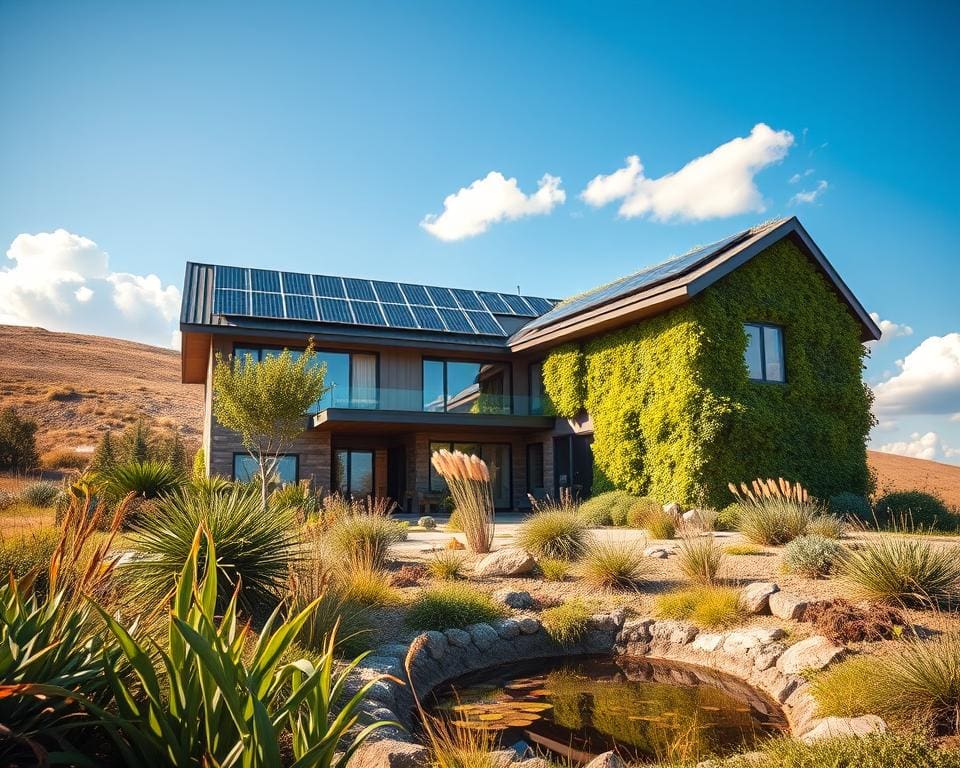

Making your home more energy efficient saves you money, boosts comfort and helps you lower carbon footprint. This short guide explains practical measures, daily habits and financial steps that help you reduce energy bills and improve home energy efficiency across the UK.
UK homes lose heat through poorly insulated lofts, cavity and solid walls, uninsulated floors and draughty windows and doors. Heating and hot water make up the largest share of domestic energy use, whether from gas or electricity. Lighting, appliances and cooking add to electricity demand, especially as more households switch to electric heating and charge electric vehicles.
Use this guide to find fabric-first upgrades, heating improvements and renewable options that work together for the best results. Combining insulation, draught-proofing and efficient heating, then adding solar panels or a heat pump, will give greater long-term savings than piecemeal changes.
Professional surveys such as an Energy Performance Certificate (EPC) and advice from the Energy Saving Trust or Citizens Advice can help you prioritise work and access UK energy saving incentives. The guidance here follows government and independent sources so you can plan with confidence.
Practical upgrades to create an energy efficient home
Start by identifying the highest energy losses in your property and target those first. Simple measures such as loft insulation and draught-proofing give quick results. More involved work like solid wall insulation or underfloor insulation needs planning but can transform comfort and running costs.
Insulation improvements for lofts, walls and floors
Loft insulation is one of the most cost-effective steps you can take. Aim for a depth around 270mm of mineral wool where suitable. Contractors such as British Gas or reputable local firms can top up existing material and add loft boarding and hatch draught-proofing to reduce heat loss.
Cavity wall insulation suits many post-war homes and often pays back quickly. Installers on the National Insulation Association register use bead or mineral wool fills to cut heat flow. For older properties, consider solid wall insulation as internal or external systems; PAS 2030 accreditation is essential for installers.
Underfloor insulation for suspended timber or insulated boards over concrete helps warm ground-floor rooms. Combine moisture control and breathable materials to avoid condensation and include ventilation or mechanical ventilation with heat recovery if you tighten the building fabric.
Window and door upgrades: double glazing and draught-proofing
Replacing single glazing with double glazing improves comfort and reduces energy waste. Choose low-emissivity glass with argon fills for better performance. In exposed locations, triple glazing may be worth the extra cost for its lower U-values.
Look for energy efficient windows in uPVC, timber or aluminium frames with thermal breaks. For period homes, secondary glazing preserves character and adds window insulation. Simple draught-proofing tasks like seals, letterbox brushes and sash improvements give immediate gains.
Efficient heating systems and smart thermostats
Swapping an old non-condensing boiler for an A-rated condensing boiler or modern condensing combi improves combi boiler efficiency and reduces fuel use. Worcester Bosch and Vaillant are examples of manufacturers offering efficient models with good support.
Heat pump systems provide low-carbon heating for well-insulated homes. Air source heat pumps or ground source heat pumps perform best with larger radiators or underfloor heating. Check MCS accreditation and look into heat pump grants such as the Boiler Upgrade Scheme when planning installation.
Fit a smart thermostat and update home heating controls to cut wasted energy. Systems from Nest, Hive and Tado can learn patterns, enable zoning and improve comfort while lowering bills.
Renewable energy options: solar panels and heat pumps
Solar PV offers on-site generation and pairs well with battery storage to raise self-consumption. Typical UK domestic systems range from 2–4 kWp. Choose MCS-accredited installers and review roof orientation before committing to solar panels UK installations.
Combining solar PV with a heat pump or a hybrid system helps you use renewable energy for homes and reduce reliance on mains gas. Consider warranties, inverter replacement cycles and the merits of battery options from brands such as Tesla or LG for storage.
Lighting and appliance choices to cut energy use
Replace incandescent and halogen bulbs with LED lighting to cut consumption dramatically. Fit dimmers and motion sensors in spaces you use rarely to extend savings.
When you replace white goods, choose energy efficient appliances with A-rated appliances labels where possible. Full loads and sensible programmes reduce total energy use. Reduce standby power by using smart plugs and switching off devices at the socket to achieve meaningful standby power reduction.
- Insulate well: loft insulation, cavity wall insulation or solid wall insulation as appropriate.
- Upgrade glazing: double glazing or triple glazing and improve draught-proofing.
- Modernise heating: condensing boiler or heat pump with smart thermostat and refined home heating controls.
- Consider solar PV and check heat pump grants and installer credentials.
- Switch to LED lighting and A-rated appliances to lower running costs.
Behavioural changes and daily habits to reduce energy bills
Small, steady changes to your routine can cut energy use and help you reduce consumption without major expense. Start by checking how you use heat, hot water and appliances so you can set realistic goals and see quick wins.
How to use heating and hot water more efficiently
Set thermostat settings to the lowest comfortable level. For many households that sits between 18–21°C. Use programmable schedules to lower temperatures overnight and when you are out to reduce heating bills.
Create heating zones with TRVs and close doors to rooms you do not use. Bleeding radiators and insulating hot water pipes improve hot water efficiency and even out warmth across the house.
Time immersion heaters and set cylinder thermostats sensibly, around 60°C, so you avoid constant heating. Pair timing with off-peak tariffs where available to cut costs and save energy.
Simple habits that save electricity in the kitchen and laundry
Match pan size to the hob, cover pans and use a microwave for small portions to reduce electricity use when cooking. Boil only the water you need in a kettle and defrost food in the fridge to speed cooking times.
Run full dishwasher loads and pick eco cycles. Air-dry dishes instead of using heated drying. For laundry, wash full loads at 30°C and choose energy saving laundry programmes to lower consumption.
Check fridge and freezer temperatures (3–5°C and −18°C) and keep seals clean. When replacing appliances, look for high-efficiency ratings to cut long-term use.
Making the most of natural light and ventilation
Arrange desks and living areas to take advantage of natural lighting. Clean windows, use light-coloured décor and consider window orientation when planning layouts to boost daylight reflection and gain solar gains in winter.
Use curtains and blinds to trap heat at night and open them on sunny days to warm rooms. Use brief cross-ventilation or trickle vents for passive ventilation to control moisture without long heat loss.
In summer, add shading or reflective film to avoid overheating and reduce the need for mechanical cooling.
Monitoring energy use with smart meters and apps
Install smart meters and use energy monitoring to see near real-time use. The in-home display and home energy apps let you spot high-consumption activities and set targets to reduce consumption.
Try third-party monitoring or smart plugs for appliance-level data. Use weekly targets and review changes after you adjust thermostat settings or adopt appliance usage tips to measure savings and keep motivation high.
You can read a practical guide to many of these tips at how to make your home climate, which links actions to longer-term measures and lifestyle shifts.
Cost, incentives and planning for long-term energy savings
When you weigh cost against benefit, start with low-cost fabric measures. Loft insulation and draught-proofing are inexpensive and typically repay within a few years through lower bills. Cavity wall insulation and an A-rated combi boiler sit in the middle: they need a larger outlay but offer steady savings and a reasonable payback period. Solid wall insulation and heat pumps require higher upfront investment but can cut carbon and bills substantially over the long term.
There are several routes to ease the cost burden. Look for energy efficiency grants UK, local authority offers and schemes like the Boiler Upgrade Scheme to help with heat pump installations. The Green Homes Grant replacement and council-run insulation programmes also appear from time to time; because schemes evolve, always check GOV.UK, the Energy Saving Trust and your council pages for eligibility and current help.
Financing options include green mortgages, low-interest loans from local authorities, installer finance and staged upgrades so you can spread cost while improving performance. Use an up-to-date EPC to set priorities: EPC improvements not only lower running costs but can raise buyer interest. For larger measures such as external insulation or PV arrays, check whether building regulations or planning permission apply, especially for listed properties or conservation areas.
Choose accredited installers and keep full paperwork—MCS for renewables, Gas Safe Register for boilers and TrustMark for retrofit. Secure warranties, commissioning reports and aftercare. Plan a whole-house retrofit with an accredited assessor to sequence measures and avoid issues like interdependent moisture problems. Monitor results, reassess behaviour and reinvest savings into further improvements; a clear plan converts short-term upgrades into long-term value and resilience. Learn more about which upgrades add value here.