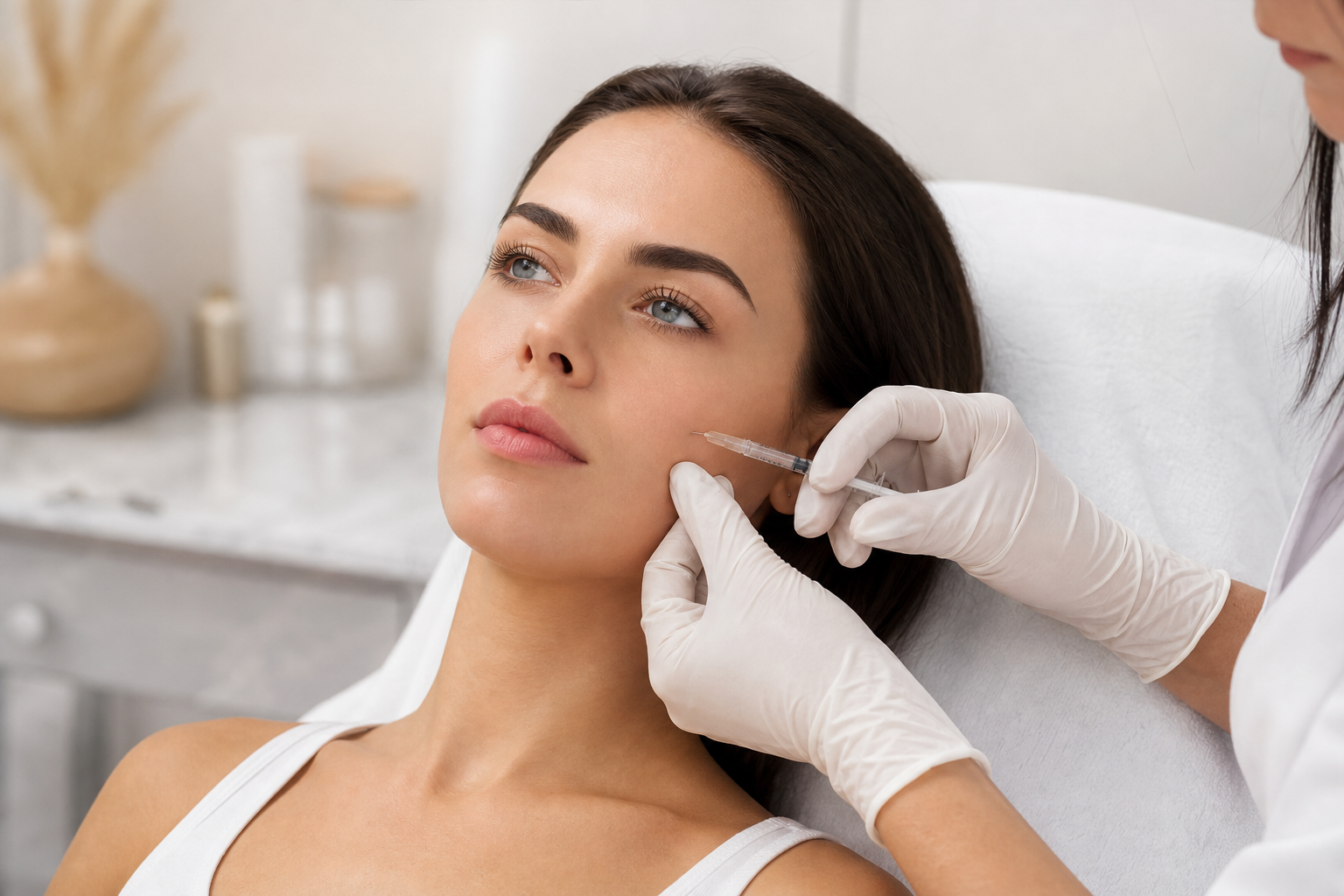

For clinic owners and aesthetic practitioners, staying ahead of treatment trends is essential for maintaining a competitive edge in the UK market. One of the most significant shifts in recent years is the move from corrective procedures to preventative skin quality enhancements. This is where skin boosters enter the conversation. Unlike traditional fillers that reshape the face, these treatments focus on deep hydration and cellular regeneration.
Understanding the nuance between different injectable categories allows B2B providers to better educate their clients and curate a service menu that meets the growing demand for "glass skin" and natural-looking rejuvenation.
The Fundamentals of Skin Booster Technology
Skin boosters are injectable treatments designed to improve the overall quality, elasticity, and hydration of the skin. While they often contain hyaluronic acid (HA), their purpose differs fundamentally from dermal fillers. Dermal fillers are designed to add volume to specific areas, such as the cheeks or lips, by using a cross-linked HA that stays in one place to create lift.
In contrast, skin boosters use a non-cross-linked or lightly cross-linked hyaluronic acid. This allows the product to spread evenly across the dermis rather than forming a structural gel. The primary goal is to create an internal reservoir of moisture, which improves the skin's resilience and luminosity from the inside out.
From a biological perspective, these treatments work by attracting water molecules into the skin tissue. This process increases the concentration of hyaluronic acid in the extracellular matrix, which in turn supports the skin's structural integrity. For the practitioner, this means providing a treatment that enhances the skin's natural glow without altering the patient's facial anatomy.
Skin Boosters Explained: What Are They Used For?
When discussing skin boosters explained: what are they used for? with professional clients, it is important to highlight that these treatments address "skin quality" rather than "skin structure". They are primarily used to treat dehydration, dullness, and the early signs of ageing.
The versatility of skin boosters makes them suitable for various areas of the body, though the face, neck, and décolletage are the most common. They are particularly effective for patients who are not yet ready for volumising fillers but are noticing a loss of radiance or the appearance of fine dehydration lines.
Addressing Fine Lines and Creases
One of the primary applications is the reduction of superficial fine lines. These are often caused by a lack of moisture in the upper layers of the skin. By hydrating the dermis, skin boosters "plump" these lines from within, resulting in a smoother surface texture. This is especially effective around the periorbital area and the forehead.
Improving Skin Elasticity and Tone
As we age, the production of collagen and elastin slows down. Skin boosters often contain ingredients that stimulate fibroblasts—the cells responsible for collagen production. By improving the skin's internal support system, the treatment helps to firm sagging skin and improve the overall tone, making the complexion appear more vibrant and healthy.
Comparing Skin Boosters to Other Aesthetic Treatments
In a busy clinic environment, patients often confuse skin boosters with other injectables. Distinguishing these services is key to managing expectations and ensuring patient satisfaction.
Skin Boosters vs. Dermal Fillers
The main difference lies in the molecular structure of the hyaluronic acid. Fillers are designed for "filling" and "contouring". They have a higher G-prime (elasticity), which allows them to push against tissue to create a lift. Skin boosters have a lower viscosity, meaning they integrate into the skin tissue to hydrate rather than displace it.
Skin Boosters vs. Mesotherapy
While skin boosters are technically a form of mesotherapy, the terms are often used interchangeably. Traditional mesotherapy may involve a cocktail of vitamins, minerals, and enzymes tailored to specific concerns like fat reduction or pigmentation. Skin boosters are generally more focused on the hydrating properties of HA, though some modern formulations include amino acids and antioxidants to enhance the result.
Clinical Application and Patient Selection
Selecting the right candidate for skin boosters is essential for achieving the best clinical outcomes. While most skin types can benefit from deep hydration, certain patients will see more dramatic results than others.
The ideal candidate is typically someone experiencing:
- Chronic skin dehydration that topical creams cannot resolve.
- A "tired" or sallow complexion lacking natural radiance.
- Early signs of skin laxity and fine lines.
- Rough skin texture or enlarged pores caused by loss of elasticity.
From a practitioner's perspective, the administration technique is vital. Depending on the product, boosters can be delivered via micro-droplets across a wide area or through a more targeted approach in specific zones of concern. The goal is to ensure an even distribution of the product to avoid the formation of small lumps, which can occur if the product is injected too superficially or in too large a volume in one spot.
Integration into a Comprehensive Skin Plan
For B2B providers, skin boosters should not be viewed as a standalone "quick fix" but as part of a holistic skin health journey. Integrating these treatments with other modalities can amplify the results and increase the lifetime value of the client.
For example, combining skin boosters with chemical peels or microneedling can be highly effective. A chemical peel removes dead skin cells and improves surface texture, allowing the skin to be more receptive to subsequent treatments. Following this with a course of skin boosters ensures that the new, fresh skin is deeply hydrated and supported from beneath.
Furthermore, the use of medical-grade skincare—such as Vitamin C serums and retinoids—complements the effects of skin boosters. While the injectable provides the deep-tissue hydration, topical products manage the epidermal barrier and protect against UV damage, ensuring the results of the boosters last as long as possible.
Managing Patient Expectations and Aftercare
Clear communication is the cornerstone of a successful aesthetic practice. Because skin boosters do not provide the immediate, dramatic change associated with fillers, patients must understand the timeline of the results.
Most patients will notice an immediate "glow" due to the hydrating effects of the HA, but the true structural improvements—such as increased elasticity and reduced fine lines—typically emerge over several weeks as the skin's collagen production is stimulated. A course of treatments is usually recommended, often spaced three to four weeks apart, to build a cumulative effect.
Aftercare is relatively straightforward but necessary to prevent infection and maximise the product's efficacy. Patients should be advised to:
- Avoid intense exercise or sauna visits for 24 to 48 hours.
- Maintain a high intake of water to support the hyaluronic acid's hydrating properties.
- Apply a broad-spectrum SPF daily to protect the newly stimulated skin from photo-ageing.
- Avoid using harsh exfoliants or retinols for a few days following the procedure.
Frequently Asked Questions
How long do the results of skin boosters typically last?
The duration of the results varies depending on the specific product used and the patient's metabolism, but generally, effects last between six to nine months. Regular maintenance sessions are recommended to sustain the levels of hydration and collagen stimulation within the dermis.
Are skin boosters safe for all skin types?
Yes, skin boosters are generally safe for all skin types and tones because they use hyaluronic acid, a substance naturally found in the human body. However, a thorough consultation is required to screen for allergies or contraindications, such as active skin infections at the injection site.
How many sessions are required for optimal results?
While a single session provides an initial boost in hydration, most practitioners recommend a course of three treatments spaced a month apart. This cumulative approach ensures that the skin's collagen production is fully activated and the hydration levels are optimised.
Is there any downtime associated with the treatment?
Downtime is minimal, although patients may experience slight redness, swelling, or small bumps at the injection sites for a few days. These are normal reactions to the injection process and typically resolve quickly without any lasting impact on the skin's appearance.
Can skin boosters be used on the body?
Yes, skin boosters are highly effective for treating areas of the body that are prone to dryness and thinning, such as the neck, chest, and the backs of the hands. These areas have fewer oil glands and often require the deep hydration that boosters provide.