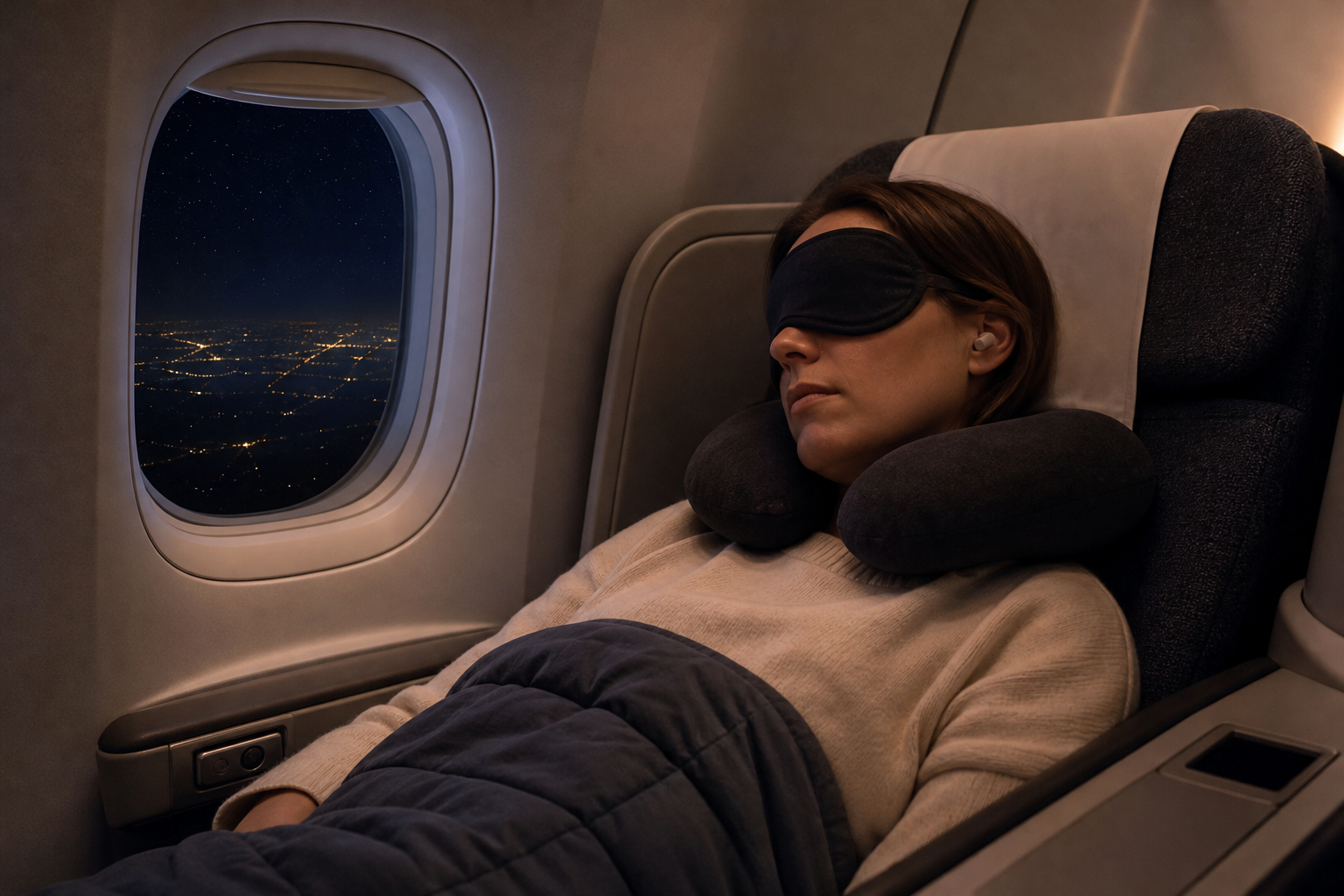

For the modern business traveller, the overnight flight is often a necessary evil. Whether you are heading to a conference in Singapore or a board meeting in New York, the ability to rest during transit directly impacts your professional performance upon arrival. However, the combination of cabin pressure, noise, and cramped seating makes deep sleep elusive. By implementing a strategic approach to your journey, you can mitigate jet lag and arrive feeling refreshed.
Preparing Your Body Before Take-off
The secret to a restful flight often begins long before you reach the airport. Your body operates on a circadian rhythm that is easily disrupted by crossing time zones. To prepare, start shifting your sleep schedule a few days prior to departure. If you are travelling east, try going to bed an hour earlier each night; if heading west, stay up slightly later.
Hydration is another critical factor. Airplane cabins have extremely low humidity, which can lead to dehydration, headaches, and fatigue. Drink plenty of water in the twenty-four hours leading up to your flight. Avoid excessive caffeine or alcohol the evening before, as these can interfere with your ability to fall asleep once you are in your seat.
Choosing the right attire is equally important. For B2B travellers, the temptation is to wear a sharp suit to the airport for a seamless transition to a meeting. Instead, opt for high-quality, breathable layers. Natural fabrics like merino wool or cotton allow your skin to breathe and help you regulate your body temperature as the cabin fluctuates between freezing and stifling.
Practical Tips for Sleeping Better on Overnight Flights
Once on board, your immediate environment determines your success. The goal is to create a "sleep sanctuary" within the confines of an economy or business class seat. The first step is to eliminate sensory distractions. Noise-cancelling headphones are an essential investment for any frequent flyer, as they block out the constant drone of the engines and the chatter of fellow passengers.
Optimising Your Physical Comfort
Physical alignment is the biggest challenge when sleeping upright. A high-quality neck pillow is indispensable, but the type matters. Memory foam pillows provide better structural support than inflatable ones, preventing your head from dropping and waking you abruptly.
Consider these essential items for your carry-on:
- An eye mask that completely blocks out cabin lights and reading lamps.
- Compression socks to improve circulation and reduce the risk of swelling in the legs.
- A lightweight travel blanket or a large cashmere scarf to avoid relying on thin airline blankets.
- Earplugs as a secondary layer of silence if headphones become uncomfortable.
Managing Your In-flight Nutrition
What you consume during the flight dictates how well you sleep. While the complimentary meal is a staple of the experience, heavy or spicy foods can cause indigestion, which is exacerbated by the altitude. Opt for lighter options and avoid sugary snacks that cause energy spikes and subsequent crashes.
Avoid the temptation of the complimentary alcoholic beverage. While a glass of wine may help you fall asleep faster, alcohol disrupts the REM cycle, meaning the sleep you do get is of poor quality. Instead, drink herbal teas or water. If you struggle with anxiety during flights, a magnesium supplement or a mild herbal tea can help relax your muscles and mind.
Strategic Timing and Mindset
Timing your sleep to align with your destination's time zone is the most effective way to combat jet lag. As soon as you board the aircraft, set your watch to the local time of your destination. This mental shift encourages you to ignore the current time and start behaving as if you are already there.
If it is nighttime at your destination, try to sleep as soon as the first meal service is complete. If it is daytime, stay awake by reading or working, then sleep only during the destination's night hours. This discipline prevents the "twilight zone" feeling where you wake up every two hours, unable to decide if you should be eating breakfast or sleeping.
To quiet a racing professional mind, employ a simple relaxation technique. Many business travellers find that "box breathing"—inhaling for four seconds, holding for four, exhaling for four, and holding for four—lowers the heart rate and signals to the brain that it is safe to sleep. Avoiding screens in the hour before you intend to sleep is also vital, as the blue light emitted by tablets and laptops suppresses melatonin production.
Overcoming Common In-flight Obstacles
Even with the best preparation, disruptions occur. The most common issue is the "middle seat struggle," where limited space makes it impossible to find a comfortable position. If you are in a middle seat, try to lean slightly towards the window or the aisle to find a natural angle for your neck pillow.
Another challenge is the temperature. Cabin temperatures are notoriously inconsistent. Layering is the only reliable solution. Wear a soft t-shirt under a sweater and keep a jacket nearby. If you feel too warm, removing a layer is easier than trying to find extra blankets from a flight attendant who may be busy with other passengers.
Finally, manage your expectations. It is unlikely that you will achieve eight hours of deep, uninterrupted sleep in a plane seat. Instead, aim for "restful periods." Even if you cannot fall into a deep sleep, keeping your eyes closed and your body still provides a level of recovery that is far superior to staying awake and scrolling through emails.
Frequently Asked Questions
Should I take sleeping pills on long-haul flights?
Consult a doctor before using sedative medication, as these can increase the risk of deep vein thrombosis by reducing movement. Many travellers prefer natural alternatives like melatonin or magnesium to encourage sleep without heavy sedation.
How do I deal with a snoring passenger next to me?
The most effective solution is a combination of high-quality earplugs and noise-cancelling headphones. If the noise is unbearable, you can politely ask the cabin crew if there are any empty seats available for a move.
Is it better to eat the plane food or fast before sleep?
Eating a light, protein-rich meal is generally better than fasting, as hunger can keep you awake. However, avoid heavy carbohydrates and sugars, which can lead to restlessness and digestive discomfort during the flight.
How can I avoid waking up feeling groggy?
Hydrate aggressively upon waking and seek out natural light as soon as you land. Gentle stretching in the aisle or a quick walk through the airport helps restart your circulation and clears mental fog.
Which seat is best for sleeping on an overnight flight?
A window seat is generally superior because it provides a surface to lean your head against and prevents you from being woken up by passengers needing to use the restroom.