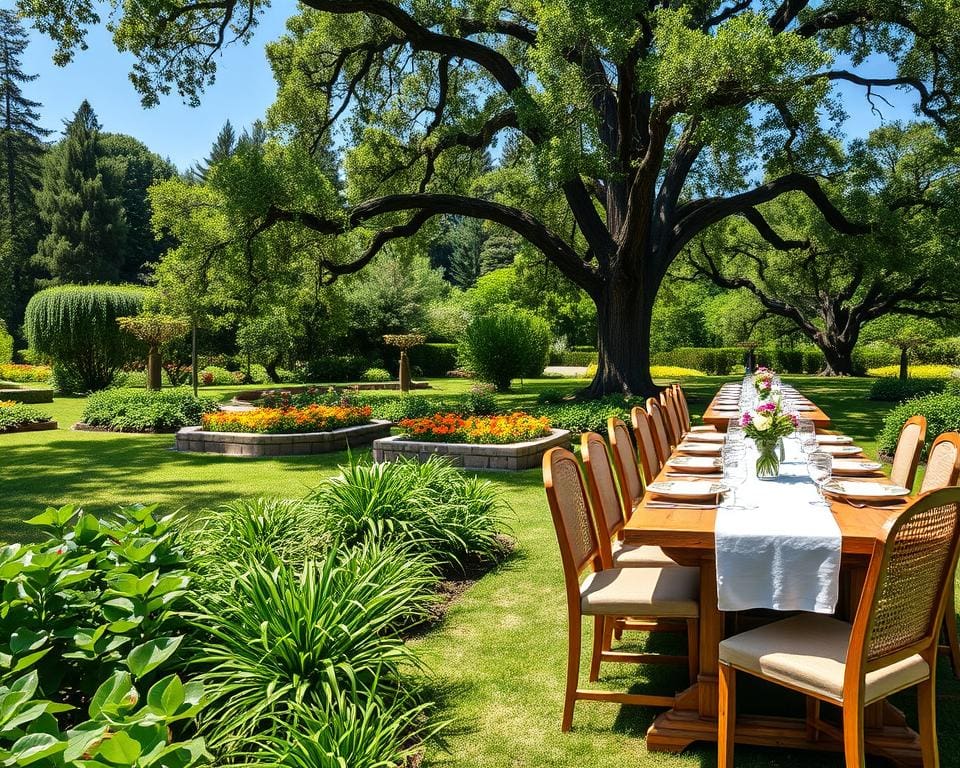

An outdoor dining area gives your garden a clear purpose. It is a place to eat, talk and relax without rushing, whether you are hosting friends or enjoying a quiet meal with family.
A well-planned garden dining area offers more than a table and chairs. The right position, comfortable seating, shade, lighting and weather-resistant outdoor dining furniture all help you enjoy long lunches in the garden.
You can adapt these ideas to compact patios, paved terraces, courtyards, lawns and larger UK gardens. Good planning also makes serving food easier and helps you move between the kitchen and garden with less effort.
From choosing a suitable setting to preparing for guests, this guide explores practical ways to improve alfresco dining and outdoor entertaining. You will also find inspiration for combining attractive garden furniture with comfort, shelter and everyday use. Explore these stylish outdoor furniture ideas to help shape a relaxed setting for every occasion.
How to design an inviting outdoor dining area
Your dining area should feel easy to use, comfortable and connected to the garden. The right position supports relaxed meals, smooth serving and good conversation. A thoughtful garden dining layout can make your outdoor entertaining space feel like a natural extension of your home.
Choose the best position in your garden
The best place for outdoor dining is often close to the kitchen or back door. A short route makes it easier to carry serving dishes, drinks and crockery outside. It can reduce trips indoors when you host a long lunch.
Watch how the sun moves across the garden before you choose a sunny garden position. A spot that feels pleasant in late morning may become too hot by mid-afternoon. A shaded area may feel chilly during spring or early autumn.
Spend time outside at different hours and seasons. Nearby trees and buildings can change the light, while low evening sun may shine into your guests’ eyes. This simple check helps you choose a position that stays pleasant for longer.
Wind protection matters, too. Walls, fences, hedges, mature planting and pergolas can create sheltered garden seating. Keep furniture away from falling branches, heavy damp and areas with poor drainage.
Choose level, stable ground for safe movement and steady table settings. Paving, decking or a well-prepared terrace can offer a firmer base than uneven lawn. Keep pathways clear, leave room for gates and doors to open, and allow guests to move around the table with ease.
Face the table towards attractive planting, borders or a water feature where possible. A pleasing view makes the patio dining area feel more connected to its surroundings.
Plan a comfortable layout for long lunches
Measure the space before buying furniture. Your outdoor dining layout should leave enough room to pull out chairs and walk behind seated guests. Good garden table spacing prevents the area from feeling crowded.
Plan for the number of people you expect to host. A small table suits everyday meals, while an extendable design gives you more flexibility for family gatherings. Modular pieces can support different garden entertaining ideas throughout the year.
Keep serving routes short and clear. Place the table near a sideboard, trolley or back door if you often serve several courses. This creates a practical alfresco dining arrangement without interrupting conversation.
Think about how the furniture relates to paths, planting and walls. A balanced patio furniture layout should frame the view rather than block it. Leave space around the table for safe movement and easy cleaning.
Choose comfortable outdoor seating with supportive backs and enough room to sit for several hours. Cushions can soften firm surfaces, though they should be stored in a dry place when not in use. A clear plan helps the area work for quiet breakfasts and larger gatherings.
Select outdoor dining furniture for comfort and style
Choose outdoor dining furniture that suits the scale of your garden and the way you entertain. Teak offers strength and natural weather resistance. Aluminium is light, rust-resistant and simple to maintain, while synthetic rattan brings a softer, traditional look.
Look for UV-resistant finishes and weather-resistant garden furniture made for the British climate. Durable patio furniture should cope with changing temperatures, rain and regular use. Protective covers can help extend its life during wet months.
Compare garden dining sets by checking seat height, table depth and leg position. Comfortable garden chairs should provide good support without taking up too much space. Make sure the table allows guests to eat, pour drinks and pass dishes with ease.
An outdoor table and chairs set can define the style of the garden. Natural timber works well with planting, while powder-coated metal gives a cleaner modern feel. Add cushions in a colour that complements nearby flowers, fencing or paving.
For evening meals, consider LED-lit outdoor lounge sets that combine seating with gentle illumination. The right lighting can make the space feel warm without overpowering the table or surrounding planting.
Garden furniture, shade and lighting for relaxed outdoor meals
Your furniture, shade and lighting set the mood for long meals outside. Choose pieces that suit your garden, match your home and feel easy to use. A well-planned space should look inviting at midday and remain comfortable as the sun moves.
Find the right garden table and chairs
The garden table and chairs form the foundation of your dining area. Choose a coordinated outdoor dining set with enough room for plates, serving dishes and drinks. The best garden furniture should suit your paving, fencing, planting and the exterior of your home.
Consider the garden table materials before you buy. Hardwood and teak add warmth and natural texture, yet may need regular cleaning or oiling, based on the finish. Powder-coated aluminium and steel offer a crisp, modern look and are often simple to maintain. Heavier tables can give greater stability in an exposed garden.
Glass tops make a small space feel light and open. They can show fingerprints, water marks and food stains, so regular cleaning is part of their care. Composite and recycled-plastic surfaces are useful choices when low-maintenance living matters most.
Look for comfortable patio chairs with breathable, quick-drying or washable covers. Removable outdoor cushions make cleaning easier and let you refresh the colour of your setting. Chairs do not need to match perfectly. A bench can sit along one side of a rectangular table, while armchairs at each end can create a softer, more relaxed feel.
Check the care and storage needs of your weatherproof dining furniture. Wind, heavy rain and frost can affect finishes over time. If you plan to use a garden parasol, check for a central opening or enough clearance before ordering the table.
Add stylish shade for sunny lunches
Good garden shade ideas help you enjoy lunch through the brightest part of the day. A freestanding garden parasol suits many patios and can be moved as the sun changes. Choose a stable base and a fabric that can be removed for cleaning.
For a permanent look, a pergola dining area can frame the table and create a clear outdoor room. Add climbing plants, slatted panels or a retractable canopy for flexible outdoor dining shade. A patio awning works well beside the house, especially when you want sheltered outdoor seating close to the kitchen.
Make sure the shade solution works with your furniture. Check its reach, base position and clearance before setting the table. Shade should feel like part of the design, rather than an item added after every other choice has been made.
Use textiles and accessories to create a welcoming setting
Small details bring character to your meal. Use outdoor dining accessories that can cope with moisture, sunlight and regular handling. A washable runner, woven placemats and durable garden tableware can give your garden table styling a polished appearance.
Keep the alfresco table setting relaxed with soft colours and natural textures. Outdoor cushions in linen-look or quick-drying fabrics add comfort without making the area feel formal. Choose tones that link with your planting, paving or house walls.
Outdoor entertaining décor can be simple. Add a ceramic jug, a bowl of fruit or a low vase of flowers. Keep tall items away from the centre of the table, where they could block conversation or catch the wind.
Extend the occasion with garden lighting
Thoughtful garden dining lighting helps guests stay comfortable after sunset. Start with practical outdoor lighting ideas around steps, paths and changes in level. Soft patio lighting can mark the edge of the dining area without creating glare.
Garden festoon lights add a gentle glow above a pergola or along a fence. Solar garden lights work well around borders and paths, with no cable needed across the lawn. For the table itself, use outdoor table lanterns with protected flames or rechargeable bulbs.
Place lights at different heights to create depth. Keep the brightest light away from eye level, leaving the table bright enough for garden tableware and serving dishes. A warm, low glow will support conversation and make the space feel ready for another course.
Practical ideas for hosting long lunches in the garden
Good garden party planning starts before guests arrive. Wipe the table, check each chair and sweep the patio. Clear toys, tools and other obstacles from paths and steps. Measure the space once more, then add cushions or a modular seat if guests need extra comfort. A LED-lit outdoor lounge set can also make the area more useful as daylight fades.
Check the forecast on the morning of your meal. Secure parasols, cushions and light decorations if wind is expected. Keep blankets, waterproof covers and an indoor option ready for cool or wet spells. As part of your garden hosting checklist, test paths, steps and outdoor lights before the meal begins. Offer a mix of seating, with enough room for easy conversation.
Choose alfresco lunch ideas that suit relaxed serving. Prepare dishes in advance where possible, then offer salads, bread, cold meats, savoury tarts and sharing plates. During outdoor meal preparation, keep perishable food cool and out of direct sunlight. Use cool bags, insulated containers or suitable serving dishes, and follow current food-safety guidance. Cover food between servings, remove empty glasses quickly and keep waste away from the table.
Set up a trolley, sideboard or small table with plates, cutlery, glasses, napkins, condiments and drinks. A sturdy jug or dispenser keeps water close at hand, while reusable tableware limits trips indoors. Keep a lidded bin nearby and use a tray for used crockery. These simple outdoor entertaining ideas help you enjoy hosting lunch in the garden without rushing. Afterward, wipe the furniture, remove food debris, dry textiles and store covers as directed by the manufacturer.