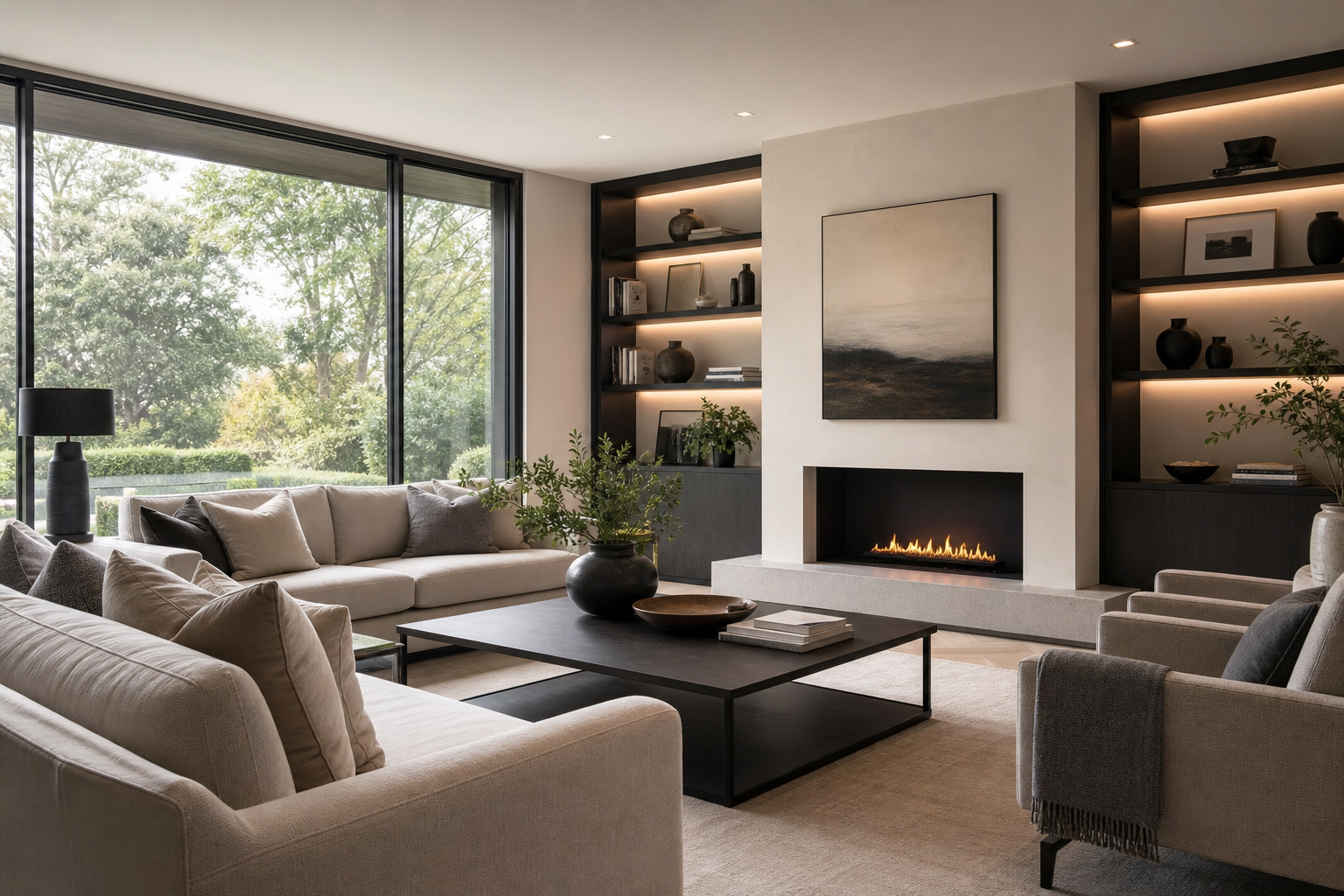

For UK property developers, hospitality operators and workplace consultants, residential style is more than decoration. It shapes buyer confidence, guest comfort and long-term asset value. Modern Interior Design: Creating a Timeless Home is therefore about disciplined choices: materials that age well, layouts that support daily life, and details that feel current without becoming dated next season.
What Makes Modern Interior Design: Creating a Timeless Home Work?
A timeless modern home is not a museum of neutral colours. It balances clarity with warmth. Clean lines, generous circulation and integrated storage create calm, while timber, wool, stone and textured finishes prevent the space from feeling cold. For B2B teams, the commercial value lies in repeatable principles. A scheme can be adapted across apartments, show homes, serviced accommodation or premium rental units without losing its character.
Fashion-led interiors often rely on one dominant gesture: a colour trend, a novelty fitting or a dramatic surface. Timeless design is quieter. It uses proportion, light and material quality as the main features, so replacement cycles are slower and future updates are easier.
Planning Spaces for Real Use
Good planning starts with the way people move, work, rest and host. In residential-led projects, a beautiful room that fails at storage, acoustics or lighting will date quickly because it irritates users. Editors, specifiers and project managers should review layouts before finishes, checking whether furniture can breathe and whether doors, joinery and sockets support normal routines.
Flexible Layouts Without Visual Clutter
Flexibility does not mean placing everything on wheels. It means allowing rooms to respond to changing needs while keeping a clear visual order. A dining area may also serve as a laptop spot, but it still needs good task lighting and nearby power. A spare room may become a nursery, study or dressing room, so built-in storage should avoid overly specific dimensions.
Light, Sightlines and Calm Movement
Natural light remains one of the strongest tools in modern interiors. Where daylight is limited, layered artificial lighting can protect atmosphere and function. Sightlines also matter. When a person enters a home, the first view should feel composed, not crowded by coats, bins or awkward furniture backs. This is especially important in compact UK schemes, where every square metre must work hard.
Materials and Colours with Staying Power
Timeless modern interiors favour honest materials and edited palettes. That does not require luxury at every touchpoint. A modest laminate used consistently can look better than several expensive finishes competing for attention. The key is to specify surfaces that suit the setting, expected wear and cleaning regime.
Useful choices include:
- Engineered timber or quality timber-effect flooring in high-traffic areas where stability and maintenance matter.
- Soft, warm neutrals supported by one or two deeper accent tones, rather than a crowded colour story.
- Durable fabrics with texture, such as bouclé-style weaves, linen blends or wool-rich upholstery, selected for the use case.
- Simple ironmongery and tapware in finishes that can be matched if repairs or extensions are needed later.
Colour should be managed with the same care. Warm whites, soft greys, muted greens, clay tones and natural browns often provide a calm base, but context decides the result. North-facing rooms may need warmer undertones, while bright south-facing rooms can carry cooler shades with confidence.
Detail, Craft and Commercial Consistency
Small decisions decide whether a modern interior feels refined. Shadow gaps, skirting profiles, grout colour, curtain headings and socket positions are rarely noticed individually, but together they set the standard. In B2B work, consistency is also practical. It helps procurement, simplifies installation and gives marketing teams a clearer visual language across photography, brochures and digital assets.
Craft does not always mean bespoke joinery. It can mean lining up a tile grid with a vanity, choosing handles that feel solid, or allowing curtains to stack properly clear of a window. These details improve daily experience and make spaces photograph well without shouting for attention.
Balancing Current Taste with Longevity
Modern living changes. Open-plan kitchens, hybrid working, wellness features and pet-friendly finishes all influence briefs. The challenge is to respond without turning every project into a snapshot of one year. Use trend-led elements where they are easy to change, such as cushions, artwork, loose rugs and accessories. Keep expensive, fixed items more restrained.
In the middle of a project, the phrase Modern Interior Design: Creating a Timeless Home can be a useful test. If a choice looks fresh today but would weaken the room when one fashion passes, it may be better used as a removable layer.
Longevity also depends on maintenance. A pale sofa in a serviced apartment may suit the brand image, but removable covers or stain-resistant fabrics will protect the investment. Beauty and practicality should sit together, not compete.
Frequently Asked Questions
What is the difference between modern and contemporary interior design?
Modern design usually refers to a clear, functional approach with simple forms, balanced proportions and limited ornament. Contemporary design describes what is current now, so it changes more quickly. In practice, many UK projects blend both, using modern structure with carefully selected contemporary details.
How can a business keep interiors timeless across multiple sites?
Create a controlled design language rather than copying every room exactly. Core materials, lighting principles, joinery details and colour families can remain consistent, while local character appears through art, accessories or small accent choices. This gives each site identity without increasing complexity for procurement, maintenance or brand management.
Which items are worth investing in first?
Prioritise elements that are difficult or costly to replace: flooring, lighting infrastructure, fitted storage, sanitaryware and kitchen components. Loose furniture and decorative layers can then support the scheme at different budgets. This approach helps a modern home feel considered from the start, while leaving room for seasonal updates and future tenant or buyer preferences. It also reduces waste because the longest lasting pieces are specified with care, not treated as afterthoughts once the visible styling has taken the main budget or project attention too.