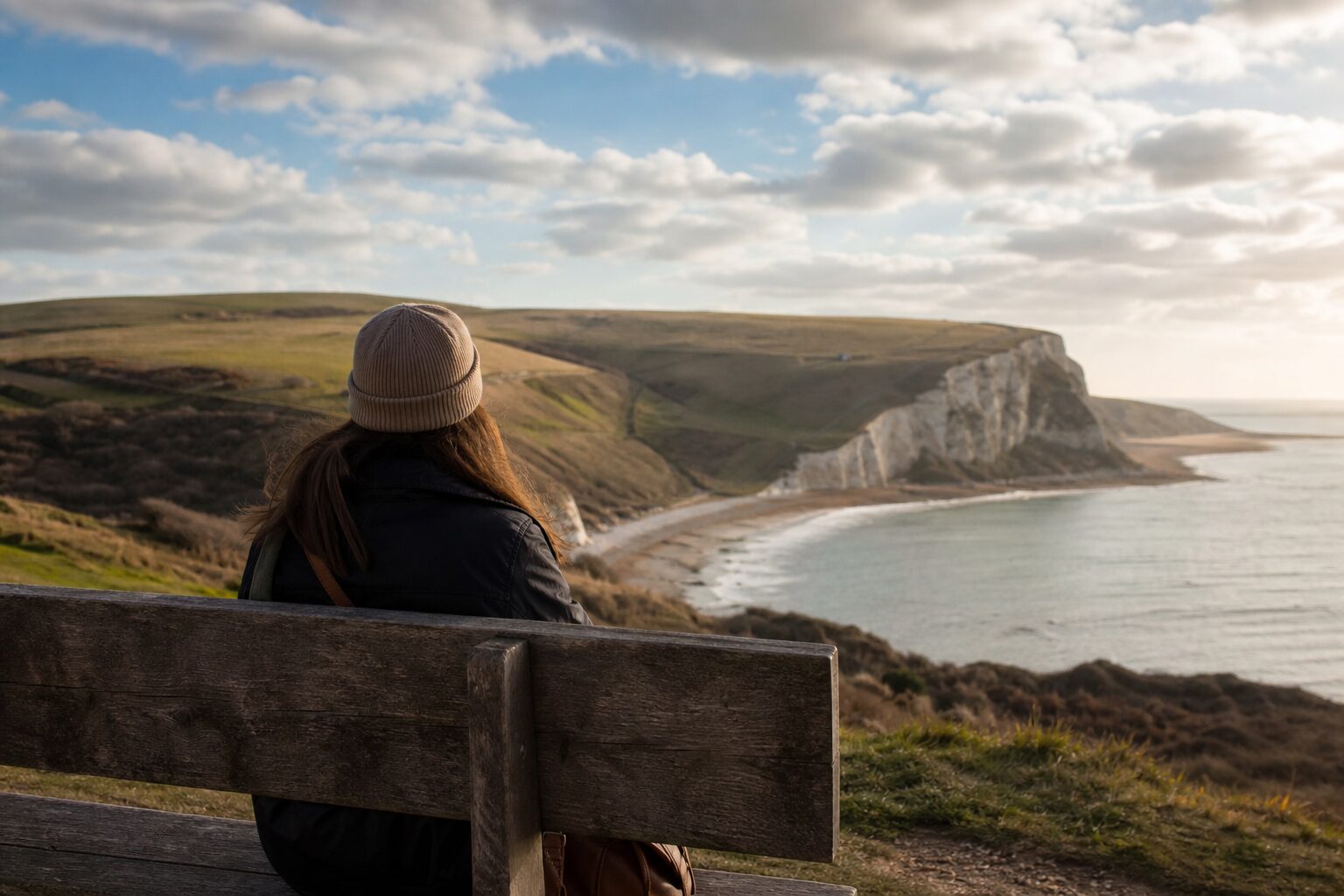

A day alone can be more than a gap in the diary. For busy professionals, business travellers and anyone managing a demanding schedule, knowing how to turn a solo day out into something memorable can bring clarity, confidence and a welcome change of pace. The key is not to fill every hour. It is to shape the day with intention, comfort and a few small details that make it feel personal.
How to turn a solo day out into something memorable with a clear purpose
A memorable solo day starts before you leave the door. It helps to decide what the day is for. Is it about rest, curiosity, creative thinking, quiet celebration or simply a break from routine? The answer will guide everything else, from where you go to how much you plan.
For B2B audiences, this matters because time away from the office is often treated as either productive or wasted. In reality, a well-designed solo day can support better thinking. It gives you space to notice what is working, what feels stale and what you need more of.
A useful purpose does not need to be grand. It could be:
- To explore a new part of a familiar city without work pressure.
- To reflect on a recent project while walking somewhere calm.
- To enjoy a meal, exhibition or view without needing to compromise.
- To recover energy after a busy conference, pitch or travel week.
Once the purpose is clear, the day becomes easier to enjoy. You are not waiting for something impressive to happen. You are giving the experience a frame.
Plan lightly, but protect the shape of the day
Too much structure can make a solo day feel like another working schedule. Too little can leave you drifting, checking your phone and wondering what to do next. The best approach sits in the middle: plan a loose route, then leave room for discovery.
Choose one main anchor for the day. That might be a gallery, a coastal walk, a market, a bookshop, a museum, a cinema matinee or a long lunch. Around that anchor, add gentle edges: a coffee stop, a quiet place to sit, or a scenic route between two points.
Build in unhurried moments
Memories often come from small pauses, not packed itineraries. Sitting with a notebook, watching a street performer, browsing without rushing or taking a longer route through a park can make the day feel richer.
If the day is linked to business travel, these pauses are especially useful. They create a buffer between meetings and home life. They also help separate your own experience of a place from the formal purpose that brought you there.
Reduce friction before you go
A little preparation prevents minor annoyances from taking over. Check opening times, travel options, weather and any access needs. If you are carrying work equipment, think about where it will be comfortable and safe. Choose footwear that suits the day, not just the meeting that came before it.
Simple preparation might include:
- Saving a map area or route in case signal is poor.
- Carrying a portable charger, water and a small snack.
- Booking only the parts that genuinely need booking.
- Choosing one indoor alternative if the weather changes.
The aim is not to control everything. It is to remove the predictable obstacles, so the day can feel easy.
Make the experience personal, not performative
Solo days can be quietly rewarding because they do not need to impress anyone else. There is no group decision-making, no networking pressure and no need to justify your pace. This is the chance to follow your own interest, even if it seems small.
A memorable day might involve a niche museum, a long browse in a specialist shop, a train journey for the view, or time spent reading in a hotel lounge. What matters is that it feels chosen.
It can help to avoid designing the day around social media. Photographs are a lovely way to remember things, but the best moments may not be the most shareable. A good meal eaten slowly, a conversation with a shop owner, or a quiet bench in afternoon light can matter more than a dramatic image.
For professionals who spend much of the week presenting, persuading or managing others, this shift can feel refreshing. The solo day becomes private, not performative. That privacy is part of its value.
Use the day to reset your thinking
A solo day out is not the same as a strategy session, but it can improve the quality of your thinking. A change of setting helps loosen fixed patterns. Walking, observing and moving through different spaces can make problems feel less crowded.
If a work issue keeps returning to mind, give it a defined place in the day. You might reflect on it during a walk, then leave it alone during lunch. This keeps the day from becoming unpaid overtime, while still giving useful thoughts somewhere to land.
Carrying a small notebook can be helpful. Write down observations, ideas or phrases, but do not turn the outing into a productivity exercise. A few honest notes are enough. You may notice themes: what energises you, what you avoid, or what you want to simplify.
The best reset often comes from contrast. If your working life is loud, choose somewhere calm. If it is screen-heavy, pick something tactile or outdoors. If your days are tightly scheduled, allow open time. Contrast makes the experience more memorable because it meets a real need.
Add one small ritual to make it stick
Memories become stronger when they have a beginning or ending marker. A solo day benefits from a small ritual that signals, “This matters.” It does not need to be expensive or unusual.
You might start the day with a proper breakfast rather than a rushed coffee. You might buy a postcard, keep a ticket, choose a particular scent, or end with a short note about what you enjoyed. If you travel often for work, repeating a personal ritual in different places can make each trip feel less anonymous.
Food can also create a strong memory. Eating alone in public may feel awkward at first, but it can become one of the best parts of the day. Choose a place where you will feel comfortable: a counter seat, a café with window tables, a hotel restaurant, or a relaxed pub. Bring a book if you like, but let yourself look around too.
The ritual should be modest and repeatable. Its role is to give the day texture, not to turn it into a performance.
Frequently Asked Questions
Is a solo day out suitable during a business trip?
Yes, if your schedule allows it and you respect work commitments. A solo day can make business travel feel more balanced, especially when meetings are intense or travel is tiring.
How much should I plan before a solo day out?
Plan enough to feel comfortable, but not so much that the day becomes rigid. One main activity, a loose route and a backup option are usually enough.
What if I feel awkward spending the day alone?
Feeling awkward is common at first, particularly in restaurants or busy public spaces. It usually fades once you focus on the experience rather than how you appear.
How can I make a low-cost solo day memorable?
Use attention instead of expense. A thoughtful walk, a library visit, a market browse, a packed lunch somewhere scenic or a free exhibition can all feel special.
Should I use the day for work reflection?
You can, but keep boundaries clear. Short reflection can be useful, while constant email checking will make the day feel like ordinary work in a different location.