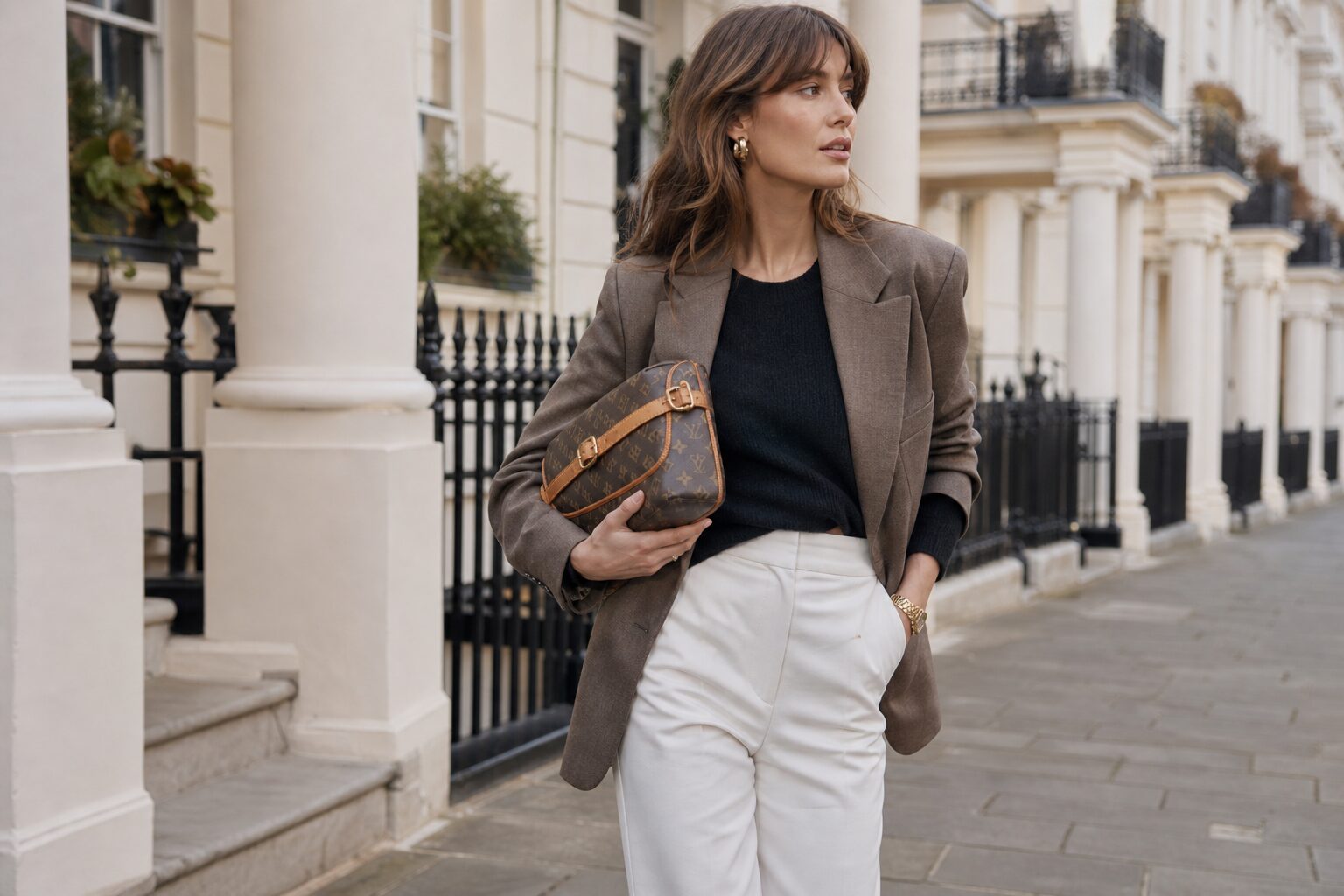

Knowing How to Mix Vintage Designer Pieces with Modern Fashion is increasingly useful for fashion retailers, stylists, buyers, costume teams and brand editors. Vintage designer items add character, scarcity and craft, while modern fashion brings fit, comfort and current relevance. The skill lies in making both feel intentional, not mismatched. For B2B fashion settings, the aim is not only personal style; it is also about building credible looks, memorable edits and commercially appealing stories.
Why Vintage and Modern Fashion Work Well Together
Vintage designer pieces often carry strong design codes: distinctive tailoring, unusual hardware, quality fabrics or recognisable silhouettes. Modern fashion, by contrast, tends to reflect current lifestyle needs, including easier layering, technical materials, relaxed cuts and inclusive styling.
When combined well, the result feels richer than a head-to-toe new-season look. A vintage jacket can sharpen a simple modern dress. Contemporary wide-leg trousers can make an older silk blouse feel fresh. A modern trainer can make a structured vintage handbag look less formal.
For businesses, this mix supports several practical goals. It can help create visual variety in merchandising, give styling teams more original content options and add depth to editorial narratives. It also responds to shoppers who want individuality without appearing costume-like.
How to Mix Vintage Designer Pieces with Modern Fashion for B2B Styling
The best approach is to treat vintage as a design asset, not a novelty. Each piece should earn its place in the outfit through colour, proportion, texture or function.
Start with one vintage focal point. This might be a designer blazer, handbag, printed scarf, coat, belt or pair of shoes. Then build around it with modern pieces that give the look ease. If everything is vintage, the styling may feel theatrical. If the vintage item is too hidden, its value is lost.
For retail, shoot styling and showroom appointments, clarity matters. A buyer or client should understand the outfit quickly. The vintage piece should enhance the modern fashion, not compete with every element around it.
A useful rule is to balance one expressive item with two or three quieter pieces. For example, a bold vintage printed blouse can work with modern tailored trousers, simple jewellery and a clean leather loafer. The outfit still has personality, but it remains wearable.
Build a Practical Styling Framework
A consistent framework helps teams make better decisions across rails, campaigns and client edits. It also reduces the risk of vintage pieces looking random in an otherwise modern range.
Use Colour to Create Connection
Colour is one of the easiest ways to join old and new. Pull one shade from a vintage item and repeat it elsewhere in the outfit. A navy detail in a vintage scarf might connect to modern denim. A burgundy handbag may work with a contemporary knit or lipstick tone used in an editorial shoot.
Neutral colours are also powerful. Cream, black, camel, grey and navy can make strong vintage shapes feel calmer. For B2B styling, neutrals often help vintage designer pieces sit more naturally alongside current collections.
Balance Proportion and Silhouette
Many vintage designer pieces were cut for different styling habits. Jackets may have stronger shoulders, skirts may sit higher on the waist and coats may have fuller sleeves. Rather than fighting these shapes, balance them with modern proportions.
A boxy vintage jacket can work well with a slim modern skirt or straight-leg jeans. A fitted vintage cardigan can feel current with relaxed trousers. A long vintage coat may look sharper over a minimal column dress or clean tailoring.
The goal is contrast with control. One dramatic silhouette is usually enough.
Mix Textures with Care
Texture gives outfits depth, especially in photography and merchandising. Vintage leather, tweed, silk, suede or wool can sit beautifully with modern jersey, denim, technical nylon or crisp cotton.
However, too many heavy textures can look dated. Pair a vintage tweed jacket with a modern white T-shirt and tailored trousers. Wear a satin vintage blouse with matte wool or denim. This keeps the outfit visually interesting without becoming fussy.
Practical Pairings That Feel Current
Some combinations are especially reliable for commercial styling. They suit a wide range of customers and can be adapted across seasons.
- Vintage designer blazer with modern denim: A strong blazer adds polish, while denim keeps the look relaxed and relevant.
- Vintage silk scarf with a contemporary trench coat: The scarf brings colour and heritage, while the trench supplies modern structure.
- Vintage handbag with a minimalist dress: The bag becomes the feature, especially if the dress has a clean shape.
- Vintage coat with modern trainers: This pairing softens formality and works well for urban styling.
- Vintage belt with modern tailoring: A distinctive buckle can define the waist and add a point of interest.
For B2B use, these pairings are also easy to communicate in product descriptions, styling notes and visual merchandising guides. They show customers how a special item fits into an everyday wardrobe.
Sourcing, Condition and Brand Presentation
Vintage designer pieces need careful handling in a business context. Condition should be assessed honestly, especially when the item is used for resale, rental, styling or display. Wear may add character, but damage should not be disguised.
Check seams, linings, fastenings, leather corners, odour, labels and alterations. If a piece has been repaired, that information should be clear where relevant. Authenticity should be treated seriously, particularly with handbags, jewellery, belts and recognisable logo items.
Presentation also matters. A vintage piece can lose impact if it appears tired. Steaming, appropriate storage and thoughtful display help it sit confidently beside modern fashion. Avoid overloading rails with too many eras, colours or prints. A focused edit feels more premium.
Common Mistakes to Avoid
The most common error is making the vintage piece do too much work. A rare designer item still needs context. Without modern styling, it can feel like archive display rather than fashion.
Another mistake is ignoring fit. A vintage garment may be beautifully made, but if the shoulder, waist or length feels wrong, the full outfit suffers. Minor tailoring can make a significant difference, provided it does not damage the integrity of the piece.
Avoid styling that relies only on nostalgia. References to past decades can be useful, but modern customers usually want relevance. A vintage designer skirt, for instance, may feel stronger with a current knit and simple boots than with a fully period-inspired outfit.
Finally, do not mix too many logos. A vintage logo bag, modern branded belt and statement designer shoe can compete. One clear brand signal is often more elegant.
Frequently Asked Questions
Can vintage designer pieces work in a modern retail environment?
Yes, they can work very well when edited carefully and styled with current silhouettes. The key is to present vintage as part of a relevant wardrobe, not as a separate costume category.
How many vintage items should be used in one outfit?
One strong vintage piece is often enough for commercial styling. Two can work if they share colour, mood or proportion, but too many may reduce clarity and wearability.
Are vintage designer accessories easier to style than clothing?
Usually, yes. Bags, scarves, belts and jewellery are flexible because sizing is less restrictive. They can add personality to modern outfits without changing the overall fit or silhouette.
How should businesses describe mixed vintage and modern looks?
Descriptions should be clear, specific and practical. Mention the role of the vintage piece, the modern styling balance and any relevant condition details without over-romanticising the item.
Is it better to follow trends or focus on timeless styling?
A balanced approach works best. Trends can make vintage feel current, but timeless styling gives the look longer commercial value and helps customers understand how to wear it repeatedly.