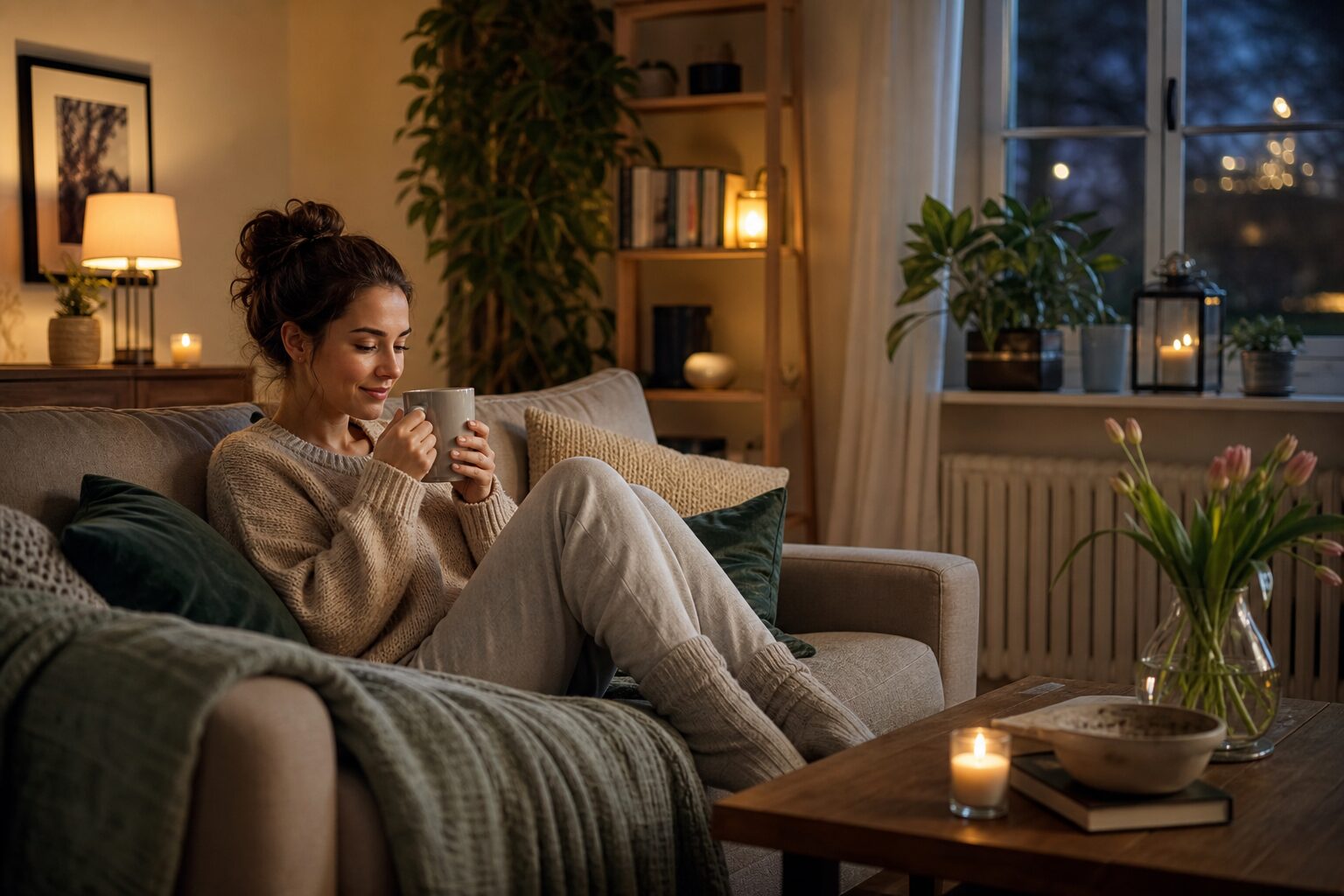

Knowing how to make an ordinary evening feel more special is useful in many business settings, from hosting colleagues after a long conference day to creating a calmer routine after work. A memorable evening does not need a large budget, a formal venue or an impressive guest list. Often, it comes from intention: the right lighting, considered food, relaxed conversation and a sense that the time has been shaped with care.
Why small evening upgrades matter in business life
Modern working days can feel crowded with meetings, messages and decisions. By the evening, people often want ease rather than more performance. For business leaders, event organisers and workplace teams, this matters. A thoughtful evening can support better relationships, softer networking and stronger team culture.
Small details also make people feel noticed. A quiet corner after a workshop, a warm meal after a client visit or a well-planned social moment after training can shift the mood. The evening becomes more than “time after work”. It becomes a shared pause.
From an editorial point of view, the strongest experiences usually have a clear story. They begin with a mood, build through details and leave people with something simple to remember.
How to make an ordinary evening feel more special without overspending
The most effective changes are often practical, not expensive. The aim is not to create luxury for its own sake. It is to make the evening feel considered, comfortable and slightly removed from routine.
Start by choosing one clear intention
Before planning food, music or setting, decide what the evening is for. Is it meant to help a team unwind, thank a client, welcome a partner or simply create a calmer end to a busy day?
One clear intention keeps the details focused. A relaxed team evening may need informal seating and easy food. A client dinner may need a quieter atmosphere and smoother pacing. A post-event gathering may need drinks, light snacks and enough space for people to move around.
When the purpose is clear, even simple choices feel more confident.
Use sensory details to change the mood
An ordinary space can feel different when the senses are gently considered. Lighting, sound, scent, texture and taste all influence how people behave and remember an evening.
Useful details include:
- Warm lamps or candles instead of bright overhead lighting.
- A calm playlist that supports conversation rather than competing with it.
- Fresh flowers, greenery or a clean table setting for visual softness.
- Cloth napkins, proper glassware or small place cards for a polished feel.
- A simple dessert, cheeseboard or hot drink served at the right moment.
These touches are not about showing off. They help people settle, talk and feel that the evening has been designed rather than left to chance.
Ideas for teams, clients and professional settings
In B2B environments, special evenings often need to balance warmth with professionalism. The best approach is relaxed but structured. People should feel free to talk naturally, while still understanding the shape of the evening.
For a team, a special evening might include shared food, short informal recognition and a comfortable setting away from desks. For clients, it may involve a carefully timed dinner, thoughtful seating and conversation that is not entirely work-led. For partners or suppliers, it could be a small reception with clear hosting and unhurried introductions.
Avoid making the evening feel like another meeting. Long speeches, heavy branding and packed agendas can flatten the atmosphere. A brief welcome is often enough. After that, let the setting and hospitality do their work.
Inclusivity is also important. Consider dietary needs, alcohol-free options, transport links, accessibility and cultural preferences. An evening feels more special when guests are not forced to ask for basic consideration.
At-home rituals that still feel refined
For many professionals, the ordinary evening happens at home after a demanding day. Making it feel special does not require elaborate planning. It can be as simple as creating a boundary between work time and personal time.
A change of clothes, a cleared table or ten minutes without screens can mark the shift. Cooking something modest but well presented can feel more rewarding than ordering food in a rush. Even reheated soup feels different in a proper bowl, with good bread and a calm place to sit.
For remote workers and business owners, these rituals can be especially valuable. When home and work share the same space, the evening needs a signal. Music, lighting and a short routine can help the mind understand that the working day has closed.
Common mistakes to avoid
Trying too hard is one of the easiest ways to make an evening feel awkward. Special does not mean complicated. Too many courses, too much decoration or too much structure can make guests feel managed rather than welcomed.
Another mistake is ignoring pace. A good evening has room to breathe. People need time to arrive, talk, eat and leave without feeling hurried. This is true in a boardroom dinner, a private dining room or a kitchen at home.
Finally, do not rely only on appearance. A beautiful table matters less if the room is too noisy, the food is unsuitable or the host seems distracted. The strongest evenings combine comfort, attention and ease.
Frequently Asked Questions
How can I make a weekday evening feel special after work?
Keep the plan simple and realistic. Change the lighting, put away work devices, prepare an easy meal and choose one enjoyable detail, such as music or dessert.
What makes an evening feel special in a business setting?
A business evening feels special when guests are comfortable, the purpose is clear, and the host has considered timing, food, seating and atmosphere.
Do I need a large budget to create a memorable evening?
No. Small choices, such as warm lighting, thoughtful refreshments and relaxed conversation, often make more impact than expensive extras or formal decoration.
How can teams enjoy an evening together without it feeling forced?
Keep the format informal, avoid long speeches, offer varied food and allow people enough space to talk naturally in smaller groups.
What should I avoid when planning a special evening?
Avoid overplanning, loud environments, unsuitable food, poor timing and anything that makes guests feel pressured rather than genuinely welcomed.