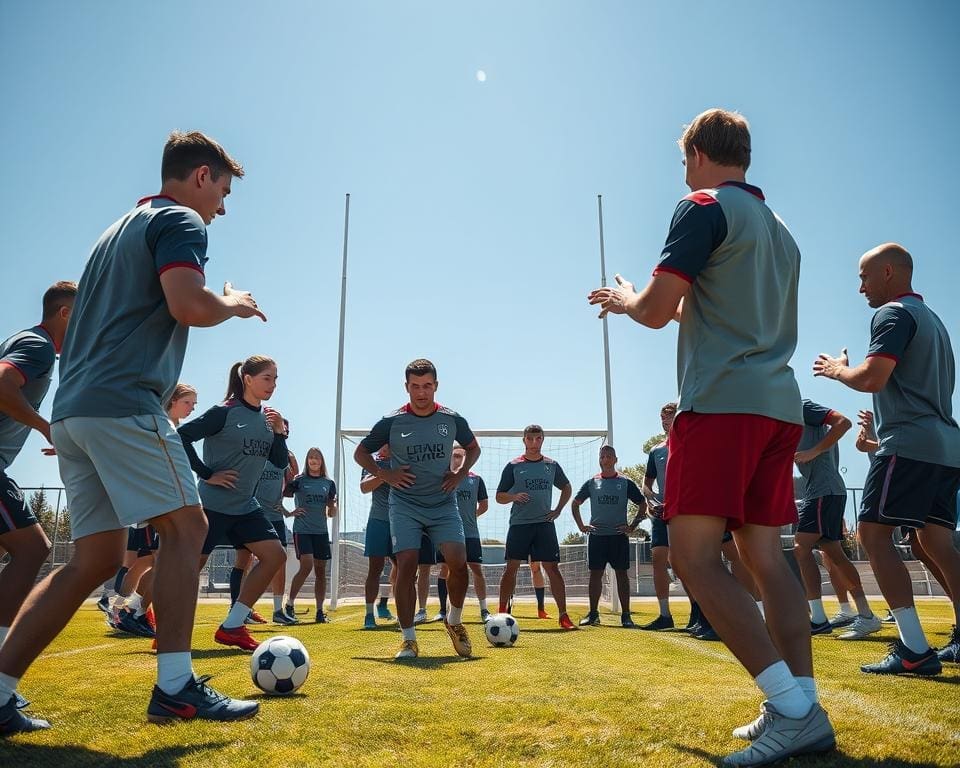
Football training serves as a powerful catalyst for enhancing teamwork skills among players. Within the structured environment of a training session, individuals not only hone their athletic abilities but also develop essential interpersonal skills that are vital for effective team collaboration. Research shows that consistent practice in football fosters qualities such as communication, trust, and unity on the pitch, enabling players to work harmoniously towards a shared objective. By focusing on drills and strategies that promote cooperation, football training is instrumental in helping teams improve teamwork and achieve collective success.
The Importance of Teamwork in Football
In football, the significance of teamwork cannot be overstated. Players must unite to achieve a common aim, fostering not just individual skills but enhancing overall team dynamics. Understanding the collective goal allows each member to contribute effectively, creating a shared vision that propels the team forward.
Understanding the Collective Goal
The collective goal serves as the team’s compass, guiding every practice and match. When players are aligned with this objective, it cultivates a stronger sense of purpose. This alignment leads to a more cohesive structure on the pitch, where cooperation is key. Whether it’s striking a winning goal or executing a defensive strategy, each play hinges on teamwork.
The Role of Trust Among Players
Trust in football plays a crucial role in the success of any team. Players rely on one another to execute strategies seamlessly. A solid foundation of trust enhances team dynamics, leading to improved performance under pressure. As players build relationships grounded in trust, resilience naturally follows. This mutual reliance becomes evident in every pass, tackle, and goal celebration.
How does football training improve teamwork skills?
Football training encompasses a variety of methods designed to enhance teamwork. Certain drills can significantly benefit players by encouraging collaborative efforts and effective communication, shaping a well-coordinated unit on the pitch. These activities not only develop skills but also nurture relationships that contribute to overall team morale.
Drills That Foster Collaboration
Collaboration drills are pivotal in reinforcing the bond among players. Activities such as small-sided games and possession drills encourage participants to work closely with each other. For instance, the Rondo drill exemplifies teamwork enhancement as players must maintain possession while actively engaging their teammates. Such exercises not only improve individual skills but also instil a sense of unity, driving players towards shared objectives.
Game Strategies Promoting Unity
Incorporating team strategies during training sessions promotes a deeper understanding of collective goals. Discussing tactics and roles empowers players, ensuring everyone knows their contributions to the team’s success. As players become more aware of their responsibilities, they learn to rely on one another, ultimately fostering cooperation. The resulting football training benefits are evident as players develop synergy, leading to a stronger, more cohesive team.
Building Communication through Training
Effective communication in football is crucial for success on the pitch. Training sessions present an excellent opportunity for players to develop both verbal and non-verbal cues that enhance their understanding of one another. In matches, these cues can significantly influence a team’s performance, making it essential for players to master them during practice.
Verbal and Non-Verbal Cues
Verbal cues, such as calling for the ball or alerting teammates about their presence, play a pivotal role in facilitating quick decisions. Non-verbal communication, through gestures and positioning, conveys vital information without uttering a word. Players who consistently apply these techniques create a seamless flow of information, leading to improved teamwork dialogue. Observing successful teams illustrates how well-developed signalling systems lead to effective communication in football, allowing them to anticipate each other’s movements and intentions.
Encouraging Open Dialogue on the Pitch
Encouraging an open dialogue among players fosters a supportive environment where ideas and concerns can be shared freely. This openness not only enhances understanding but also strengthens relationships, allowing teams to build a cohesive unit. Coaches can implement strategies during training to create an atmosphere where players feel comfortable expressing themselves. By prioritising communication, teams can cultivate collective intelligence, leading to superior on-field performance.
The Impact of Shared Goals on Team Cohesion
Establishing shared goals lays the foundation for strong team cohesion within football squads. When players come together to set targets, they experience a sense of unity that transcends individual interests. This collective effort fosters a team environment where everyone is motivated to contribute towards a common objective.
Setting Targets Together
Target setting acts as a catalyst for enhancing team cohesion. By defining clear, achievable objectives, players can align their minds and actions. Engaging in collaborative discussions not only clarifies expectations but also empowers each member to take ownership of their role. This shared commitment significantly elevates the overall team spirit, making every player feel integral to the journey.
Celebrating Achievements as a Team
Team celebrations play an essential role in reinforcing the bonds formed through shared goals. Recognising achievements, whether significant victories or minor milestones, cultivates a culture of appreciation. Such moments of joy not only lift morale but also create lasting memories that strengthen relationships. The sense of belonging developed during these celebrations deepens team cohesion, making every player feel valued and connected.
Developing Conflict Resolution Skills
Football training presents a unique environment where conflict and team disagreements can arise frequently. To navigate these tensions, players must become adept at conflict resolution. A positive approach to disagreement not only enhances interpersonal relationships but also strengthens team morale.
Handling Disagreements Constructively
Constructive handling of disagreements starts with establishing an atmosphere of mutual respect. Encouraging players to express their perspectives allows for an open dialogue where solutions can be collaboratively explored. Conflict resolution strategies from organisational psychology can serve as effective tools in addressing differences. By emphasising active listening and empathy, teams can convert disputes into opportunities for growth.
Encouraging Mediation Among Players
Player mediation is pivotal for fostering accountability within the team. Promoting a culture where teammates support one another in resolving disputes cultivates solidarity and trust. This approach not only resolves the current conflict but also builds stronger relationships for future challenges. By equipping players with conflict resolution skills, teams can transform potential disagreements into valuable lessons in communication and collaboration.
Benefits of Team-Building Activities Outside Training
Engaging in team-building activities outside the usual training environment plays a crucial role in building lasting bonds among players. These experiences help cultivate relationships off the pitch, allowing teammates to connect on a personal level. As players spend time together in informal settings, a supportive atmosphere develops, enriching the overall dynamics of the team.
Fostering Relationships Beyond the Pitch
Participating in social events, such as team outings or community service projects, greatly influences team cohesion. Through interactions outside the competitive atmosphere, players discover shared interests and values, creating a deeper sense of camaraderie. The strength of these connections promotes a more unified front during matches, enhancing the overall performance.
Enhancing Team Spirit through Social Events
Organising team-building activities helps boost team spirit, reinforcing the idea that success extends beyond mere competition. Celebrating achievements collectively, whether in casual gatherings or formal recognitions, heightens the sense of belonging. Stronger relationships off the pitch lead to greater resilience during challenging moments on the field, fostering a culture of support and motivation.
Measuring the Improvement in Team Dynamics
In the world of football, understanding and measuring team dynamics is essential to gauge the improvement in teamwork fostered through training. Coaches and analysts can employ various methodologies, such as player feedback and team assessments, to keep track of how well players collaborate on and off the pitch. This feedback loop not only provides insights into individual contributions but also highlights collective achievements, reinforcing the importance of cohesive teamwork.
Performance evaluations often include statistical indicators like win rates and assist records, which can effectively reflect improvements in teamwork. When a team exemplifies unity and synchronisation, it typically translates into better match outcomes and a stronger presence in leagues. By analysing these performance metrics, coaches can identify specific areas for enhancement, ensuring that training methodologies evolve in response to the needs of the players.
Moreover, team surveys focused on interpersonal relationships and communication effectiveness add another layer to measuring team dynamics. These evaluations help uncover the underlying sentiments in a squad, allowing for constructive discussions and the opportunity to address any challenges. In essence, the continual measurement of improvement in teamwork not only aids in developing a more effective team strategy but also nurtures an environment where players feel valued, understood, and motivated to strive for excellence together.