
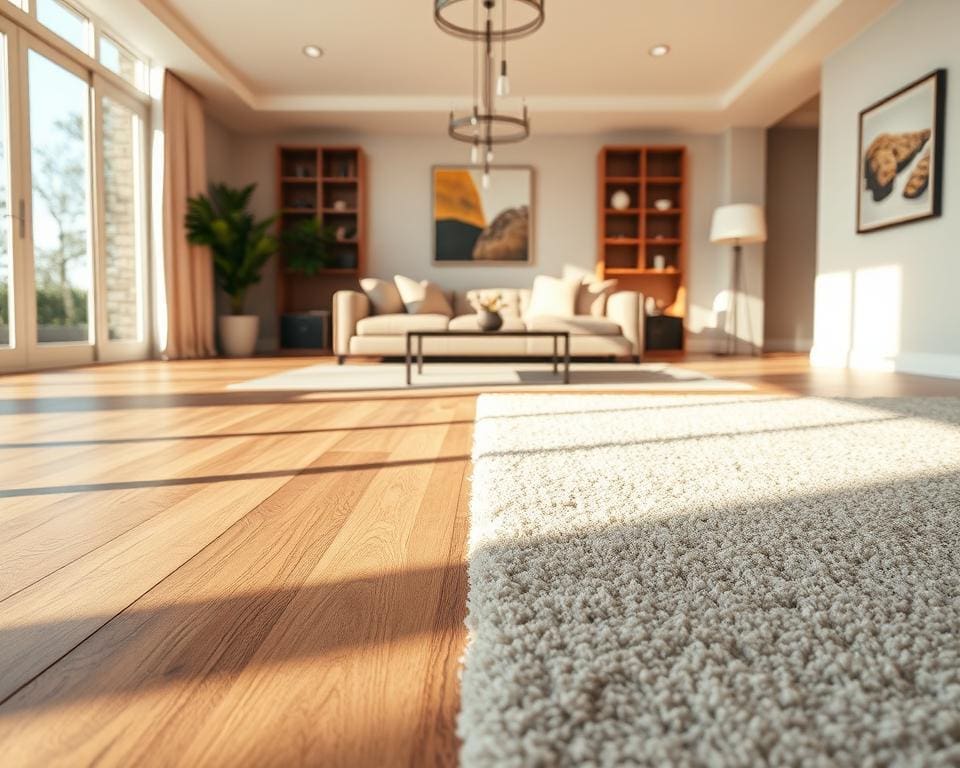
Flooring is the silent anchor of any interior. In both period terraces and new-build flats across the United Kingdom, the floor sets a visual baseline that shapes colour schemes, textures and furniture choices. Thinking about how flooring choice impacts aesthetics helps homeowners and designers make cohesive decisions that speak to style and function.
The first impression of a room often comes from the floor. Material, tone and pattern immediately signal whether a space feels contemporary, traditional, rustic or luxurious. This floor design influence can lift perceived quality and communicate intent before other details are noticed.
Beyond looks, flooring affects how a room feels underfoot and to the ear. Warm oak suggests comfort and homeliness, while polished porcelain conveys cool sophistication. The aesthetic impact of flooring also includes acoustics and tactile experience, both vital to how people inhabit a space.
Practical needs must sit alongside beauty. Durability, maintenance and traffic patterns guide sensible choices so that attractive finishes endure. In busy hallways, resilient options such as luxury vinyl perform well, while bedrooms often benefit from the softness of carpet.
Current flooring choices UK trends show strong demand for engineered oak and sustainable materials such as responsibly sourced timber and cork, plus high-quality luxury vinyl that convincingly mimics natural stone and wood. Regional character — from Victorian mouldings to minimalist new builds — will shape the best aesthetic direction.
This article will next explore how flooring establishes mood and visual flow, compare popular materials and finish with practical advice to protect your investment and preserve the aesthetic impact of flooring over time.
How does flooring choice impact overall aesthetics?
Flooring sets the tone for a room before furniture or paint do. The right selection shapes mood and flooring in subtle ways, guiding how a space feels and how people move through it. Below are focused points that explain how materials, colour and layout influence atmosphere, flow and the sense of space.
Establishing mood and atmosphere
Colour has a direct effect on flooring atmosphere. Pale oak or light porcelain brightens rooms and feels airy. Dark walnut or slate creates drama and a cosier mood, especially when paired with warm lighting.
Texture and finish change perception. Matte, hand-scraped oak and honed stone read as natural and relaxed. Polished stone or lacquered timber gives a more formal, glamorous scene.
Acoustic and tactile choices matter. Carpet and cork absorb sound and add intimacy. Hard surfaces like tile and timber produce crisper acoustics and a more formal ambience. Underfloor heating boosts perceived comfort on many hard surfaces.
Pattern and grain influence mood. Uniform planks and gentle grain promote tranquillity. Herringbone or bold patterns add energy and visual interest.
Defining style and visual flow
Consistency promotes cohesion. Using the same floor across adjoining rooms encourages a unified look and uninterrupted visual flow flooring creates.
Deliberate changes can define zones. A switch in material or a patterned inlay separates areas without walls, useful in open-plan living.
Scale affects style. Wide planks widen a room and suit minimalist schemes. Narrow strips or small tiles give a period or intricate character.
Transition details are design choices as well as functional. Flush joins, metal trims or shadow gaps either highlight separation or promote continuity. Choose joinery that complements skirting, doors and built-in furniture.
Perceived space and light
Light-coloured and reflective floors increase flooring and room brightness. They bounce natural light and make small rooms feel larger. Dark, matte floors absorb light and can create a snug, intimate feel.
Directionality alters perception. Lengthwise planks extend a room visually. Diagonal or chevron layouts produce depth and movement, changing perceived space floor choices without structural work.
Colour temperature must match lighting. Warm-toned woods pair with warm lamps for an inviting effect. Cool-toned stone and ash timber suit cooler light for a contemporary impression.
Open-plan spaces benefit from subtle variations. The same material with a change in plank direction, finish or rugs can delineate living zones while keeping a cohesive look.
Selecting the right material: comparisons and stylistic effects
Choosing the right floor material sets the tone for a room. This short guide compares common options so you can match look with living habits and budget. Use these pointers when you study flooring material comparison for a clearer decision.
Genuine hardwood from oak, walnut or maple brings natural grain and patina that age beautifully. Engineered boards mirror that warmth while offering greater stability across modern homes. That trade-off is central to any hardwood vs engineered discussion.
Plank width, finish and installation style shape the result. Oiled surfaces emphasise texture and a lived-in feel. Lacquered finishes give a smoother sheen. Herringbone or chevron suits heritage interiors, while wide boards create a contemporary statement.
Consider suppliers such as Woodpecker Flooring and Kahrs when seeking quality engineered options. Choose solid timber for period houses with original joists. Pick engineered for underfloor heating and new builds.
Luxury vinyl and laminate
Modern luxury vinyl flooring UK and high-grade laminates now emulate timber and stone with convincing texture. LVT offers bevels, grout effects and tactile surfaces that read like real materials in photos and close up.
These products cope well with busy households. Water-resistant and often waterproof, they suit kitchens and utility rooms better than some natural options. Popular names to explore include Amtico, Karndean and Moduleo for LVT and Quick-Step for laminate.
Designers use mixed plank lengths, large-format tiles or checker patterns to add interest. Use luxury vinyl flooring UK where resilience and realistic looks are both required.
Stone, tile and porcelain
Natural stone and porcelain deliver a premium finish. Marble shows bold veining, slate provides rustic texture and porcelain can mimic many materials with high uniformity. Focus on stone tile aesthetics when you want a refined, durable floor.
Finish and jointing change perception. Polished surfaces brighten rooms. Honed or textured finishes reduce slip risk. Narrow joints create a seamless look. Contrasting grout highlights pattern and geometry.
Stone and porcelain suit wet zones and pair well with underfloor heating. Brands such as Porcelanosa and Fired Earth often appear on specification lists for high-end projects.
Carpet and soft flooring
Carpet adds warmth, softness and sound control. Pile height, fibre type and colour determine how it wears and feels underfoot. Wool brings natural resilience and a premium touch while synthetics offer stain resistance.
Texture and pattern provide subtle style. Loop piles and textured weaves give depth without loud pattern. Large rugs can anchor seating areas and introduce colour without replacing all-floor coverings.
Focus on carpet flooring design for bedrooms, living rooms and stairs. Invest in a good underlay for comfort and longevity. UK suppliers such as Cormar, Brintons and Crucial Trading offer many natural-fibre options.
Practical considerations that enhance aesthetic longevity
Durability begins with honest assessment of use. Hallways and kitchens need hard-wearing, scratch-resistant surfaces, while spare bedrooms can take more delicate finishes. When choosing durable flooring, match material to traffic patterns and room function to avoid premature wear and costly replacement.
Finish selection and protective coatings matter. Hardwearing lacquers, UV-cured finishes and aluminium oxide coatings extend timber floor life, while sealants and impregnators protect stone and porous tiles. Regular flooring maintenance UK routines — sweeping, vacuuming and manufacturer-recommended cleaners — keep surfaces looking their best and aid in preserving flooring aesthetics.
Installation and subfloor preparation are technical but decisive. A level, dry subfloor with moisture testing prevents cupping and warping; acoustic underlays and vapour barriers are vital in multi-storey flats. Underfloor heating and flooring choices must be compatible: engineered timber, porcelain and luxury vinyl often work well, but always observe maximum surface temperatures in manufacturer guidance.
Sustainability and long-term value should guide specification. Seek FSC-certified timber and recycled-content ranges from brands like Tarkett and Karndean, and favour materials that can be repaired or refinished. Practical steps — rugs in high-traffic zones, felt pads under furniture, prompt spill management and periodic professional servicing such as re-lacquering or re-grouting — will maximise aesthetic lifespan and deliver enduring style across the home.